
SEC Wants to Allow Blockchain as Official Share Register
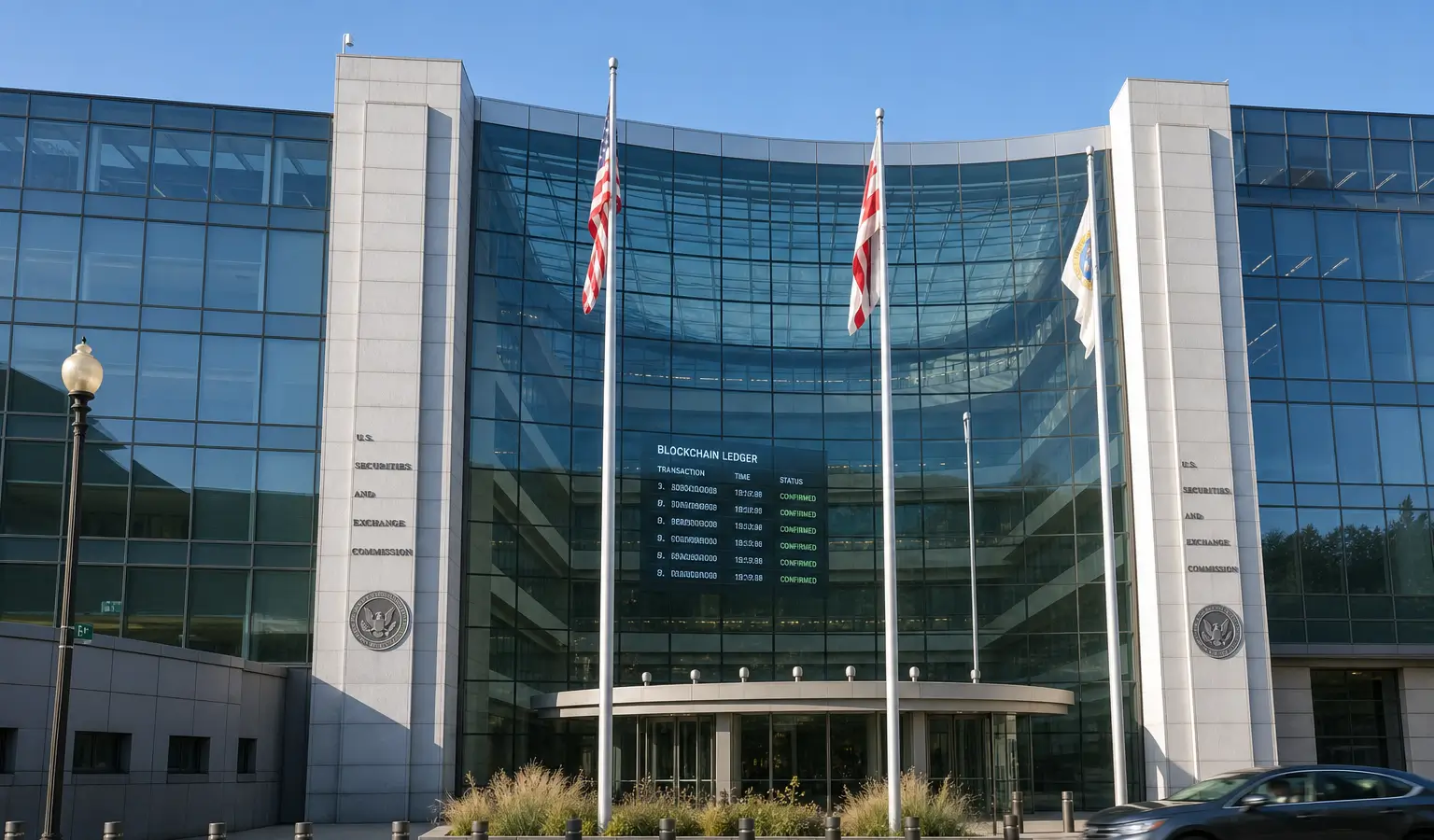
The SEC wants to explicitly allow distributed ledger technology as the official share register for tokenized securities. That could break the current double bookkeeping between on-chain data and off-chain registers.
Key Takeaways
- The U.S. SEC wants to make blockchain ledgers possible as the official share register for tokenized securities.
- That could eliminate the current double bookkeeping between on-chain data and a separate off-chain register.
- The consultation period still runs for 60 days and ends in early November.
The American SEC wants to significantly change the rules for transfer agents so that blockchain ledgers could soon become the official share register for tokenized securities. That would make the double bookkeeping, where on-chain data and a separate off-chain register exist side by side, disappear.
Double Records Under Pressure
With tokenized stocks, there is often a tricky problem at the core of the system right now. The token on the blockchain shows who appears to be the economic owner, but the legal shareholder register is somewhere else. In practice, lawyers therefore still often choose the register outside the blockchain as the controlling document, even when the data on the ledger is more up to date.
The SEC's new proposal wants to change that by explicitly allowing electronic databases, including blockchain ledgers, as the official record of securities ownership. According to Fairmint CEO Joris Delanoue, the blockchain could then grow into the so-called master security file instead of just being a copy of another register. Centrifuge also says this could turn the current two-layer structure into a one-step process.
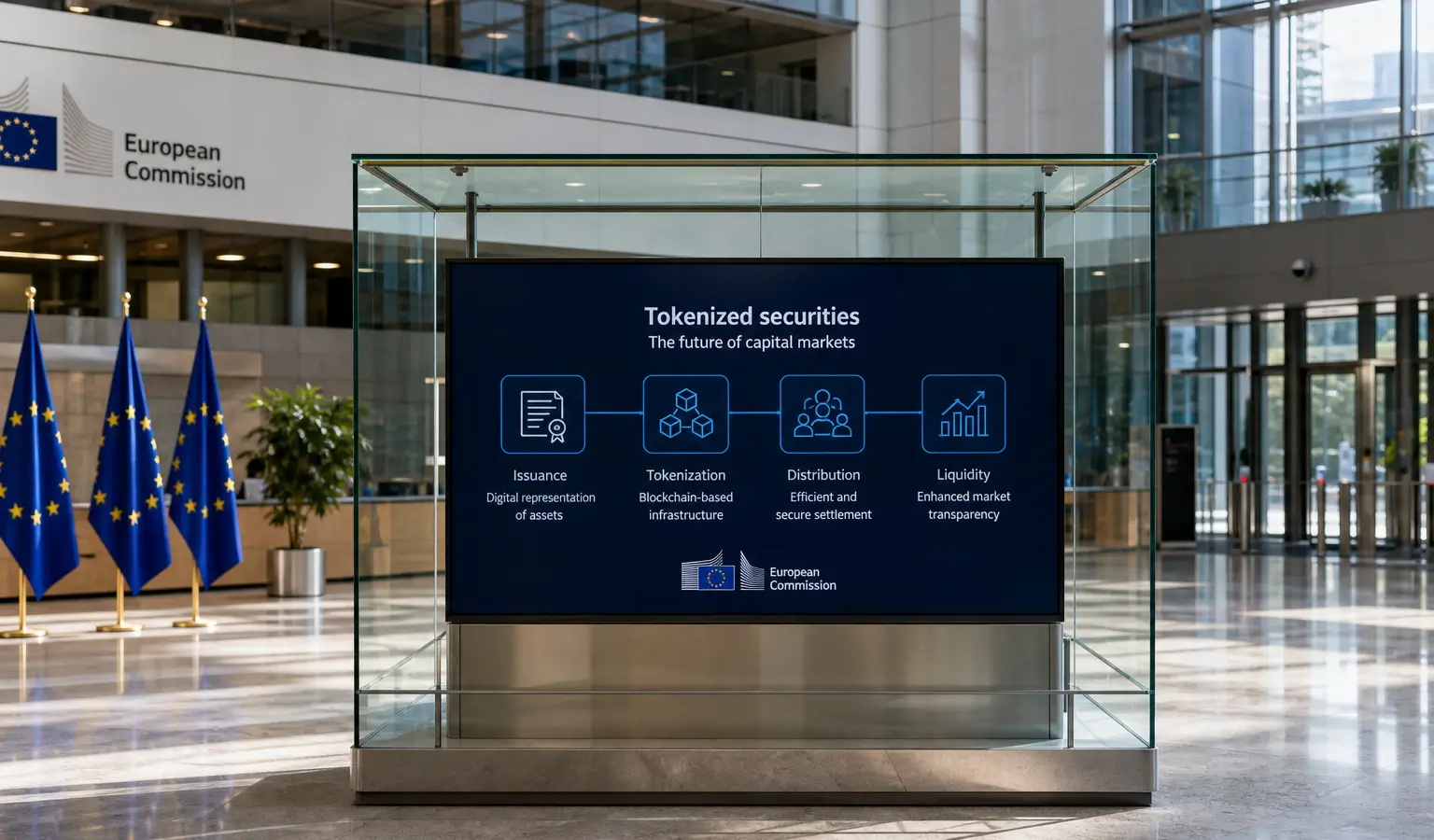
The debate fits into a broader wave of tokenization initiatives. For example, the European industry wants more room for tokenized securities, because a too-tight cap would slow the growth of those markets.
More Than Just Technology
The move matters because tokenized securities often work with two records right now: an on-chain token ledger and an official shareholder register. If the SEC approves this, issuers and transfer agents may have to compare records manually less often after each transfer. That could reduce the chance that the on-chain register shows something different from the legally recognized ownership register.
The SEC also wants to make the rules technology-neutral. That fits a broader modernization of outdated securities rules from the late 1970s, where distributed ledger technology gets an explicit place. The regulator is also attaching extra requirements to that, such as stricter reporting, rules around third-party service providers, and attention to cybersecurity and operational resilience.
Implications for European Readers
For European crypto and fintech followers, this is especially interesting because it shows how far tokenization has already moved toward regulated market infrastructure. If a major regulator like the SEC recognizes blockchain as an official register, that could also affect how other markets look at tokenized securities and the role of transfer agents. The consultation period still runs for 60 days and ends in early November, so the debate is still just getting started.