Clarity Act Stalemate Does Not Immediately Slow Crypto Deals in the US
The Senate defeat delays firm US rules, but the SEC and CFTC are keeping the crypto and tokenization M&A market moving for now.
Key Takeaways
- The Senate rejected the Clarity Act by a vote of 49 to 50, delaying a firm US crypto framework once again.
- Banks and investors do not expect a broad slowdown; deals in more clearly regulated sectors can still move ahead, while unclear token activities remain harder.
- The SEC and CFTC are already taking interim steps, while reported deal value in the first half of 2026 rose to $9.7 billion.
The failed vote on the Clarity Act has once again delayed hopes for firm US crypto rules. Even so, banks and investors do not expect crypto takeovers to suddenly grind to a halt. Instead, they see deals in sectors with clearer rules continuing, while transactions tied to unclear token activities remain more difficult.
Senate Defeat Sets the Tone
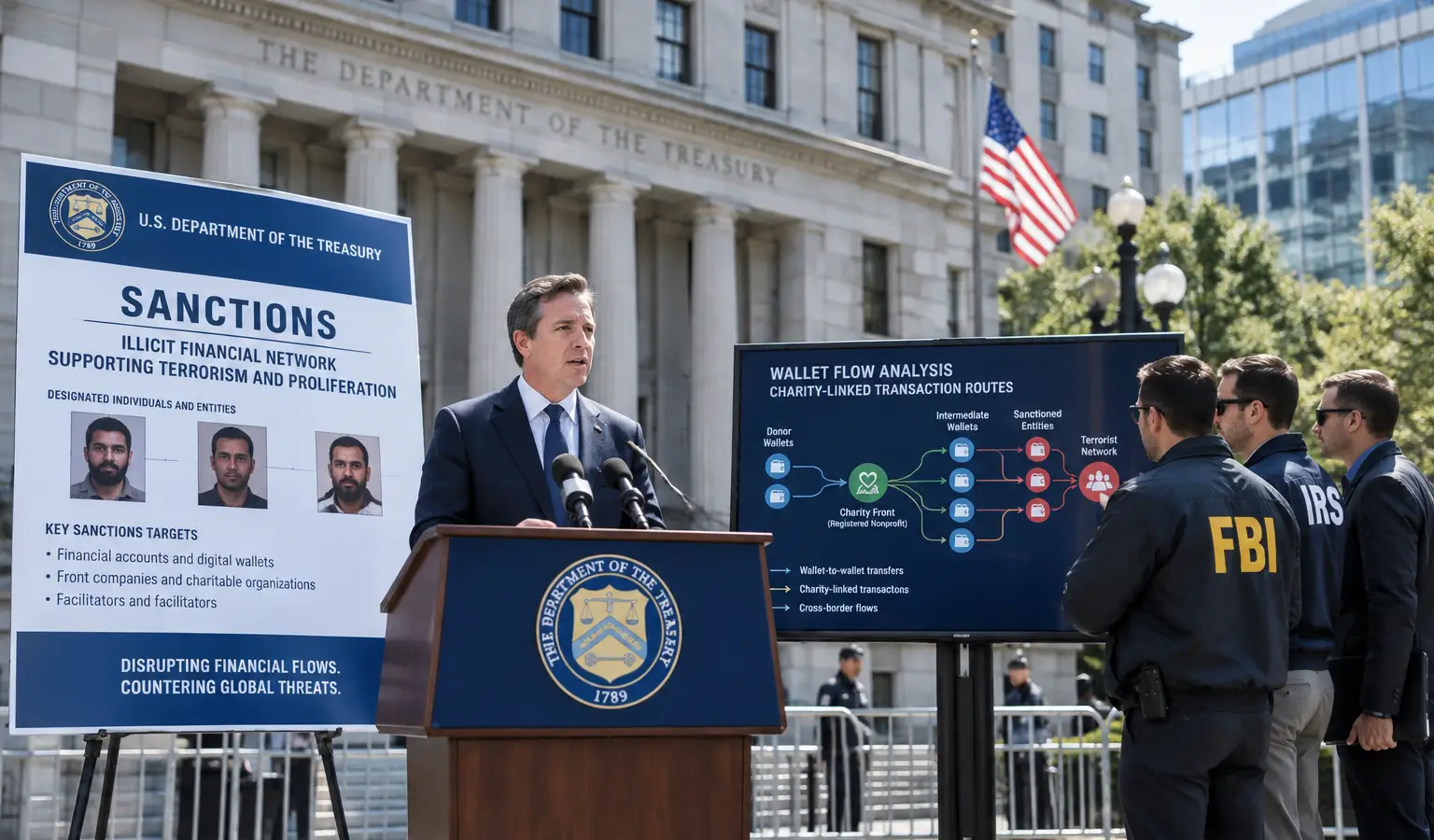
The Clarity Act failed to win a majority in the Senate on September 15. The bill got 49 votes in favor and 50 against, while 60 votes were needed to move forward. Negotiations stalled over ethical restrictions for top officials with crypto interests, including those of President Donald Trump, and over concerns about investor protection and illegal financing.
For the industry, the stakes were high. For years, there had been hope for a fixed US rulebook that would make clear which crypto falls under the SEC and which falls under the CFTC. With that breakthrough still missing, regulators now have to fill in the gaps themselves for the time being.
M&A Keeps Moving Selectively
Still, market players do not expect a broad slowdown. Paul McCaffery of investment bank KBW said the Clarity Act falling short does not change the trend. According to him, the SEC and CFTC are already moving actively to provide more clarity, and that is supporting a new wave of deals in crypto, traditional financial services, and fintech.
That view fits with the regulators' recent steps. Shortly after the vote, the SEC approved a temporary Innovation Exemption for limited trading in tokenized US stocks on certain onchain venues. On October 1, it followed up with a proposal on how investment advisers and funds may hold crypto for clients. The CFTC has also lowered some barriers in the meantime, including around software providers and guidance for tokenized investments and blockchain registration.
The numbers show the market is already moving strongly. In the first half of 2026, reported deal value in the sector reached $9.7 billion (€8.6 billion), up 44% year over year, according to CryptoRank Research. The number of announced acquisitions did fall 8% to 87, which suggests that just a few large transactions are driving the picture.
Kraken parent Payward shows where that interest is focused. The company agreed to acquire payments company Reap for $600 million (€535 million) and derivatives platform Bitnomial for up to $550 million (€490 million). Nasdaq also announced a $100 million (€89.1 million) investment in Payward, along with a broader commercial partnership.
Why This Matters
For European crypto readers, this shows that US regulation still plays a major role in how capital and acquisitions move through the industry. At the same time, the mix of SEC and CFTC steps makes it clear that companies are not only watching Congress, but also regulators that are already working out concrete rules and exemptions. That could matter especially for firms active in tokenization, custody, and other services where legal clarity has an immediate impact.