ICBA Sues OCC Over Crypto Trust Charters
The banking lobby fears that Coinbase, Circle, and other crypto firms are getting access to the banking system through OCC charters without the same capital and oversight requirements as community banks.
Key Takeaways
- The ICBA is suing the OCC because the banking group says it is going too far with national trust charters for crypto firms.
- According to the ICBA, crypto companies are getting access to the banking system without the same capital, liquidity, and oversight requirements as community banks.
- The case fits into a broader debate about oversight of crypto firms and their growing role in the traditional banking system.
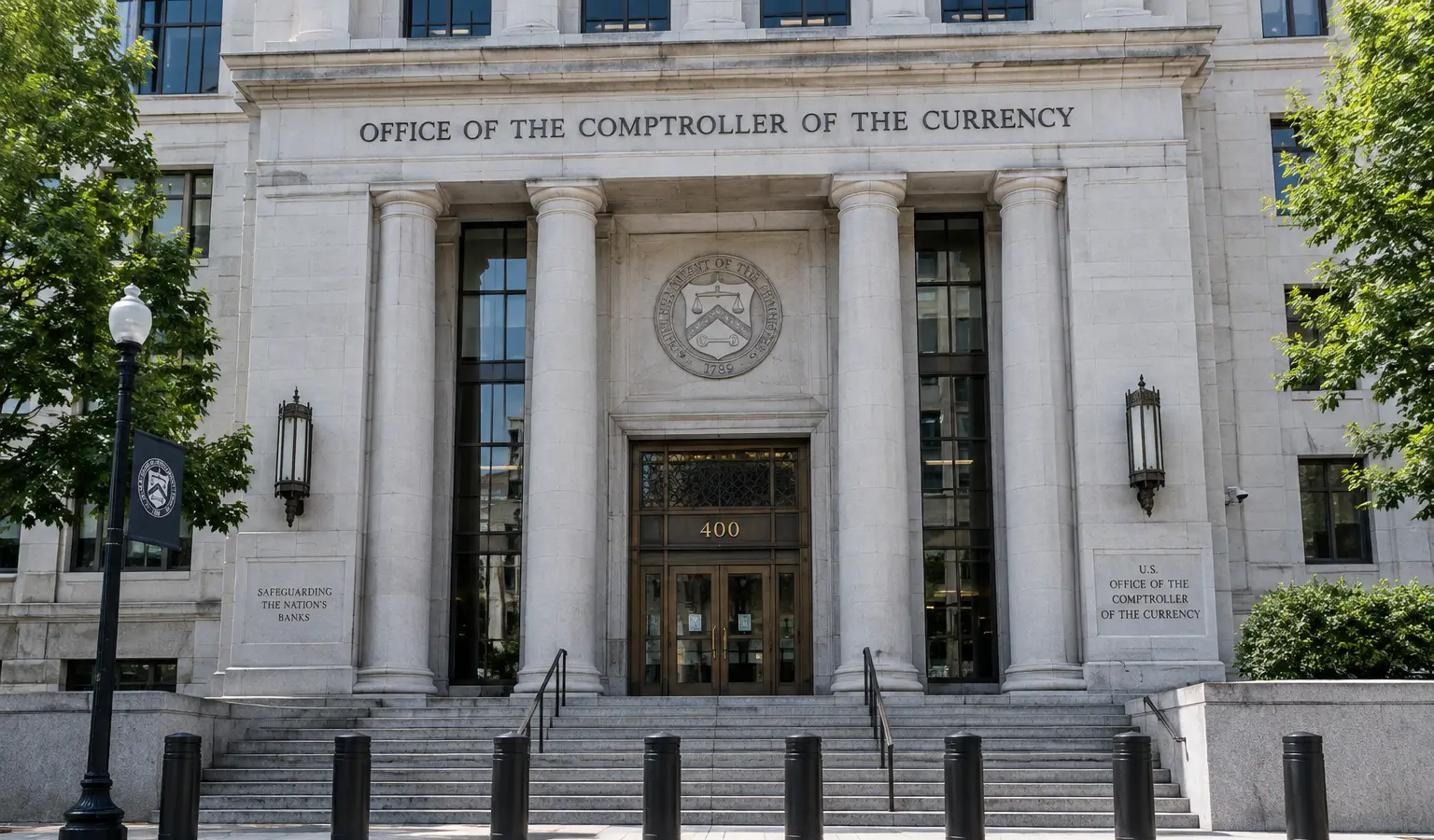
The Independent Community Bankers of America has sued the U.S. regulator OCC because the banking group says it is going too far in handing out national trust charters to crypto firms. According to the ICBA, those companies are getting access to the U.S. banking system through such a charter without facing the same strict rules as community banks.
What the ICBA Is Challenging
The ICBA says the OCC is using these charters to claim “sweeping new powers” that are not allowed under the National Bank Act. According to the group, crypto firms are getting a place in the banking system while not having to meet the same requirements for capital, liquidity, oversight, and FDIC insurance as smaller banks.
The organization, one of the biggest banking lobbies in the U.S., also played a role last month in the pushback against the Digital Asset Market Clarity Act. That bill did not make it through the Senate, partly because of banks' concerns about the stablecoin provisions and direct competition with deposit accounts.
Why Crypto Firms Want This
The OCC has recently granted a series of trust charters to crypto firms. That includes companies like Coinbase, Circle, and Crypto.com, as well as crypto-focused banks like Protego and Erebor. These companies do not offer traditional savings or checking accounts, but they are looking for federal recognition and access to the U.S. financial system.
World Liberty Financial also recently got approval for such a charter. That drew criticism from, among others, Senator Elizabeth Warren, who accused the regulator of enabling conflicts of interest involving President Donald Trump and his family. The OCC itself did not want to comment on the lawsuit in detail to CoinDesk.
Broader Debate Over Oversight
The case fits into a bigger debate about how crypto firms should be regulated in the U.S. Supporters see trust charters as a way to get more clarity and legitimacy. Critics from the traditional banking sector, on the other hand, warn about gaps in oversight and an uneven playing field between banks and crypto companies.
That debate is also playing out around Block's application for an OCC bank license, which is the company’s push for a federally regulated structure for bitcoin custody and stablecoins. For European crypto readers, this matters because U.S. regulators are increasingly deciding how far crypto firms can move toward the traditional banking system. Those decisions can also show how regulators around the world deal with the line between crypto, payments, and banking services.