
Clarity Act Misses July 4 Deadline as Congress Heads Into Recess
The bill is meant to define the SEC and CFTC’s roles, but ethics concerns tied to Trump are complicating talks in Washington.
Key Takeaways
- The Clarity Act is set to miss its July 4 deadline, and a fast breakthrough in Washington looks increasingly unlikely.
- Lawmakers are still working behind the scenes to reconcile the Senate Agriculture Committee and Senate Banking Committee versions of the bill.
- Ethics concerns over Donald Trump’s crypto income are adding political friction and slowing the process.
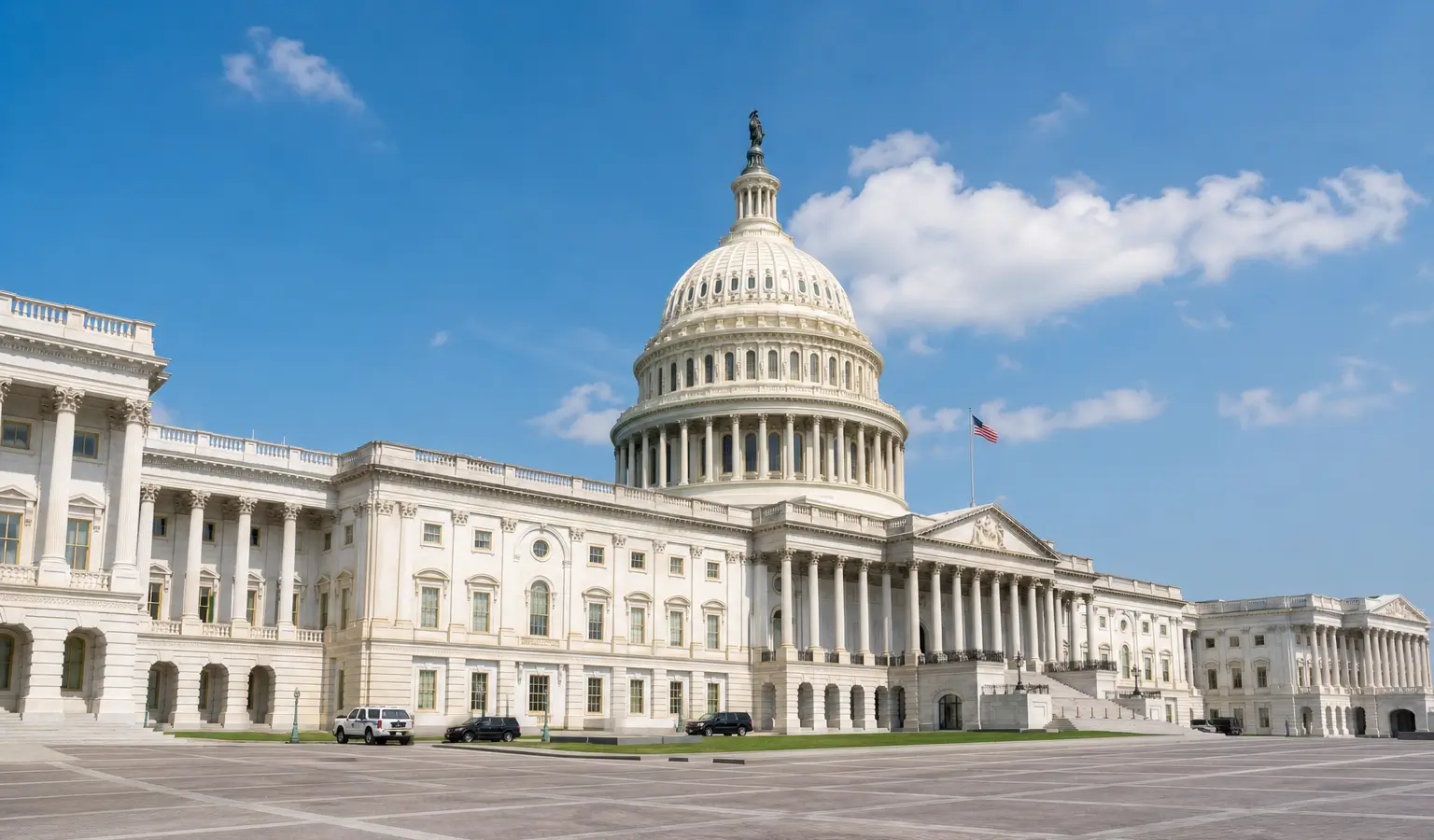
The Clarity Act is no longer on track to meet its July 4 target, and the chances of a quick deal in Washington are slipping as July goes on. Even so, people involved in the talks say the bill is still alive, although the clock is ticking fast before the midterms.
The Bill Has Not Stalled Out Yet
The Clarity Act, formally called the Digital Asset Market Clarity Act of 2025, is designed to create a federal crypto framework in the United States and define where the SEC and the CFTC each have authority. For the crypto industry, that makes it much more than a procedural bill. It is really about which regulator will have the final say over digital assets.
Negotiations are still moving forward behind closed doors, even with Congress in summer recess. People familiar with the discussions say staff are still trying to combine the Senate Agriculture Committee and Senate Banking Committee versions into one package. If that happens, the Senate would only need a few days in session to open debate and hold a vote, though clearing a cloture vote with 60 votes would still be a major challenge.
Ethics Remain a Sensitive Issue
Donald Trump’s latest financial disclosure has raised the political stakes around the bill. The filing showed that he earned about $2 billion in 2025, including an estimated $1.4 billion tied to the crypto industry through royalties, token sales, and other income sources. He also reported more than $100 million in crypto holdings.
Democrats are pointing to that disclosure as they renew calls for an ethics rule in the Clarity Act. Senator Elizabeth Warren wants the bill to bar the president, vice president, senior officials, members of Congress, and their families from profiting from the crypto industry. Senator Ruben Gallego said he would do everything he could to target what he described as Trump’s corrupt crypto activity, even though he had earlier helped move the bill out of committee only after insisting on real, enforceable ethics standards.
People involved in the talks say that kind of compromise is likely one of the last unresolved issues once the different versions are merged. So while the ethics fight does not change the bill’s core purpose, it is making the political negotiations more difficult.
Why This Matters for Europe
For European crypto readers, this is about more than just another U.S. legislative fight. The Clarity Act could help shape how the world’s largest financial market classifies and supervises crypto, with possible spillover effects for global trading platforms, token issuers, and companies that operate in multiple jurisdictions. The fact that the bill is getting bogged down just as summer recess begins is another sign that the U.S. regulatory outlook is still far from settled.