Coinbase CEO Armstrong Pushes Back on Crypto's AI Pivot
Armstrong sees crypto as infrastructure for AI agents, with Coinbase's x402, Base, and USDC as the building blocks for automated payments.

Key Takeaways
- Brian Armstrong rejects the trend of crypto companies trying to position themselves as AI companies.
- Coinbase is working on Agentic Finance with x402, Base, and USDC for automated payments.
- The rise of autonomous agents raises concerns about control, counterparty risk, and machine-speed payments.
Brian Armstrong, the CEO of crypto exchange Coinbase, is pushing back on a growing trend in the industry: crypto companies trying to move past blockchain and rebrand themselves as an AI company. Armstrong argues that framing misses the point. In his view, crypto and AI are not rivals. They can work together as the base layer for a new wave of automation.
No Battle Between Crypto and AI
Armstrong wrote on X on Sunday that the move to pivot from crypto to AI reflects “zero-sum, scarcity thinking.” He said crypto should not be treated as a narrow niche competing with AI, but as general-purpose infrastructure, more like electricity or the internet, that future technology can build on.
That view lines up with a broader shift in the market, where some crypto firms are expanding their story into AI. But the examples emerging from the industry suggest this is about more than branding. It is also about where capital and infrastructure can create the most value.
Coinbase Is Building AiFi
Armstrong said Coinbase is focused on what it calls Agentic Finance, or AiFi. The company is using the x402 protocol, which it built and now places under the x402 Foundation, together with the Base blockchain and Circle Internet's USDC stablecoin to support automated payments. Coinbase introduced AI agent accounts in June that can trade and spend, and last week it said Coinbase Business customers can accept AI agent payments through x402.
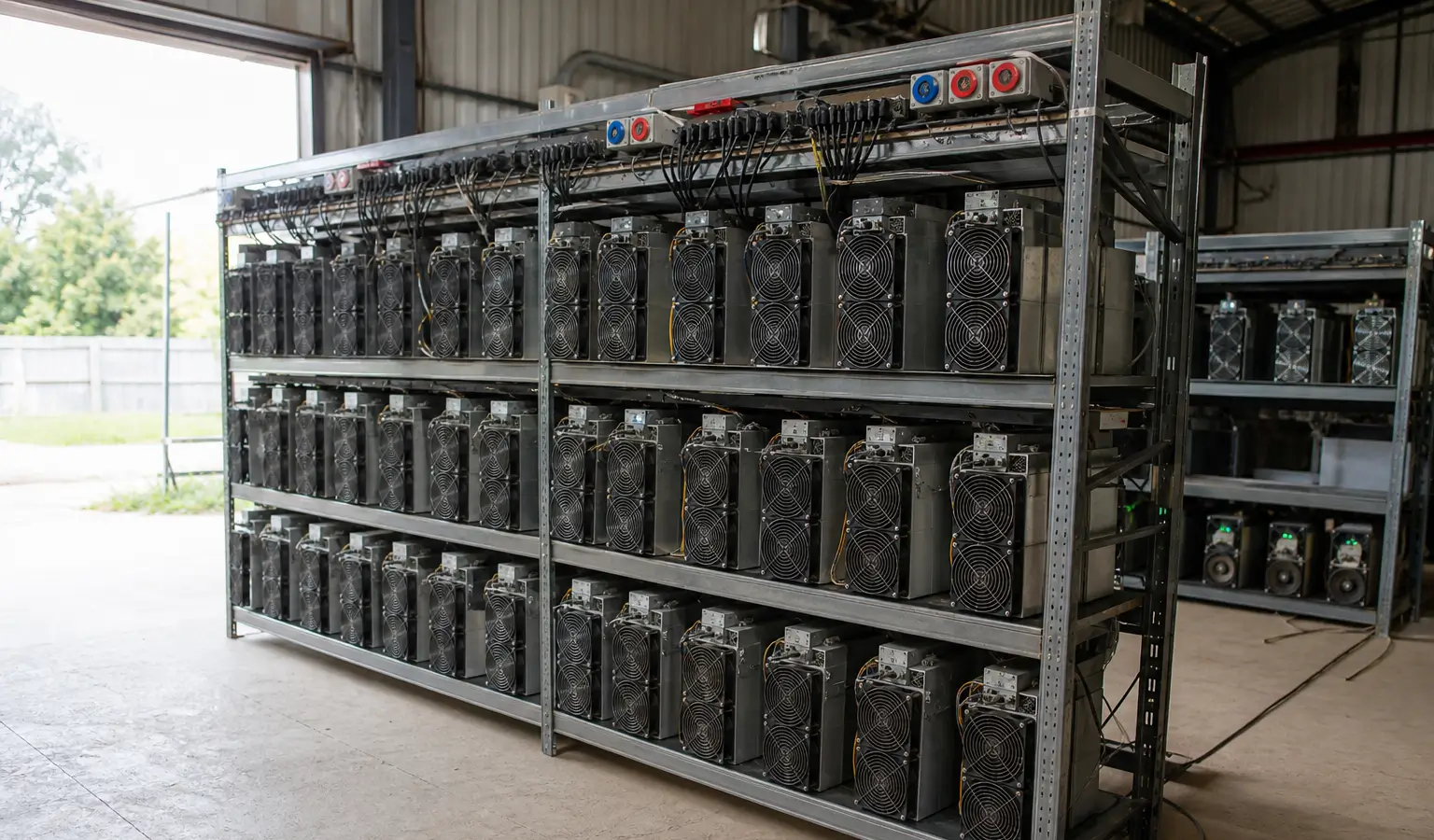
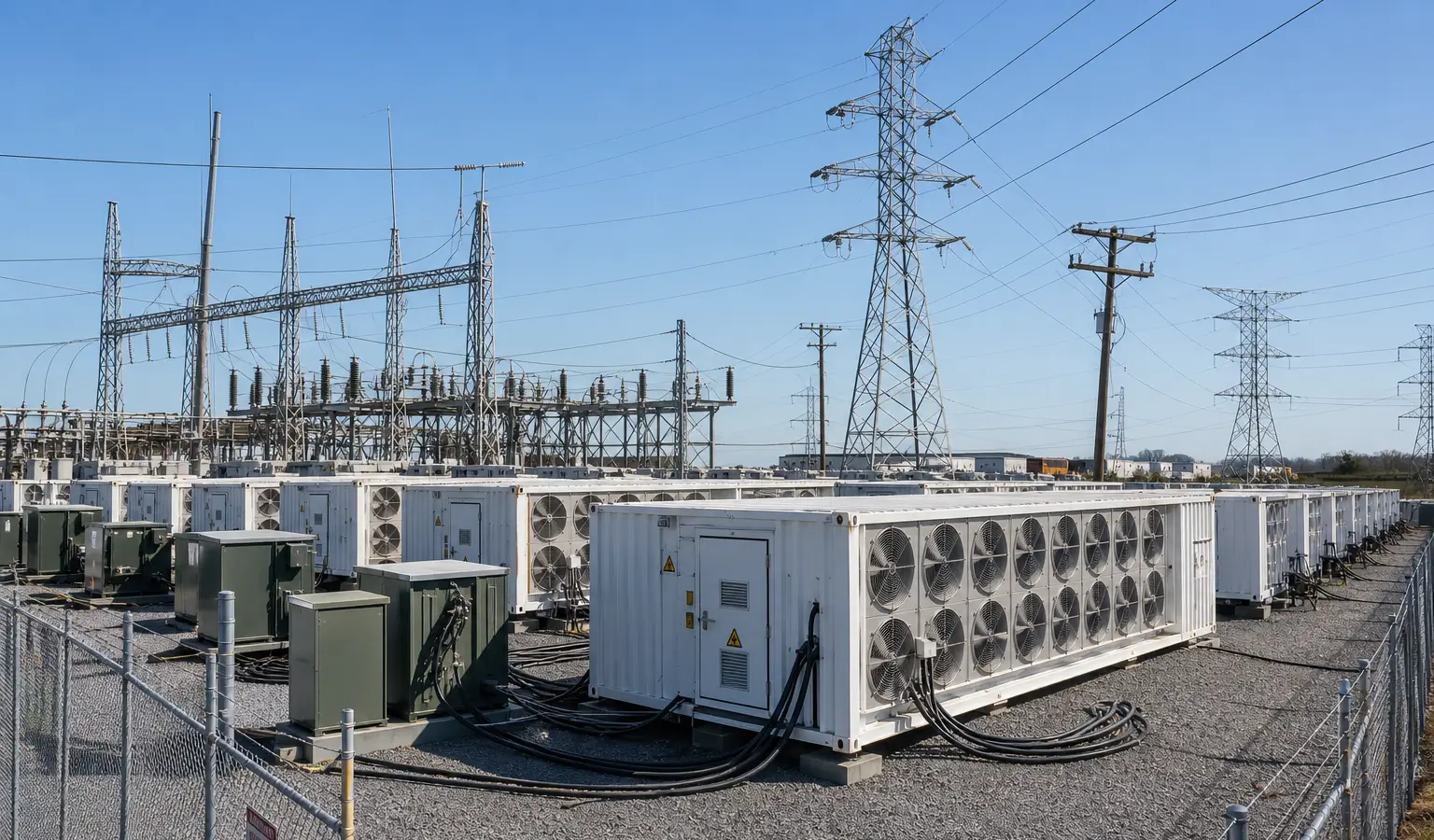
The timing is notable because the wider crypto market is still searching for use cases beyond trading. Mining is a good example. Companies like Bitfarm and Core Scientific are moving toward AI data centers, which shows that demand for AI infrastructure is becoming more important inside crypto as well.
Why This Matters for Europe
For European crypto readers, the main takeaway is how quickly the line between blockchain and AI is starting to blur. If automated software begins making payments more often, crypto wallets, stablecoins, and settlement infrastructure become even more important as the technical rails behind those transactions. Coinbase's approach could also serve as a reference point for European companies testing similar ideas, even if the market there is still early.
Risks Around Autonomous Agents
Not everyone in the industry is sold on that future. Developers have warned that software handling money directly creates fresh risks around counterparty exposure and control. NeoSoul AI said on X that an agent without reputation or memory cannot simply be trusted with a crypto wallet.
Tory Green, CEO of io.net, also said agents do not just need access to money, they need money that can move at machine speed. In his view, the financial system is still mostly designed for human users, while not only payments, but eventually compute and data, will also need the same kind of upgrade.
Armstrong's point is less about rejecting AI and more about expanding crypto's role. In his view, blockchain is not competing with AI. It is the layer that can make automated economies work.