Companies Bought Just 5,900 Bitcoin in Three Months
Glassnode sees a clear slowdown among publicly traded companies, while Strategy accounted for most of the buying. U.S. spot bitcoin ETFs and stablecoin liquidity also still do not show a broad recovery in demand.

Key Takeaways
- Public companies added about 5,900 Bitcoin to their reserves over the past three months.
- That is far less than a year earlier, when companies bought more than 100,000 Bitcoin in the same period.
- The average purchase price for that group is around $80,500, above Bitcoin's current price of about $76,400.
Public companies added about 5,900 Bitcoin to their reserves over the past three months. That is a clear slowdown compared with a year earlier, while Bitcoin is trading around $76,400 (€66,500) and the average purchase price for that group is about $80,500 (€70,100). As a result, many corporate treasuries are now underwater.
Corporate Treasuries Are Buying Less
According to Glassnode, the buying appetite of publicly traded companies has dropped sharply. Nasdaq-listed Strategy accounted for most of the recent purchases, including a buy of 4,603 BTC at the end of August. Even so, the total remains small compared with last year, when companies added more than 100,000 BTC in the same period.
That difference is huge. The recent 5,900 BTC are worth about $451 million (€393 million) at current prices. A year ago, company buying in just one month was already above 89,000 BTC, when Bitcoin was still above $100,000 (€87,100).
Glassnode says corporate treasuries were an important buyer in 2025, but have since stepped back. The average entry price for that group is around $80,500 (€70,100), about 6% above the spot price. As long as Bitcoin stays below that level, the data firm says that creates an extra drag on the market.
Other Signals Remain Mixed
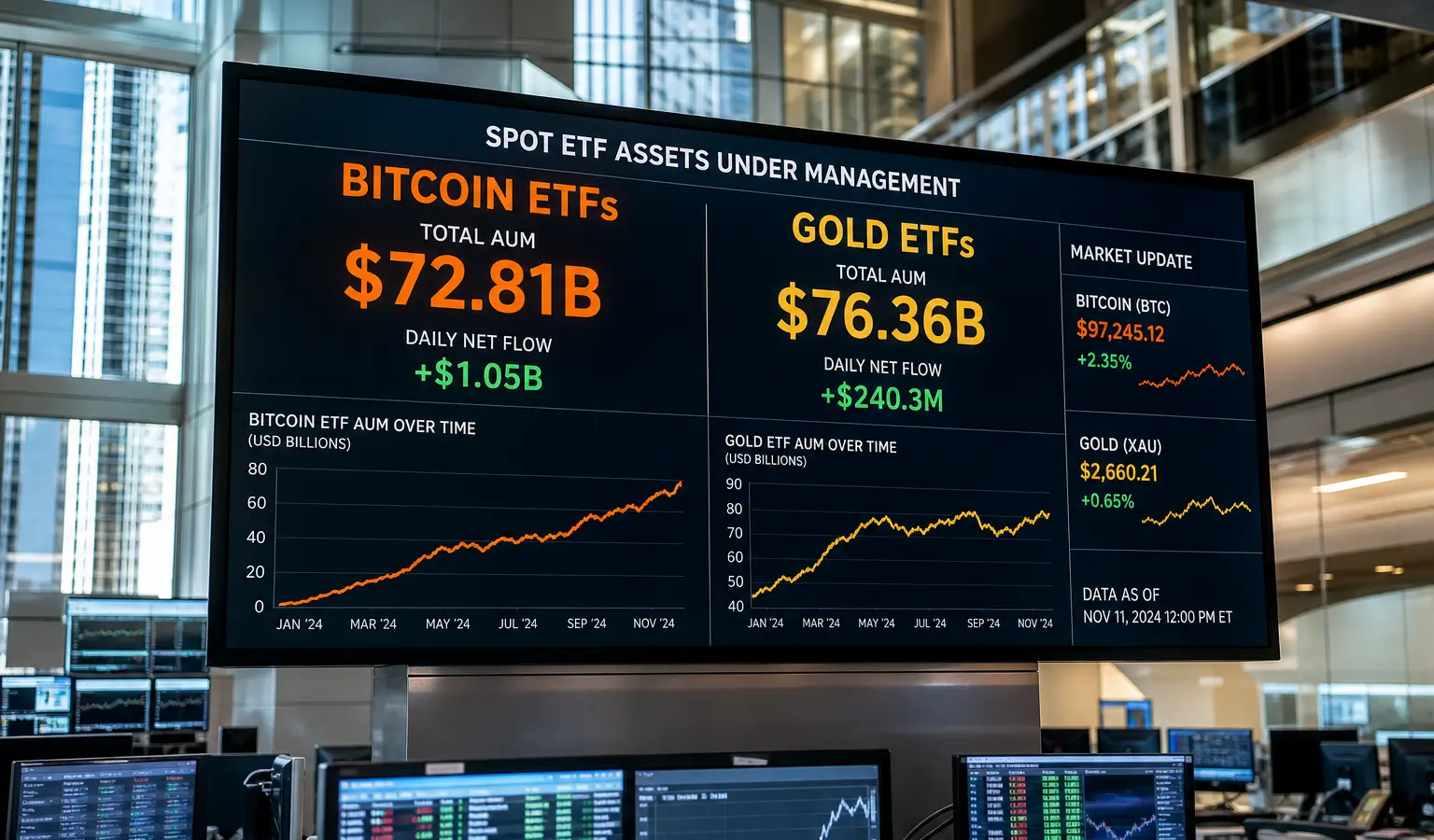
Other demand indicators also do not give a clear picture. Spot bitcoin ETFs in the U.S. have pulled in billions since early August, but according to SoSoValue they are still about $1 billion (€0.9 billion) behind on a positive year-to-date balance. That shows institutional demand is coming back, but not broadly enough yet to fully make up for the earlier shortfall.
The Coinbase premium has mostly stayed negative since May, with only a brief bounce on September 5. That suggests U.S. buyers are less active than traders on offshore platforms like Binance. At the same time, total stablecoin supply has mostly stayed flat this year around $300 billion (€261 billion) to $310 billion (€270 billion), which suggests not much new capital is flowing into the crypto market yet.
Why This Matters for Europe
For European crypto investors, this matters because corporate treasuries and ETF inflows often give a good read on broader Bitcoin demand. If that demand stays weak while the price is already trading below the average entry level of major buyers, the market can become more sensitive to new shocks. It also shows that the recent rebound is not yet being supported broadly by all major buyers.
The same is true for Strategy, where you can see how quickly the picture can change when Bitcoin moves. The company had previously returned to profit when the price recovered, but is now under pressure again because of the lower spot price.