ECB Defends Digital Euro With Privacy Guarantee
The ECB says transactions cannot be tied to individuals, while critics point to weak technical safeguards. That is pushing the digital euro and MiCA dossier toward a 2029 rollout.
Key Takeaways
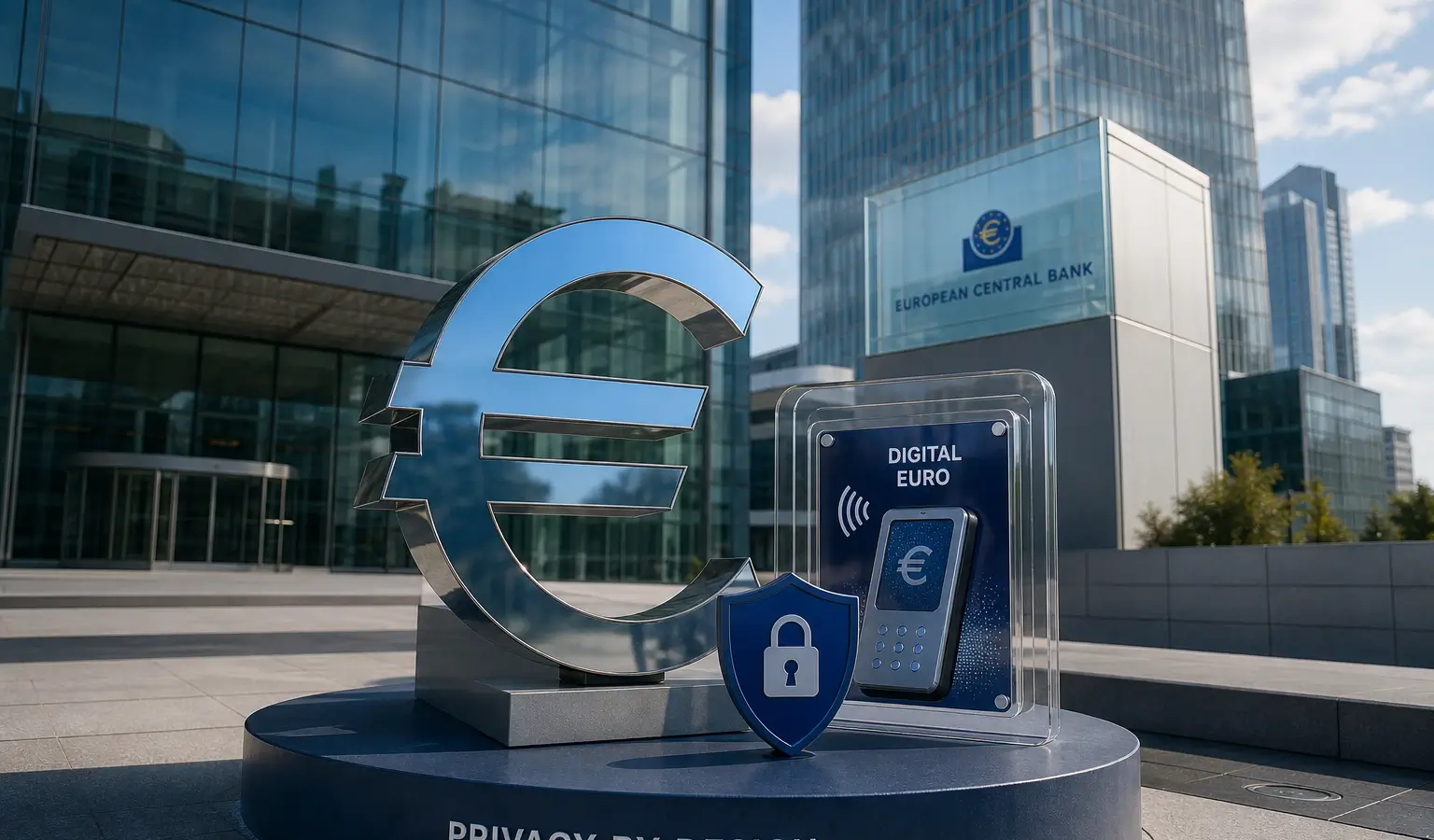
- The ECB says the digital euro offers more privacy than a bank transfer and cannot link transactions to specific people.
- For offline payments, only the payer and receiver would see the data; online payments would only be linked by banks for anti-money laundering purposes.
- The digital euro is not meant to replace cash and is scheduled for rollout in 2029, after approval by the European Parliament.
The European Central Bank is trying to calm growing concerns about the digital euro with a firm privacy promise. ECB board member Piero Cipollone says the system offers more protection than a regular bank transfer and that the central bank cannot link transactions to specific people.
Privacy at the Center
According to Cipollone, the digital euro will have the highest level of privacy current technology can offer. With a bank transfer, transaction data is now known to the parties involved, but the digital euro is supposed to work differently. The ECB says the Eurosystem will not be able to link individual users to their digital euro payments, both online and offline.
For offline payments, Cipollone describes a model that looks like cash. In that case, the data would only be known to the payer and the receiver. For online payments, only the banks involved would be able to identify users, and then only for anti-money laundering purposes.
Criticism of Oversight
That explanation comes at a time when resistance to the digital euro is growing. Digital rights groups, including Epicenter.works, warned earlier this month that privacy promises rely too much on institutional commitments and too little on technical enforcement. According to them, legal promises can in practice be watered down, interpreted differently, or simply not followed.
That criticism hits a sensitive point for the ECB. Central bank digital currencies are often viewed with suspicion in Europe and beyond, precisely because they could, in theory, give more insight into payment behavior. The ECB is trying to flip that image by presenting privacy as a design principle, not an afterthought.
Cash Stays in the Picture
Cipollone also stressed that the digital euro is not meant to replace physical money. He pointed to the recent public consultation on new euro banknotes as a sign that the ECB wants to keep cash in circulation. ECB President Christine Lagarde said earlier that the digital euro and cash will coexist.
For European crypto followers, this is especially relevant because the digital euro remains one of the most important policy files around digital money. The plan got the green light from the European Parliament last month and is now scheduled for rollout in 2029. That means the debate is shifting more and more from whether the digital euro will happen to how privacy and oversight will be set up later.
The discussion fits into a broader European trend in which central banks and regulators are trying to frame digital forms of money more tightly. The ECB already took the first step earlier with a digital euro pilot, in which online and offline payments are tested before any possible issuance.