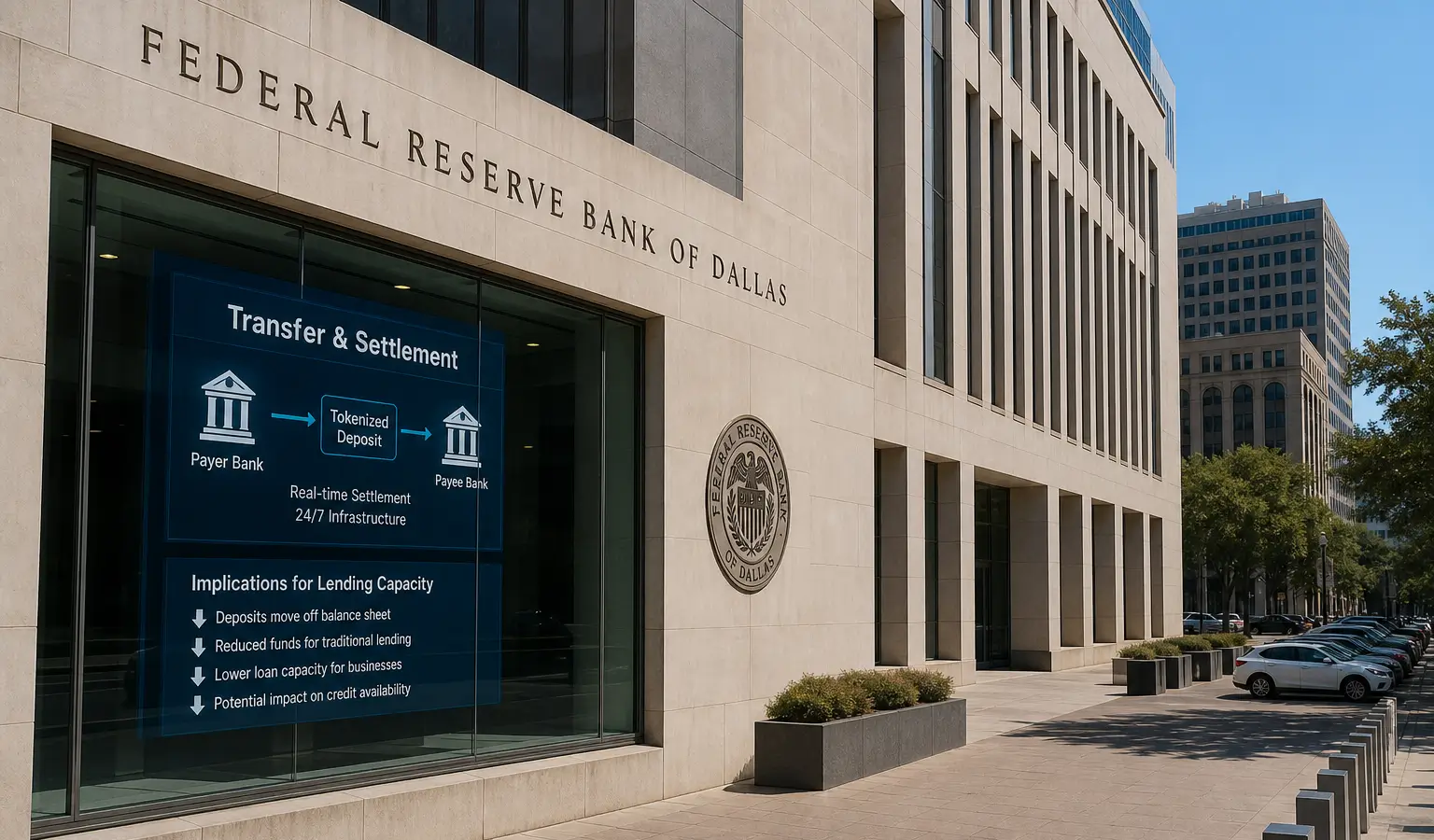
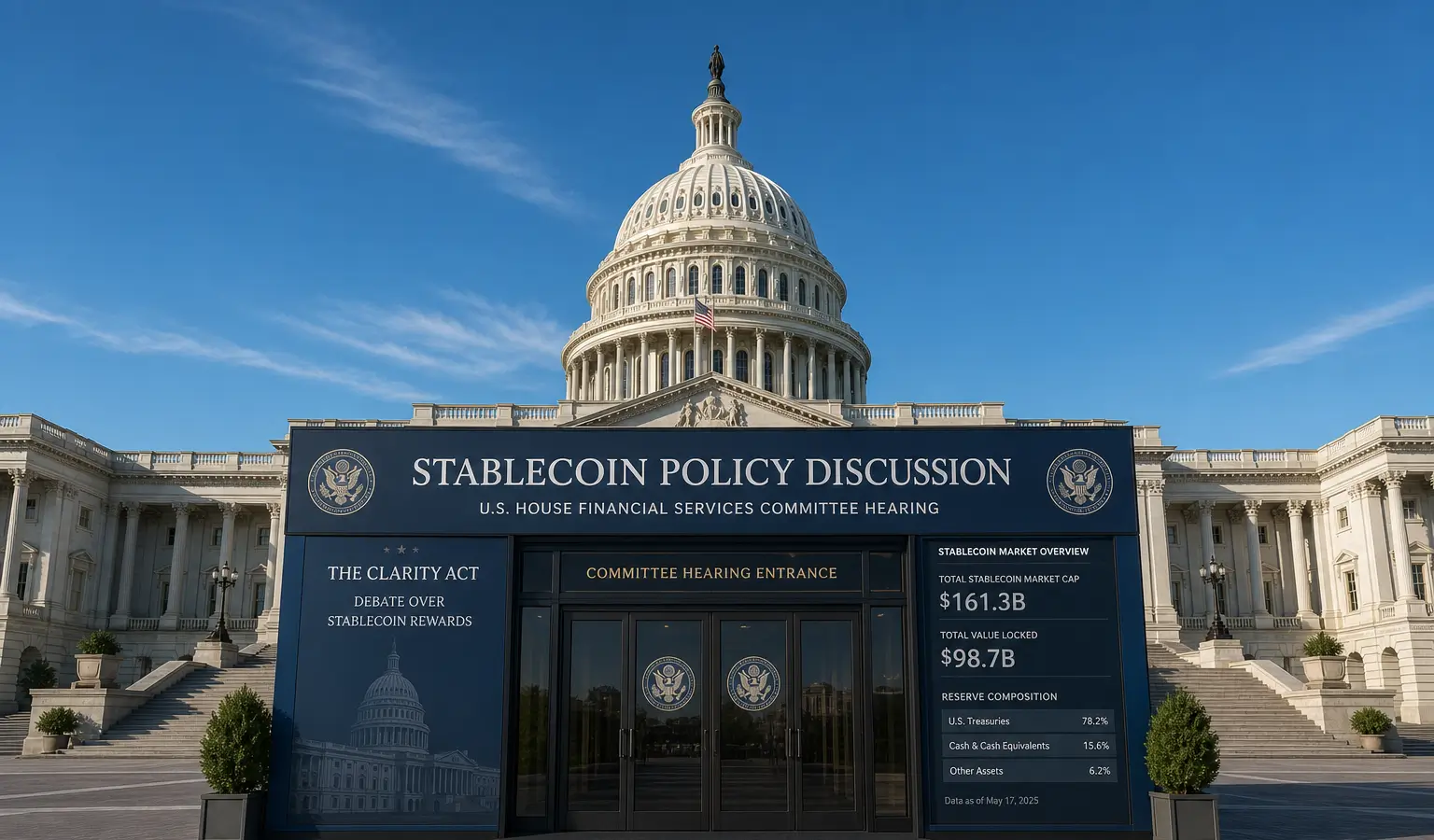
Stablecoin Rewards Under Fire in Clarity Act Debate
The U.S. banking sector fears deposit outflows, but Coinbase points to numbers that do not show that link. The outcome could also help shape oversight of stablecoins and rewards under the Clarity Act.
Key Takeaways
- The U.S. banking sector wants to tighten the Clarity Act because of concerns that stablecoin rewards are pulling savers away from smaller banks.
- Coinbase executive Faryar Shirzad says the numbers do not support that and points to growing community bank deposits since 2019.
- The debate is also relevant for Europe because it could help shape rules for stablecoins, rewards, and the line between them and banking products.
The U.S. banking sector and the crypto sector are once again at odds over stablecoin rewards. The American Bankers Association wants to tighten the Clarity Act, but according to Coinbase executive Faryar Shirzad, the banking sector is basing its objection on an assumption that the numbers do not back up. He says community banks have actually attracted more deposits since 2019, while stablecoins and rewards for stablecoins have existed for years.
What Banks Fear
The core of the banking argument is simple: if platforms are allowed to pay rewards on stablecoins, savers could pull money out of smaller banks. According to the banks, that would hurt local lending. That concern has been around in Washington for a while, where the Clarity Act from 2025 is meant to set a federal framework for digital assets and define the role of regulators.
Shirzad says that logic does not hold up. According to him, stablecoin rewards have been allowed under the current rules for years, and Coinbase has been paying rewards on USDC for more than four years. If the mechanism really worked as strongly as the ABA claims, that outflow should already be visible by now.
The Numbers So Far
The main pushback comes from the data. According to Shirzad, community bank deposits grew by 26%, or about $482 billion (€413 billion), from June 2019 to March 2026. That continued during the period when stablecoins and rewards were growing strongly.
He also points to studies by Charles River Associates and the Council of Economic Advisers, which do not see a significant link between stablecoins and deposits. That gives the debate a broader base than just a political guess. The question is not only what banks fear, but also what has and has not actually happened in practice over the years.
Why This Matters for Europe
For European crypto readers, this debate matters because it shows how big the fight over stablecoins still is, even in the United States. The outcome could help shape how regulators look at rewards, usage, and marketing of stablecoins. For companies active in crypto, DeFi, and payments, that remains important, because rules in the U.S. are often followed beyond national borders as well.
The discussion also touches on a broader question that comes up in Europe too: how far can a stablecoin go before it starts looking too much like a banking product? In the U.S. text around the Clarity Act, part of the debate is about the line between a reward for real usage and a banned interest-like return. That makes the debate not just legal, but also practically relevant for how stablecoins will be offered in the market later on.
The same tension is playing out elsewhere in the market too, where banks and crypto companies are looking for a model that offers yield or rewards without directly pulling away deposits. In that context, the discussion about stablecoin yield is an important backdrop for this file.