Ethereum Researcher Warns of AI Risks for Wallets
Drake sees the biggest risk for Bitcoin and Ethereum wallets now that AI may be able to exploit public keys. He points to new addresses and stronger reserve security at Binance, Robinhood, and Tether.
Key Takeaways
- Ethereum researcher Justin Drake advises holders to move funds to new addresses that have never sent a transaction.
- He warns that AI may be able to crack wallet security and that a breakthrough could come within months, while rushing could cause even more damage.
- Drake also points to effects on Bitcoin and says major players should harden their offline reserve wallets further.
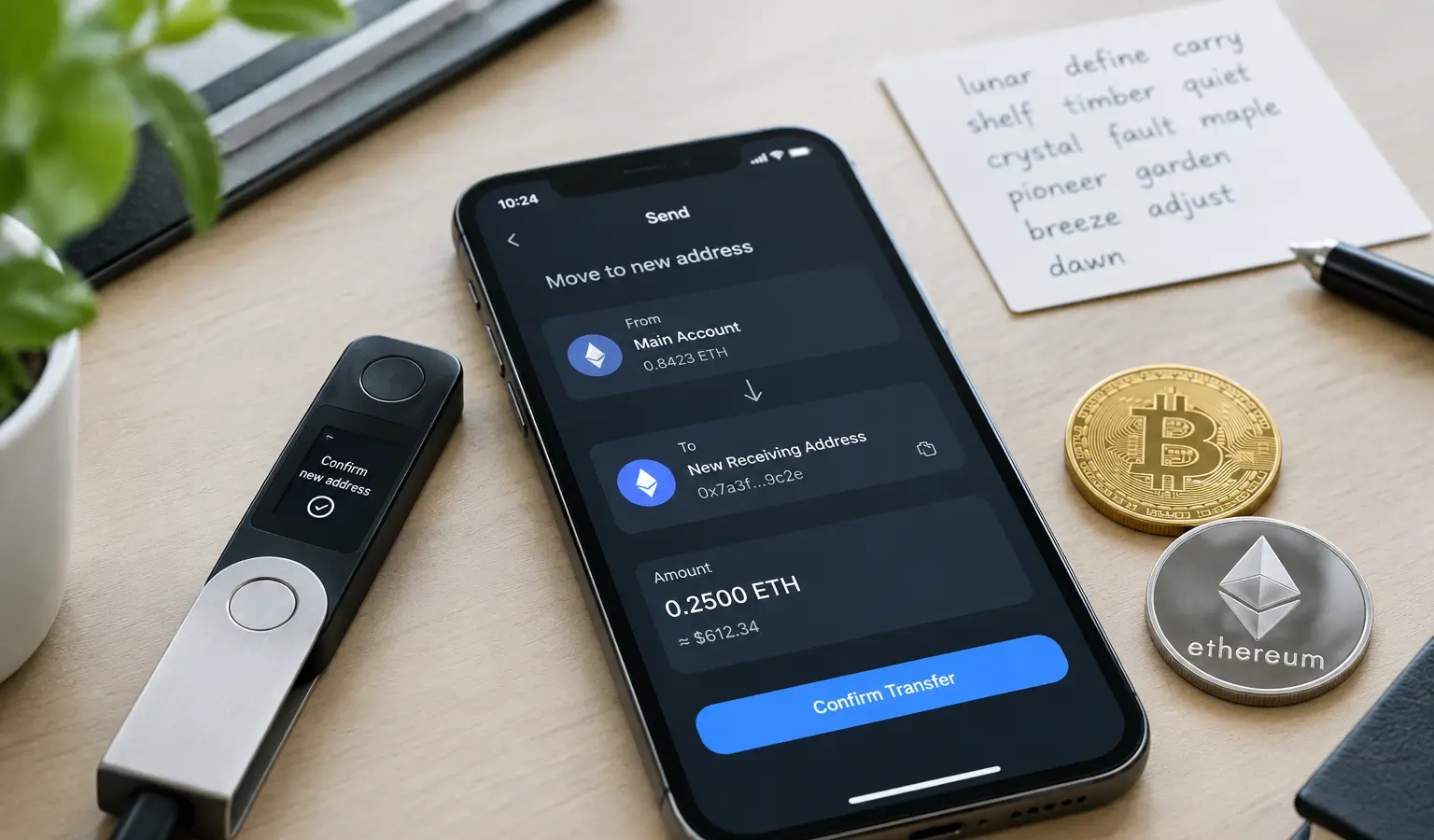
Ethereum researcher Justin Drake explained on Wednesday how holders can protect their coins if AI manages to crack wallet security. His main advice is simple: move funds to brand-new addresses that have never sent a transaction.
Drake says no new software or other wallet is needed for that. At the same time, he warned that in the worst case a breakthrough could come within months, but that a rushed move could actually cause more damage.
New Addresses as the First Step
Drake lays out four steps, with the biggest and most experienced holders as the main target group. The core idea is that an address that has never sent coins helps the owner keep the private key hidden.
After a spend, the remaining coins should immediately move to a fresh address, according to him. That can simply come from the same seed phrase, the recovery phrase that makes a wallet accessible again. He also stressed that this is a preventive measure, not an emergency fix.
Why This Matters Now
A crypto wallet has a private key, a secret code that approves payments, and a matching public key. For an address that has never been used, only an encrypted fingerprint of that public key is visible. The full key only appears on the blockchain when the first spend happens.
Drake fears AI could help attackers work backward from a visible public key to the private key. That fits into a broader picture in which AI is not only useful for analysis, but can also speed up new attack methods, such as prompt injection or finding software bugs faster. For crypto holders, that makes wallet security even more important.
What This Means for Bitcoin
Drake said wallets under 50 Bitcoin are partly protected, because about 20,000 early addresses with 50 BTC each are already visible. He also said that, according to Glassnode, about 6.04 million BTC is already behind visible keys. That underscores why the debate over wallet security is not just theoretical, but directly affects large parts of Bitcoin's supply.
He also named Binance, Robinhood, Bitfinex, and Tether as parties that can further harden their offline reserve wallets. For Ethereum, he said the move to standard SHA- or BLAKE-based security needs to be picked up faster now. Earlier, Europol already warned about quantum risks for wallets, especially for exposed public keys and early Bitcoin addresses.