Fairshake Loses Rare Detroit Race, But Wins Elsewhere
Fairshake lost a House ally for the Clarity Act in Shri Thanedar, but picked up wins elsewhere in Michigan and Washington primaries.
Key Takeaways
- Fairshake lost in Detroit after incumbent Rep. Shri Thanedar was knocked out by Donavan McKinney.
- Thanedar was a co-sponsor of the Digital Asset Market Clarity Act and was seen as a key ally for crypto in the House.
- The PAC won five other primaries, including races involving Bill Huizenga, Suzan Delbene, Kim Schrier, and Marilyn Strickland.
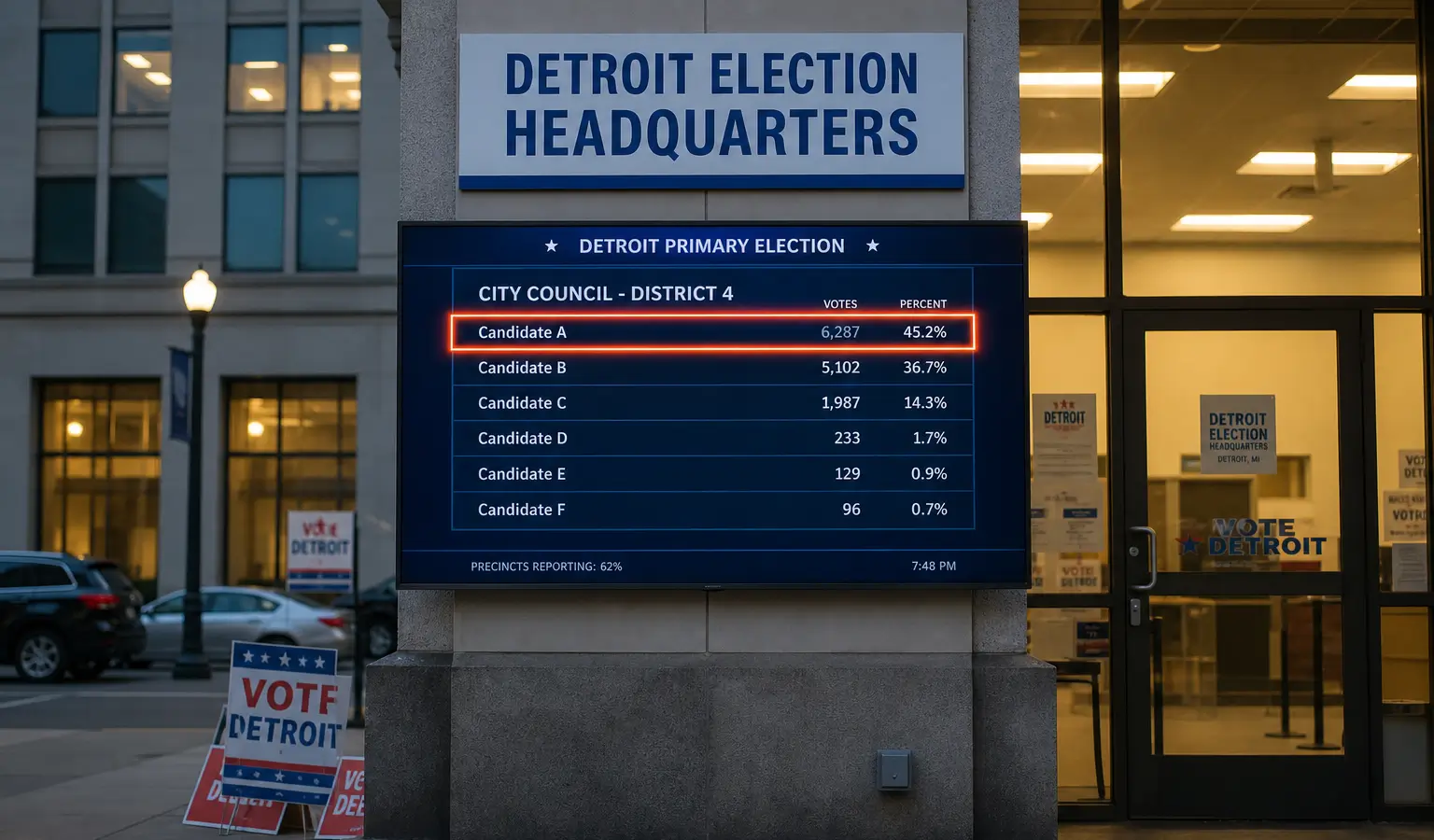
The pro-crypto PAC Fairshake suffered a rare setback in this week’s U.S. primary elections. In Detroit, incumbent Rep. Shri Thanedar was defeated by progressive challenger Donavan McKinney. The effort cost the industry more than $2 million (€1.7 million), and the bigger takeaway is that crypto is losing a key ally in the House of Representatives just as the legislative picture in Washington remains unsettled.
Loss in Detroit
Thanedar had been viewed as one of the lawmakers most willing to openly support crypto. He was a co-sponsor of the Digital Asset Market Clarity Act and was involved in other crypto-related legislation as well. His loss is therefore more than a local political defeat. It also removes another voice from a fragile coalition pushing for clearer rules for the industry.
McKinney did not campaign on crypto, but he received support from Senator Bernie Sanders and from progressive Michigan candidate Abdul El-Sayed, who also won his primary. For Fairshake, Detroit was the biggest Michigan wager on Tuesday, which made it one of the most expensive misses of the cycle.
More Wins Than Losses
Even so, Fairshake’s overall night was not a total loss. The PAC and its affiliated funds won five other primaries, mostly by supporting incumbents. In Michigan, that included Bill Huizenga, a Republican and another co-sponsor of the Clarity Act. In Washington, crypto-backed Democrats Suzan Delbene, Kim Schrier, and Marilyn Strickland all won, while pro-crypto Republican Amanda McKinney also came out ahead in a race backed by President Donald Trump.
The results show how widely the industry is spreading its political bets across both parties. Fairshake has spent years building a bloc of lawmakers friendly to crypto, and in earlier cycles that strategy often worked in races where the eventual winner was also expected to advance in November.
Why This Matters for Europe
For European crypto readers, the stakes are still relevant because U.S. rules for exchanges, brokers, and oversight continue to shape the market well beyond America. The Clarity Act, which is designed to spell out the roles of the SEC and CFTC, remains a major reference point for how the U.S. wants to organize the industry. Even if the bill advances later this year, the sector is still waiting on more clarity, including around crypto taxes. That broader debate also includes concerns about the bill’s ethics provisions and how far developer protections should extend in the Clarity Act.