FBI Agent Arrested After Stealing $1 Million in Crypto
The case underscores the insider risk tied to crypto seizures and custody, even as the FBI expands its blockchain analysis and security efforts.
Key Takeaways
- A supervising FBI agent in Washington has been arrested and charged with stealing more than $1 million in crypto.
- According to the indictment, Patrick Steven Yarmoch pulled crypto keys from FBI systems and set up as many as twelve transfers to himself.
- The case shows that insiders can also be a risk when it comes to crypto seizures, investigations, and custody.
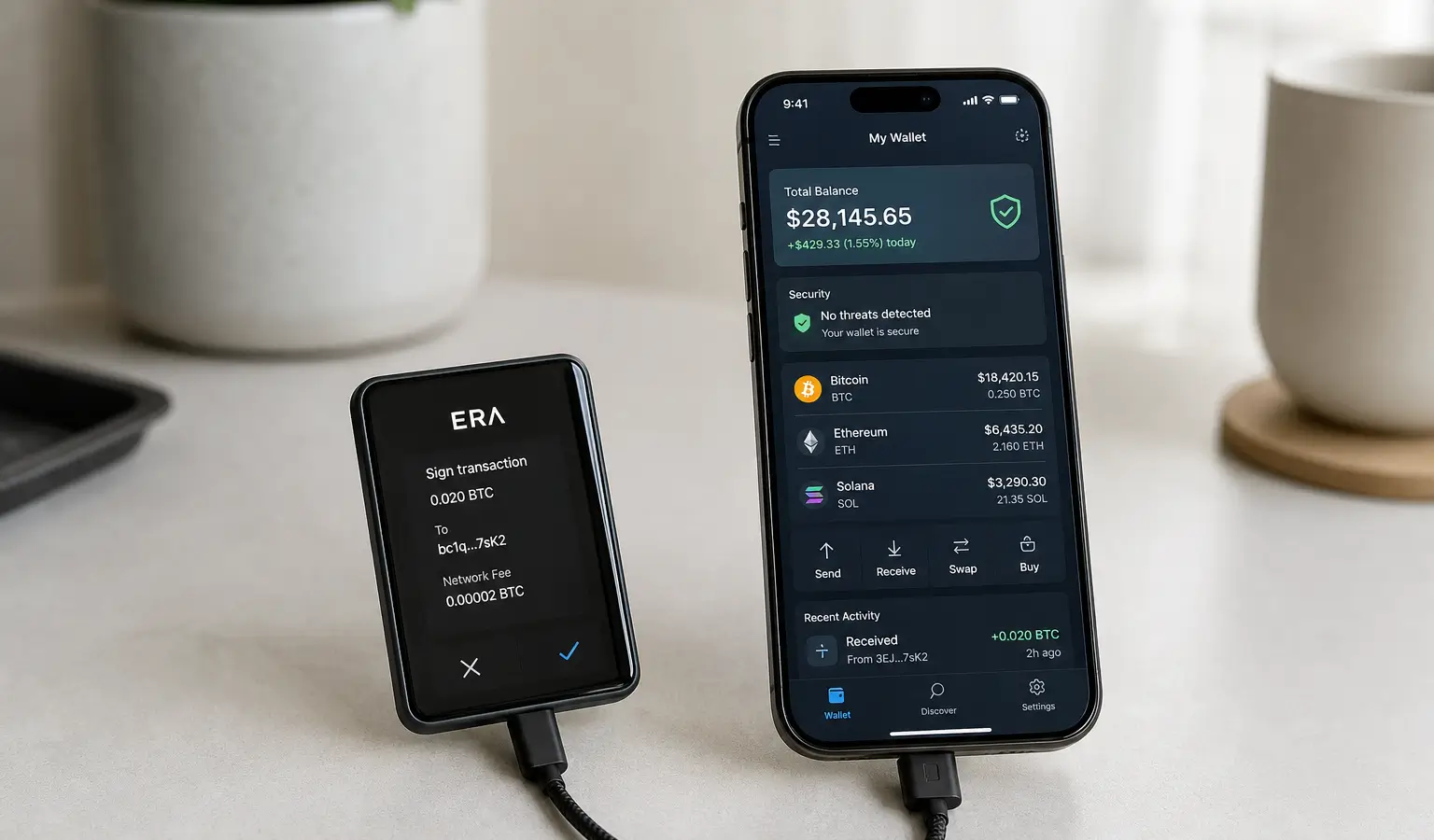
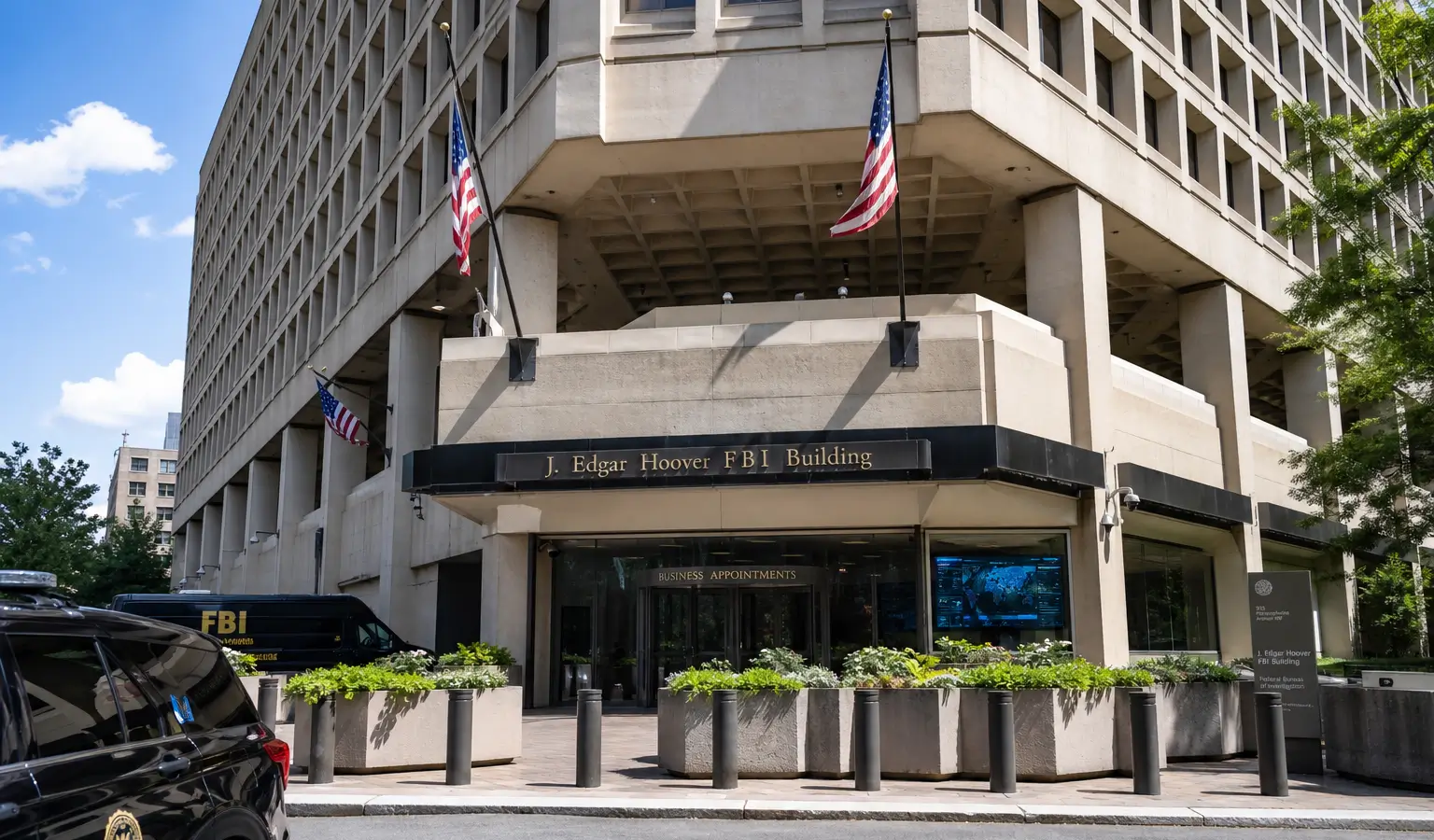
A supervising FBI agent based at headquarters in Washington has been arrested and charged in federal court with stealing more than $1 million (€0.9 million) in crypto. The indictment says Patrick Steven Yarmoch allegedly took crypto keys from FBI systems and used them to move funds to himself in as many as twelve transfers from accounts linked to foreign individuals.
What the Indictment Says Happened
Yarmoch worked in the intelligence and counterintelligence division at FBI headquarters and held a top secret security clearance. Court records say he turned himself in to coworkers and allegedly explained how he found the keys. According to the filing, he was first suspended for a few days, then fired and arrested on July 31.
The case stands out not only because of the alleged amount stolen, but also because of Yarmoch’s role. He served as a supervisory special agent in the counterintelligence and espionage division in Washington, and he had previously spent years in Boston working on a national security unit that investigated the same unnamed hostile nation.
Why This Matters
For the crypto market, the case is another reminder that the threat does not come only from outside hackers. Insiders can also create serious risk when it comes to crypto seizures, investigations, and custody. In recent years, the FBI has also expanded its digital asset capabilities, including its own Virtual Assets Unit, which supports blockchain analysis and training around seizures.
The case also fits into a wider wave of federal investigations into crypto-related fraud and theft. In earlier cases, the FBI has already pursued major crypto crime, including hacks, mixers, and misuse of seizure wallets, adding more pressure on government agencies to tighten access to crypto.
That also reflects a broader trend across the industry: many losses today come from stolen keys and operational mistakes, not just traditional code bugs. In our coverage of private keys, we already showed that key management remains one of the biggest weak points in crypto security.