FlightAware Drops Lawsuit Against Kalshi After Data Dispute
FlightAware dropped the case without explanation; the dispute centered on flight data and trademark use in Kalshi’s flight-cancellation contracts, while the platform is also facing legal pressure elsewhere.
Key Takeaways
- FlightAware has withdrawn its lawsuit against Kalshi, one day after filing it in a federal court in New York.
- The dispute centered on the use of flight data and a trademark for flight-cancellation contracts.
- Kalshi is meanwhile facing broader legal pressure in the United States from multiple lawsuits and legislation.
FlightAware has withdrawn its lawsuit against prediction market platform Kalshi, one day after the case was filed in a federal court in New York. The move puts a temporary end to a dispute over the use of flight data and a trademark, while Kalshi is also facing broader legal pressure in the United States.
Case Dropped Without Explanation
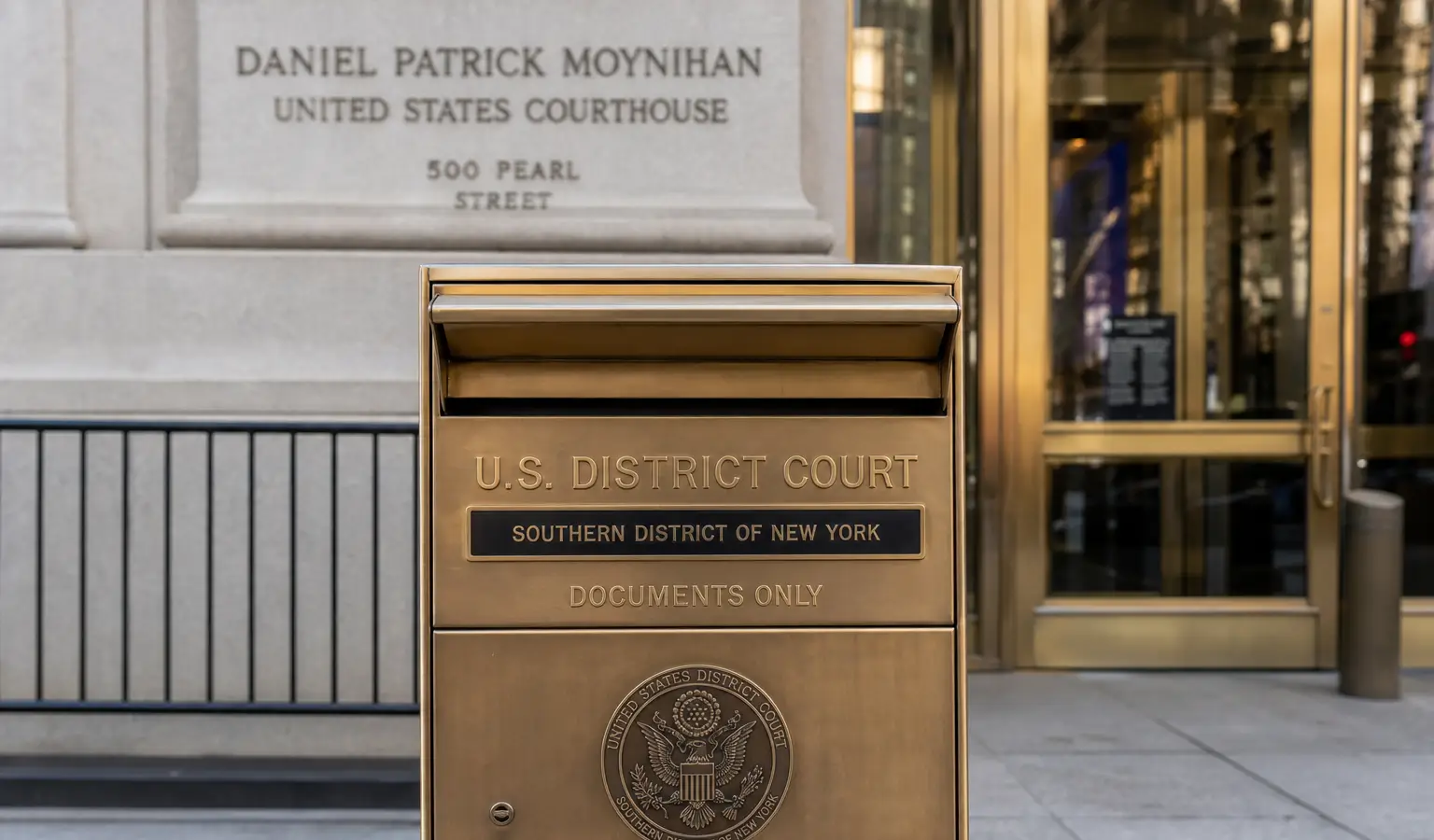
In the dismissal notice filed with the U.S. District Court for the Southern District of New York, FlightAware gives no reason for dropping the case. The dismissal is without prejudice, which means the company can refile the claims later.
FlightAware had accused Kalshi of using its flight data and trademark without permission to trade contracts on flight cancellations. The company asked for damages and an order blocking contracts that let users speculate on the percentage of canceled flights, nationwide or at specific airports.
According to the original complaint, Kalshi denied that it violated the license terms or infringed the trademark. The platform said the reference to FlightAware fell under nominative fair use and also pointed in the complaint to data from the U.S. Department of Transportation as a possible source for settling the contracts.
Thin Trading in a Niche Market
The timing of the dismissal stands out because Kalshi’s aviation series has so far drawn little retail interest. For the open contract on flight cancellations through August 14, Kalshi reports 31,412 contracts traded, worth $1,842.48 (€1,600) in volume and 1,120 contracts in open interest. That is a sharp contrast with the $148 billion (€128 billion) in volume Kalshi has already processed this year, according to the same data.
Kalshi started offering bets on national and local flight cancellations on July 14, the same day it filed a regulatory notice with the Commodity Futures Trading Commission to list those event contracts. Earlier, the platform had already temporarily paused that market after social media criticism over the risk that bad actors could trigger flight cancellations to collect payouts. That fits into a broader series of legal and regulatory conflicts around the platform, including the New York case over prediction markets and the CFTC’s recent intervention in a separate dispute over Kalshi trades.
More Pressure on Kalshi
The case fits into a broader wave of legal challenges around Kalshi. According to recent lawsuits and legislation in several U.S. states, the platform is under increasing regulatory pressure, while states like Arizona and Nevada are taking the company to court. In Minnesota, a law was even passed in May 2026 that makes operating a prediction market in the state a criminal offense.
For European crypto and market watchers, this matters because prediction markets are increasingly running into existing rules around gambling, data rights, and market access. The outcome of cases like these could shape how far platforms are allowed to go with outside data, trademark use, and contract settlement, especially now that U.S. regulators are watching the sector more closely.