France Puts Crypto-to-Stablecoin Swaps in the Tax Crosshairs
The plan mainly targets swaps into stablecoins under MiCA, with a possible 31.4% tax starting in 2027. French law still has to make it through parliament and could still change.

Key Takeaways
- France has approved an amendment that could make profits on crypto-to-stablecoin swaps taxable starting in 2027.
- The proposal is part of the 2027 budget and still has to go through the rest of the parliamentary process.
- The measure could lead to taxes when moving into stablecoins, while the implementation and definition are still unclear.
France has approved a proposal that could bring profits on swaps from crypto to stablecoins under the capital gains tax starting in 2027. That puts a widely used step in the crypto market closer to a 31.4% tax, although the plan is not final yet.
Narrow Win in Paris
The French National Assembly passed amendment I-3898 on October 16 with 38 votes in favor, 37 against, and 25 abstentions. The proposal is part of the 2027 budget and still has to go through the rest of the parliamentary process. So the text could still be changed or disappear entirely before it becomes law.
Under current French rules, swaps between crypto without extra cash payment usually get tax deferral. That could change for transactions where investors receive e-money tokens, such as those defined under the European Union's MiCA framework. In practice, an investor could then owe tax on the gain at the moment they move into a qualifying stablecoin, even if no euros are withdrawn to a bank account.
More Pressure on Stablecoin Trading
The measure fits into a broader European trend where regulators are increasingly trying to pull crypto into existing tax rules. MiCA has been fully in force since July 1, 2026 and is meant to bring more clarity to how crypto assets are treated within the EU. At the same time, the French proposal shows that tax rules can still vary a lot from country to country.
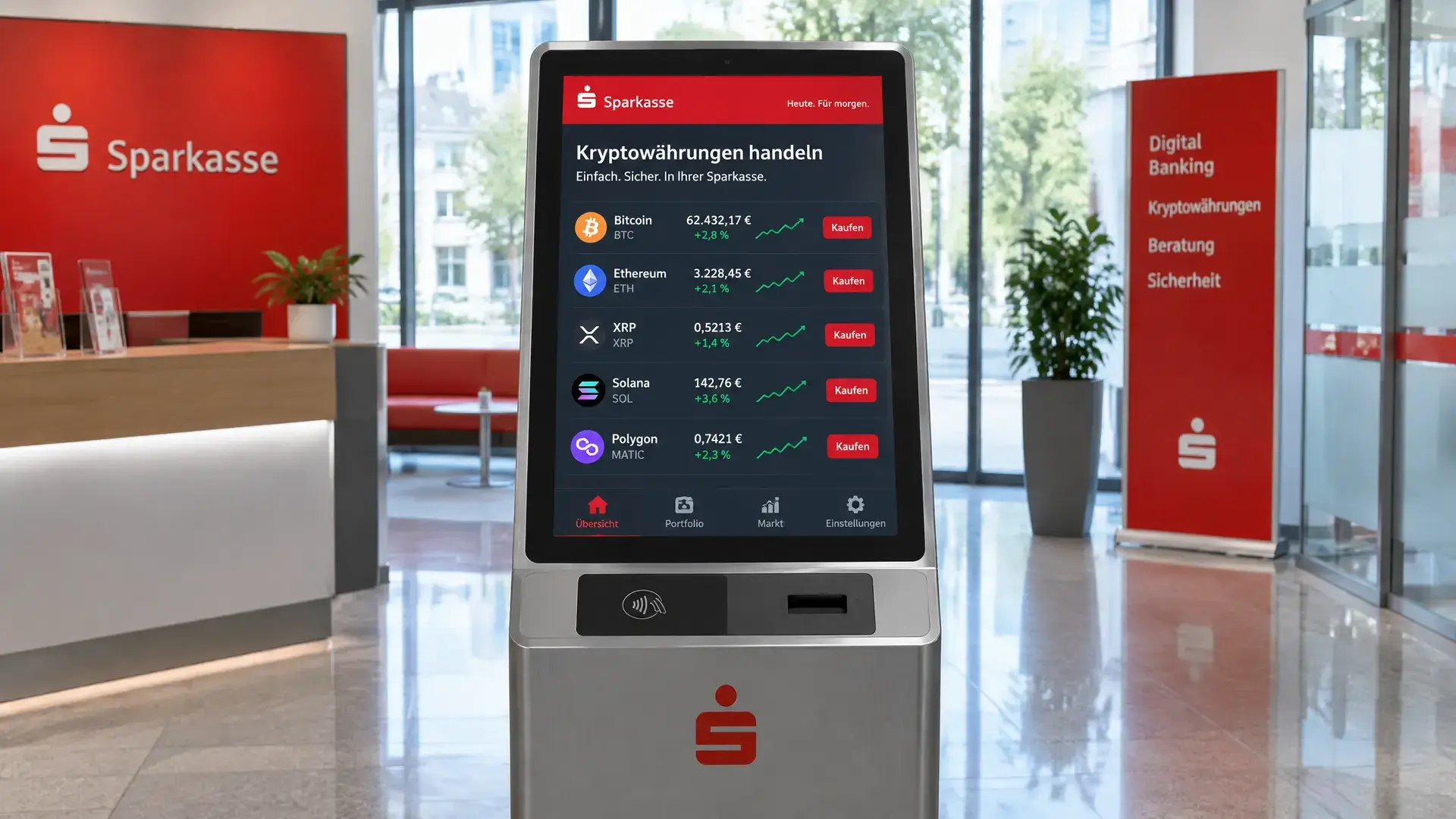
The move has also raised questions about how it would work in practice. Public Accounts Minister David Amiel said during the debate that it first needs to be clear how stablecoins are defined and how shifts within a portfolio can be tracked. Chainalysis had already warned that a heavier tax could push investors toward DeFi platforms, peer-to-peer trading, and offshore exchanges. In Germany, banks are meanwhile taking steps to offer crypto trading in their own apps, such as at Sparkasse, showing how differently European markets are handling crypto integration.
What Else Is Changing
The proposal would also change how France calculates capital gains. Instead of a portfolio-wide method, tax would be calculated based on the purchase price of the assets sold, with a weighted average for units of the same crypto bought at different times. Rapporteur general Philippe Juvin said during the debate that he prefers keeping tax deferral, because crypto is so volatile.