Galaxy Digital Falls After Earnings and Helios Update
Investors are mostly focused on Helios’ rapid expansion in Texas and the new $3.5 billion debt load. The data center unit generated revenue for the first time, but Galaxy still hasn’t landed any additional tenants.
Key Takeaways
- Galaxy Digital is trading more than 5% lower in premarket after its earnings report and an update on Helios.
- Net loss narrowed to $85 million, while the digital asset business posted $66 million in adjusted gross profit.
- Helios generated revenue for the first time, but Galaxy also closed a $3.5 billion debt round, pushing total debt above $6 billion.
Galaxy Digital (GLXY) is down more than 5% in premarket trading after reporting earnings. The company did show a smaller loss, but investors were also handed a fresh update on the rapid expansion of the Helios data center campus in Texas and a new multibillion-dollar debt raise.
Loss Narrows, But Shares Fall
Net loss was $85 million (€73.8 million), down from $216 million (€188 million) in the first quarter. On a diluted and adjusted basis, the company lost $0.09 (€0,078) per share, beating the $0.28 (€0.24) analysts had expected and improving from $0.49 (€0.43) in the prior quarter.
Galaxy’s digital asset business produced $66 million (€57.3 million) in adjusted gross profit, up 34% from the previous quarter even as trading volume slipped 7%. That suggests the core business remained resilient, but the market seemed more interested in the bigger picture and the funding required for Galaxy’s infrastructure plans.
Helios Generates Revenue for the First Time
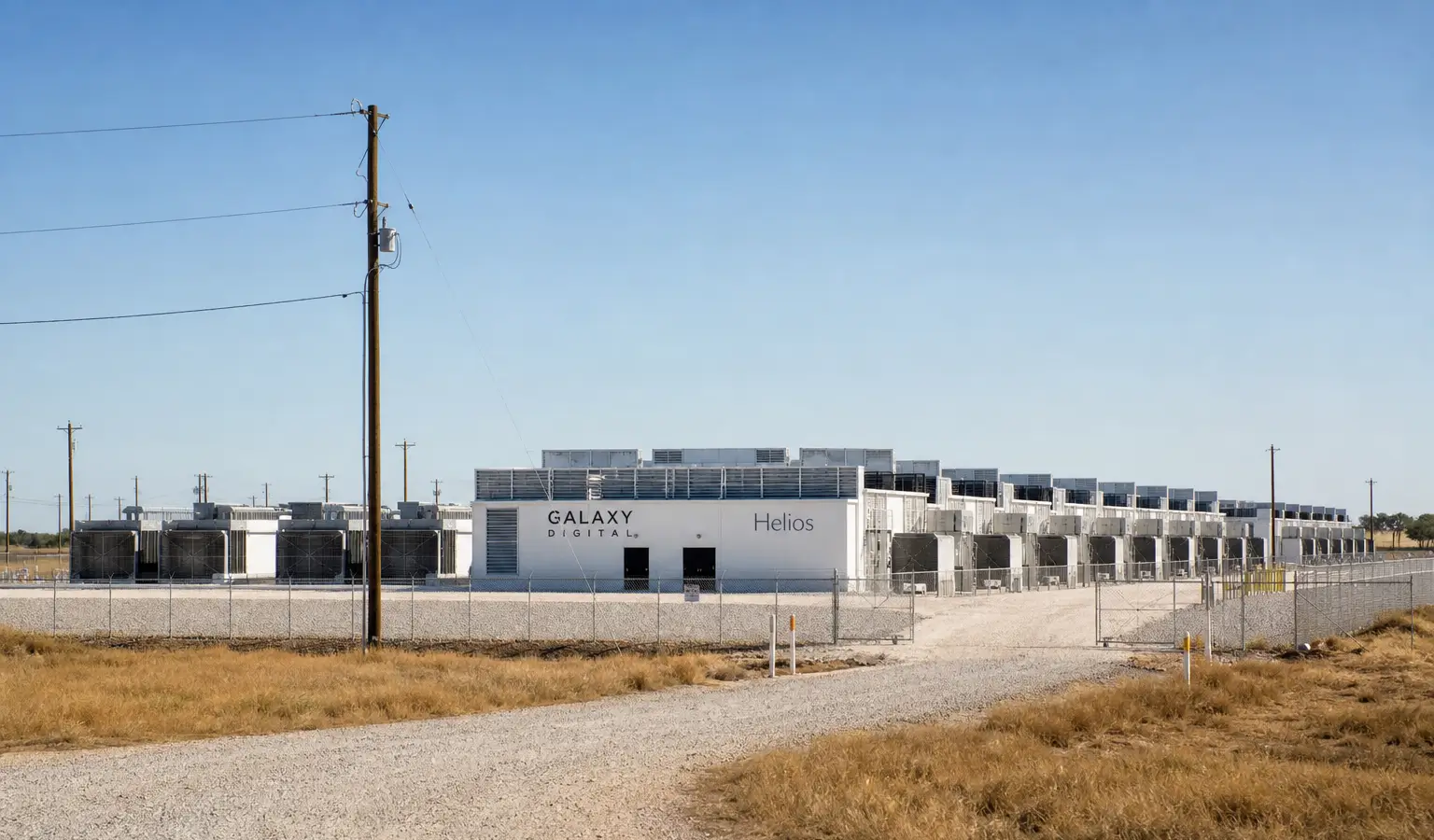
The data center division booked revenue for the first time after Galaxy completed the first phase of Helios in West Texas. The segment reported $20 million (€17.4 million) in adjusted gross profit and $11 million (€9.6 million) in adjusted EBITDA, compared with an adjusted EBITDA loss of $900,000 (€781,600) in the first quarter.
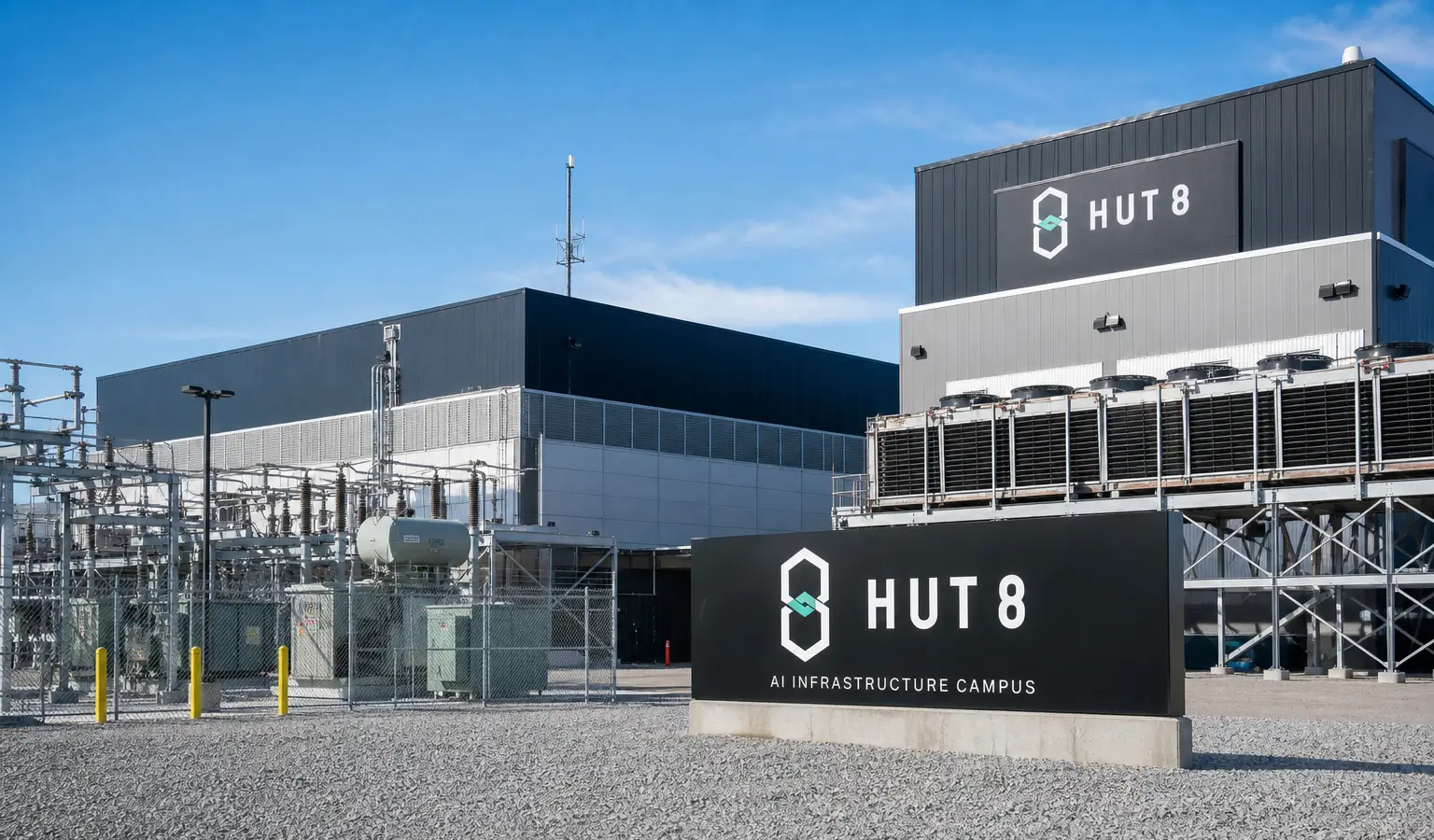
Galaxy delivered 200 megawatts of gross power, equal to 133 megawatts of critical IT capacity, to CoreWeave under a 15-year lease. Based on earlier company guidance, the campus has now expanded into a site with more than 1.6 gigawatts of approved capacity, giving Helios a notable position in the market for AI and high-performance computing infrastructure. That also reflects a wider trend of companies with large power and data center footprints chasing AI demand. For instance, Core Scientific recently signed a long-term infrastructure deal for hundreds of megawatts of AI capacity.
More Capital, More Questions
Even so, the update did not include a new tenant or lease for any additional capacity. Galaxy said it is still in talks with potential tenants for another 830 megawatts of approved capacity at Helios. The company also acquired three new Texas sites for future data centers.
The financing burden is also getting heavier. On July 28, Galaxy closed a $3.5 billion (€3 billion) private placement of senior secured notes due in 2031 through Galaxy Helios Data Centers II LLC, with the proceeds intended to fund Helios Phase II. That brings total debt above $6 billion (€5.2 billion). For European crypto followers, the takeaway is that Galaxy is increasingly straddling two businesses at once: a crypto trading operation and a capital-heavy infrastructure play that now depends more on occupancy, financing, and execution.