Google and Apple Hunt for Stablecoin Talent
Google Cloud is looking in Hong Kong for expertise in tokenization and stablecoin infrastructure, while Apple Pay sharpens its strategy for wallets and payments.
Key Takeaways
- Google and Apple are looking for employees with knowledge of digital assets, pointing to more attention on stablecoins, tokenization, and blockchain payments.
- Google Cloud is looking in Hong Kong for an architect for tokenization, stablecoin infrastructure, smart contracts, and compliance in the Asia-Pacific region.
- Apple is looking for a strategy leader for Apple Pay, Apple Card, and Apple Cash, but the job postings do not confirm a new crypto product.
Google and Apple are both looking for employees with knowledge of digital assets. That is a new sign that major tech and payments companies are preparing more seriously for stablecoins, tokenization, and blockchain-based payments.
Google Focuses on Tokenization
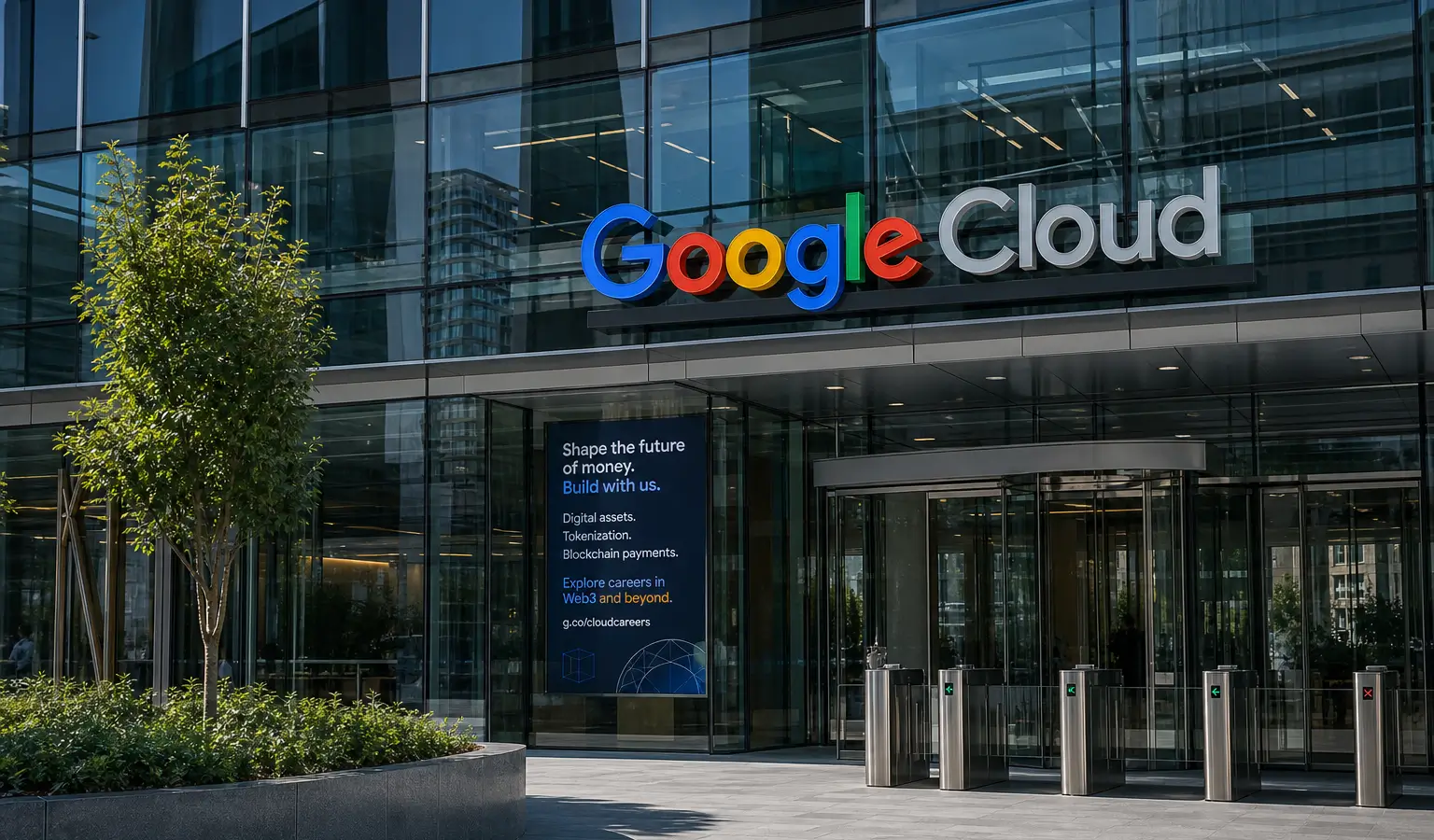
Google Cloud is looking in Hong Kong for an Industry Principal Architect who will work with protocol foundations, exchanges, custodians, and financial institutions to tokenize real-world assets in the Asia-Pacific region. The role calls for experience with blockchain networks, smart contracts, stablecoin infrastructure, tokenized deposits, and custody technology.
According to Google, the new hire must advise executives and help with the Web3 product roadmap. With that, the company wants to build a preferred position as a cloud provider for digital asset builders and institutional players. The role is also tied to cloud infrastructure, transaction-signing systems, blockchain nodes, and compliance requirements in markets such as Hong Kong.
Apple Looks at Payments
Meanwhile, Apple is looking for an Apple Pay Financial Product Strategy Lead in Cupertino or New York. That role is less directly about crypto, but it does focus on strategy for Apple Card, Apple Cash, peer-to-peer payments, and other consumer-facing financial products. Apple wants someone who can evaluate new products, partnerships, and business models within wallets, payments, and commerce.
The job postings do not confirm that Apple or Google is already launching a new crypto product. They do show that stablecoins and tokenized deposits are showing up more often in the strategies of major tech and payments platforms, instead of only at crypto-native companies.
Why This Matters
For European crypto followers, this is especially relevant because it shows how broad the market for stablecoin infrastructure is becoming. In June 2026, a consortium of more than 140 companies, including Google, BlackRock, and Coinbase, already launched Open USD, a stablecoin for global payments. Banks and payment companies are moving too: in September 2026, 21 financial institutions announced plans for their own stablecoin company, while Mastercard earlier that year agreed to acquire stablecoin infrastructure company BVNK.
That shift makes it clear that stablecoins and tokenization are no longer just a topic for crypto companies. For companies like Google and Apple, it is increasingly about what role they want to play in the infrastructure behind digital payments and tokenized assets. That fits the broader trend in which even major banks are setting up their own stablecoin venture to support payments and settlement in digital assets.