Is the crypto lobby getting too powerful? Several lawmakers raise the alarm
More insight into how to handle the crypto lobby: that's what several American politicians are demanding in an open letter to top government officials.

More insight into how to handle the crypto lobby: that’s what several American politicians are demanding in an open letter to top government officials. The crypto industry is expanding its influence by spending millions on campaigns and hiring former regulators.
Politicians, including U.S. Senators Elizabeth Warren and Sheldon Whitehouse, and Representative Alexandria Ocasio-Cortez, are sounding the alarm over the growing ties between the crypto industry and politics. According to a open letter, companies have "significantly expanded their lobbying efforts in recent months." Even as crypto regulation comes under scrutiny.
As part of this "influence campaign," crypto firms have now hired more than 200 former government officials. Lobbying expenditures have quadrupled over the past three years.
How powerful is the crypto lobby?
A legitimate concern: "We’re worried that the openness of the crypto industry could buy influence in the policymaking process and erode public trust in our financial regulators."
By hiring government officials, the crypto industry is securing itself access — a key feature "for an industry that designs many of its products to evade regulatory oversight," according to the politicians. Just as "powerful Wall Street interests" shape financial regulation, the crypto industry is trying to shape the rules to its own liking.
A long arm’s length
Financial regulators are urged to preserve the safety and fairness of our financial markets. Market rules should "reduce risks, improve safety, and ensure the fair and efficient functioning of the market" — but not simply align with the crypto industry’s wishes, the letter goes on.
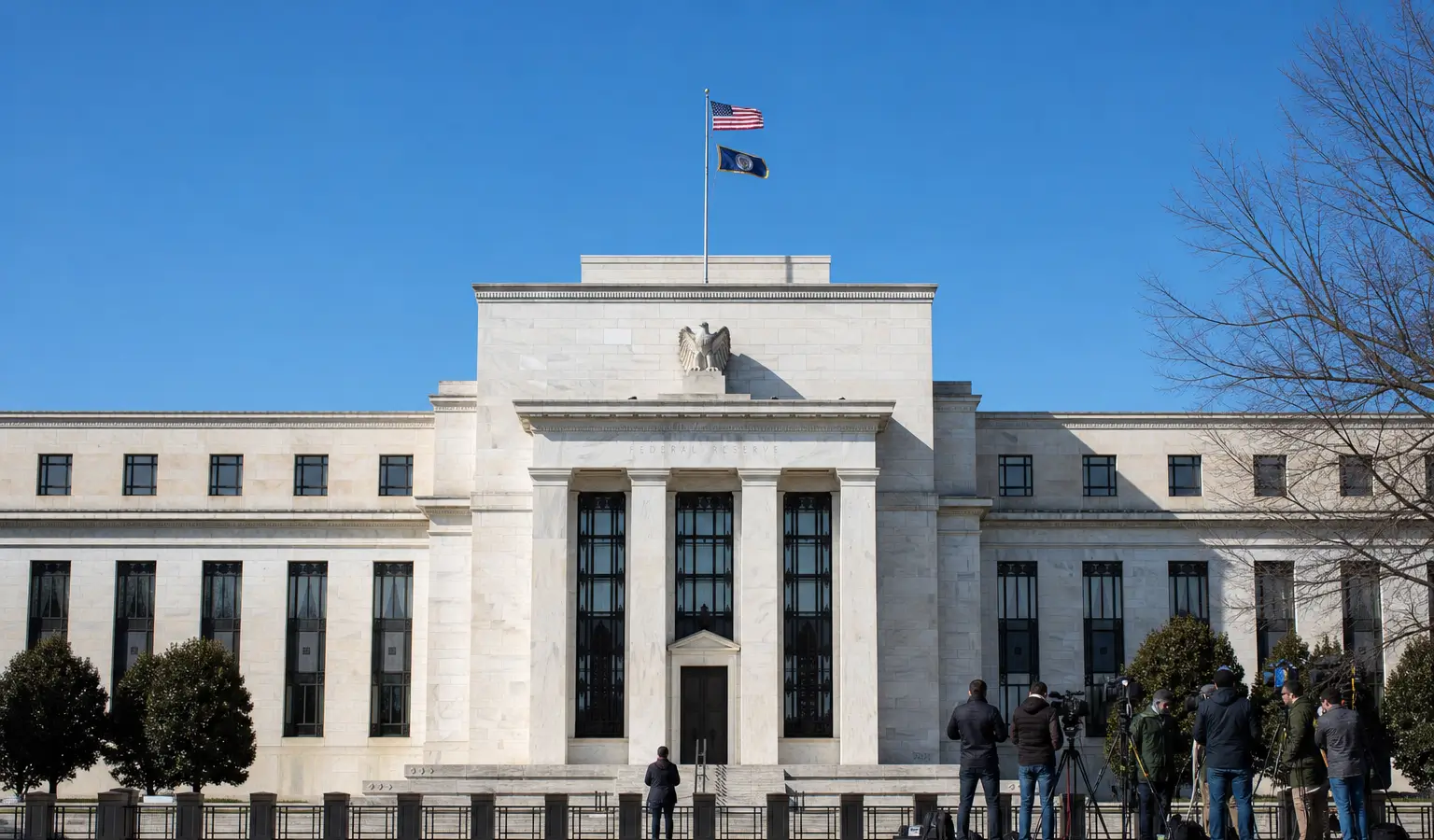
The letter is addressed, among others, to SEC Chair Gary Gensler, CFTC Chair Rostin Behnam, US Treasury Secretary Janet Yellen, and Fed Chair Jerome Powell. They are asked to report by November 7 on key US government guidelines, for example the safeguards to guard against revolving doors when moving between government and industry and the methods used to avoid potential conflicts of interest.