IEA Sees Big Oil Surplus in 2027, With Possible Impact on Bitcoin
A possible oil surplus in 2027 could push down energy prices and inflation. That could also feed into interest rate policy later on and affect Bitcoin’s price.

Key Takeaways
- The IEA expects an oil surplus of about 5 million barrels per day in 2027, driven by stronger production than demand.
- For 2026, the IEA sees global oil demand falling by 1.1 million barrels per day and output dropping to 102.4 million barrels per day.
- Lower oil prices could ease inflation and rates, which has historically been good for Bitcoin, even with the current price pressure.
The International Energy Agency (IEA) expects a sizable oil surplus in the global market in 2027. Global oil production could rise by about 8 million barrels per day, while demand increases by only 2 million barrels per day. That gap could lead to a surplus of about 5 million barrels per day, which may put pressure on energy prices.
Oil Production and Demand Are Shifting
This forecast comes after a sharp drop in oil production in 2026, caused by the conflict between the United States and Iran. The IEA says a lasting deal between the U.S. and Iran could lead to a gradual recovery in oil production and exports in the Gulf region. Iranian oil exports have already jumped sharply after blockades were lifted, helped in part by ship-to-ship transfers in the Gulf of Oman.
For 2026, the IEA expects global oil demand to shrink by 1.1 million barrels per day, a downward revision from earlier estimates. That is due to higher fuel costs and supply disruptions. At the same time, production is expected to fall by 3.9 million barrels per day, to 102.4 million barrels per day.
Possible Impact on the Crypto Market
An oil surplus could lead to lower energy prices, which in turn could reduce inflation pressure. Energy prices were a major factor behind inflation rising to a peak in May. With oil prices falling, inflation could cool, giving central banks like the U.S. Federal Reserve more room to cut interest rates.
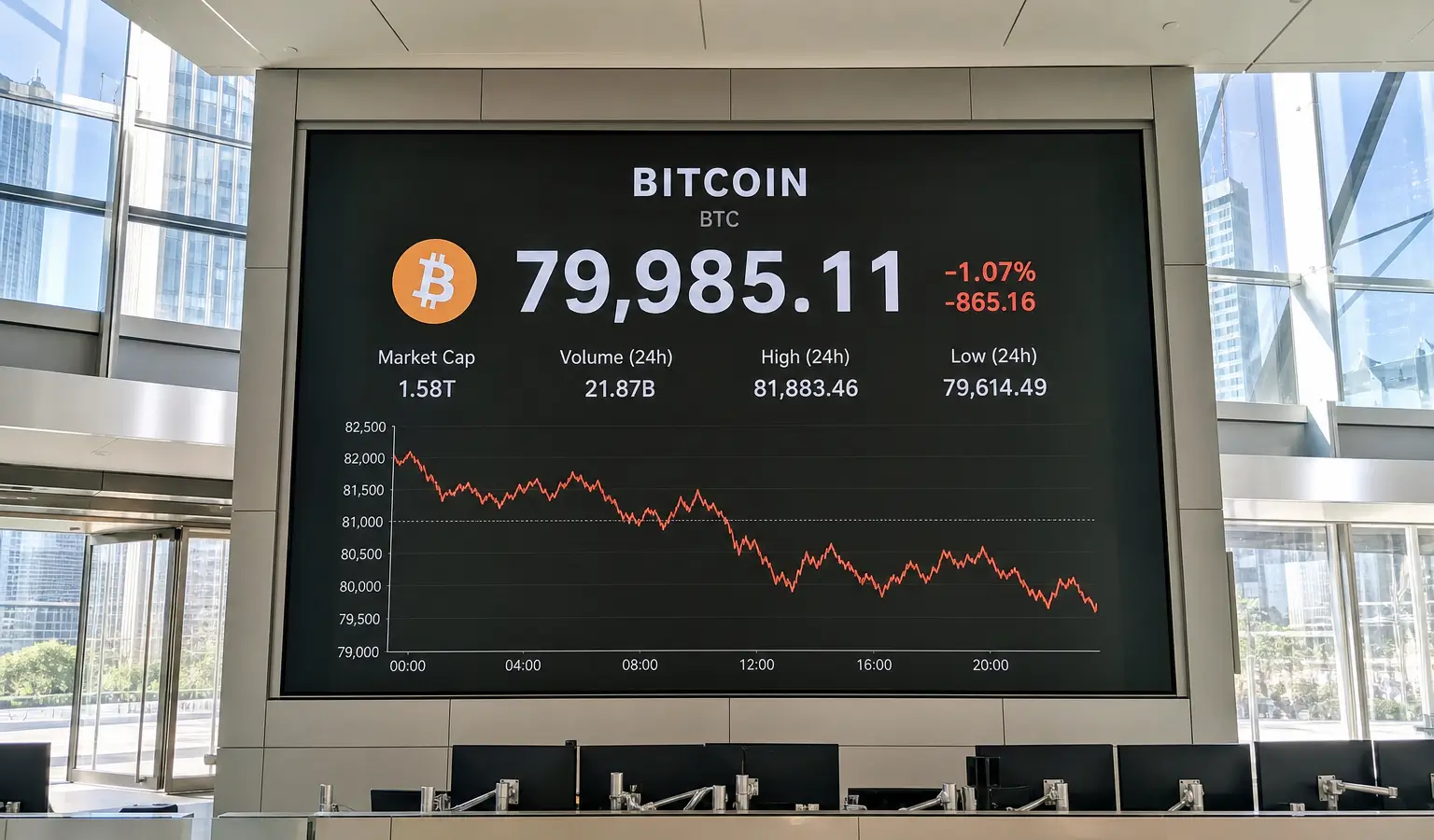
Historically, lower interest rates have been good for risk assets, including Bitcoin. According to Geoffrey Kendrick, head of Digital Assets Research at Standard Chartered, weaker oil prices strengthen the case for cryptocurrencies as attractive investments. Even with these macro factors, Bitcoin is still under pressure, with the price currently around $64,213 (€55,400), down about 16% from a month ago and well below the peak of more than $126,000 (€108,700) in October. That fits into a broader market where U.S. inflation data are still shaping expectations for interest rate policy.
Why This Matters for European Crypto Investors
For European investors, the oil surplus and possible drop in energy prices could matter because they may affect broader economic conditions and, in turn, the crypto market. Lower inflation and interest rates in the United States could also indirectly affect European markets, which may create opportunities or risks for crypto investments in Europe. That makes it important to keep a close eye on developments in the global energy market.