India Warns 15 Crypto Exchanges Over AML Rules
FIU-IND is targeting platforms like Weex, Blofin, and WhiteBIT that serve Indian customers without registration. The move fits into India’s tougher AML enforcement against offshore exchanges.
Key Takeaways
- India’s FIU-IND sent 15 offshore crypto exchanges a non-compliance notice over alleged violations of anti-money laundering rules.
- The named platforms serve Indian customers without the required registration, which has been in place since March 2023 for providers with Indian users.
- The regulator also warns about crypto products and NFTs, which India says are unregulated and very risky.
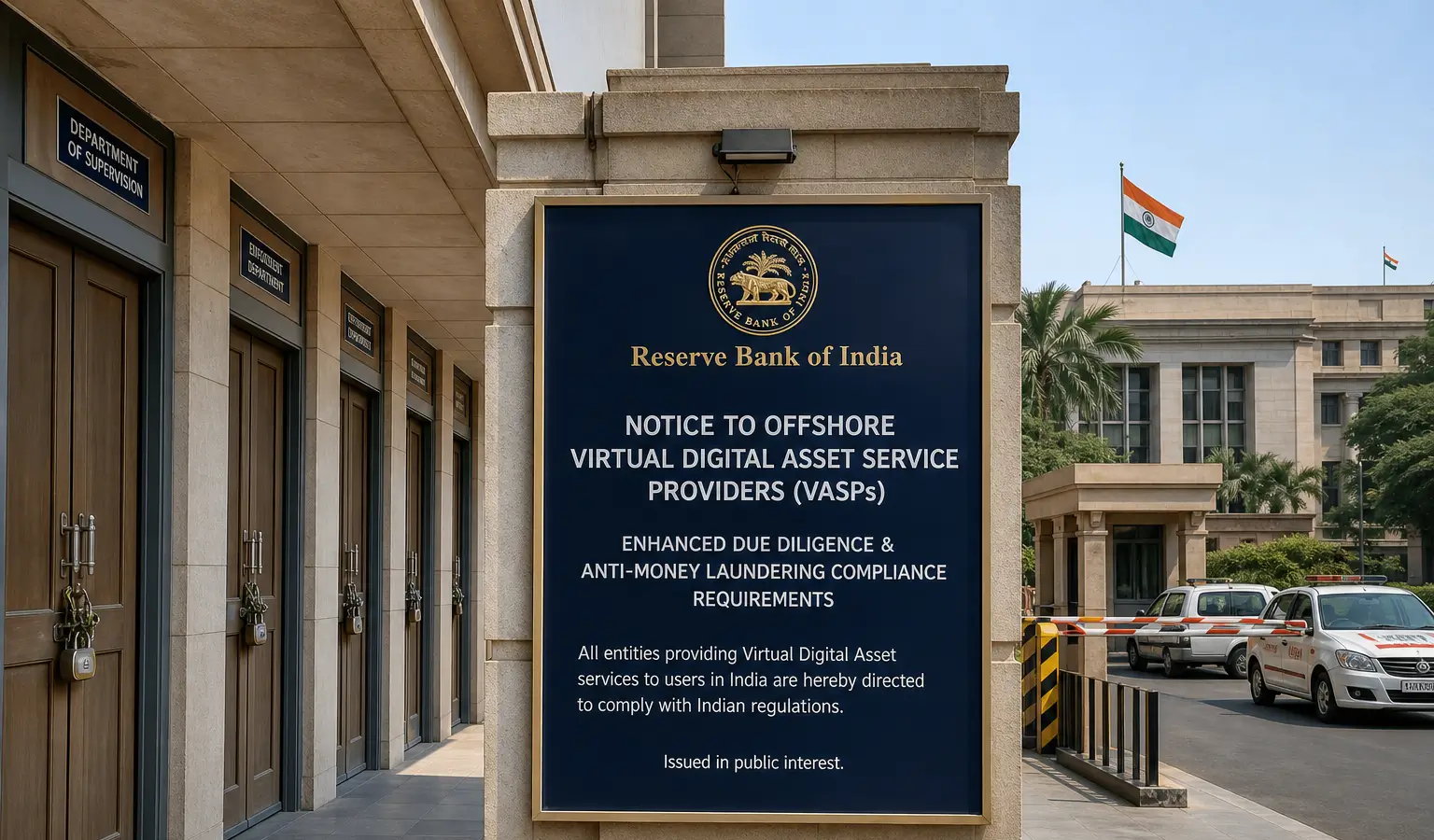
India’s financial intelligence agency has called out 15 offshore crypto exchanges for not meeting anti-money laundering rules, according to the regulator. The Financial Intelligence Unit-India, or FIU-IND for short, sent non-compliance notices on Tuesday under Section 13 of the Prevention of Money Laundering Act to small and mid-sized providers serving Indian customers.
Which Platforms Were Named
The official notice names Weex, Blofin, Rezorex, Bitunix, DigiFinex, Toobit, XT.com, Latoken, WOO X, Pionionex, ChangeNow, SimpleSwap, Fixedfloat, WhiteBIT, and Guardarian as violators. According to FIU-IND, these are firms offering services without registering with the regulator, even though that is required for anyone serving Indian customers, including companies with no office in India.
That registration requirement has been in effect since March 2023. Since then, crypto platforms have had to follow the same anti-money laundering rules as banks. That includes keeping customer records, verifying users, and reporting suspicious transactions to the government.
Stricter Oversight in India
The move fits into a broader push for tighter oversight. In March 2026, FIU-IND had already issued blocking orders against similar offshore platforms, and earlier it also went after big names like Binance, Kraken, and KuCoin. Binance later registered with the unit and paid a fine of INR 18.82 crore for AML violations.
The regulator also warned Indian users about crypto products and NFTs. According to FIU-IND, these are unregulated and can be very risky, with possibly no regulatory path for losses. That lines up with the broader stance of Indian authorities, who have long pointed to the risks of crypto assets and want more control over trading flows.
Why This Also Matters Outside India
For European crypto readers, the big takeaway is that India is cracking down harder on platforms that serve customers across borders without registration. That affects not just exchanges, but also how stablecoins and other tokens are moved and converted through foreign routes. The mix of enforcement, reporting requirements, and possible blocks shows that regulators around the world are putting more pressure on crypto companies that operate outside their own jurisdictions. Elsewhere, regulators are also taking a tougher line: Australia recently removed dozens of providers from its registers after compliance problems and concerns about money laundering risks.