Lighter Burns 15.5 Million LIT in First Revenue-Funded Supply Cut
The perpetuals exchange is linking its supply cut to trading revenue and recording the burn on-chain. Staking rewards and a concentrated LIT supply help cushion the impact.
Key Takeaways
- Lighter is burning about 15.5 million LIT for the first time using trading revenue, equal to 6.3% of the circulating supply.
- The burn follows a late-June tokenomics update, where repurchased tokens are sent straight to an Ethereum burn address.
- LIT was trading around $2.54, while staking rewards of about 7.5 million LIT per year offset part of the supply reduction.
Lighter is using trading revenue to permanently shrink the LIT supply for the first time. The perpetuals exchange is burning about 15.5 million LIT, or 6.3% of the circulating supply, after buying back the tokens with trading revenue through the end of Q2 2026.
New Tokenomics in Action
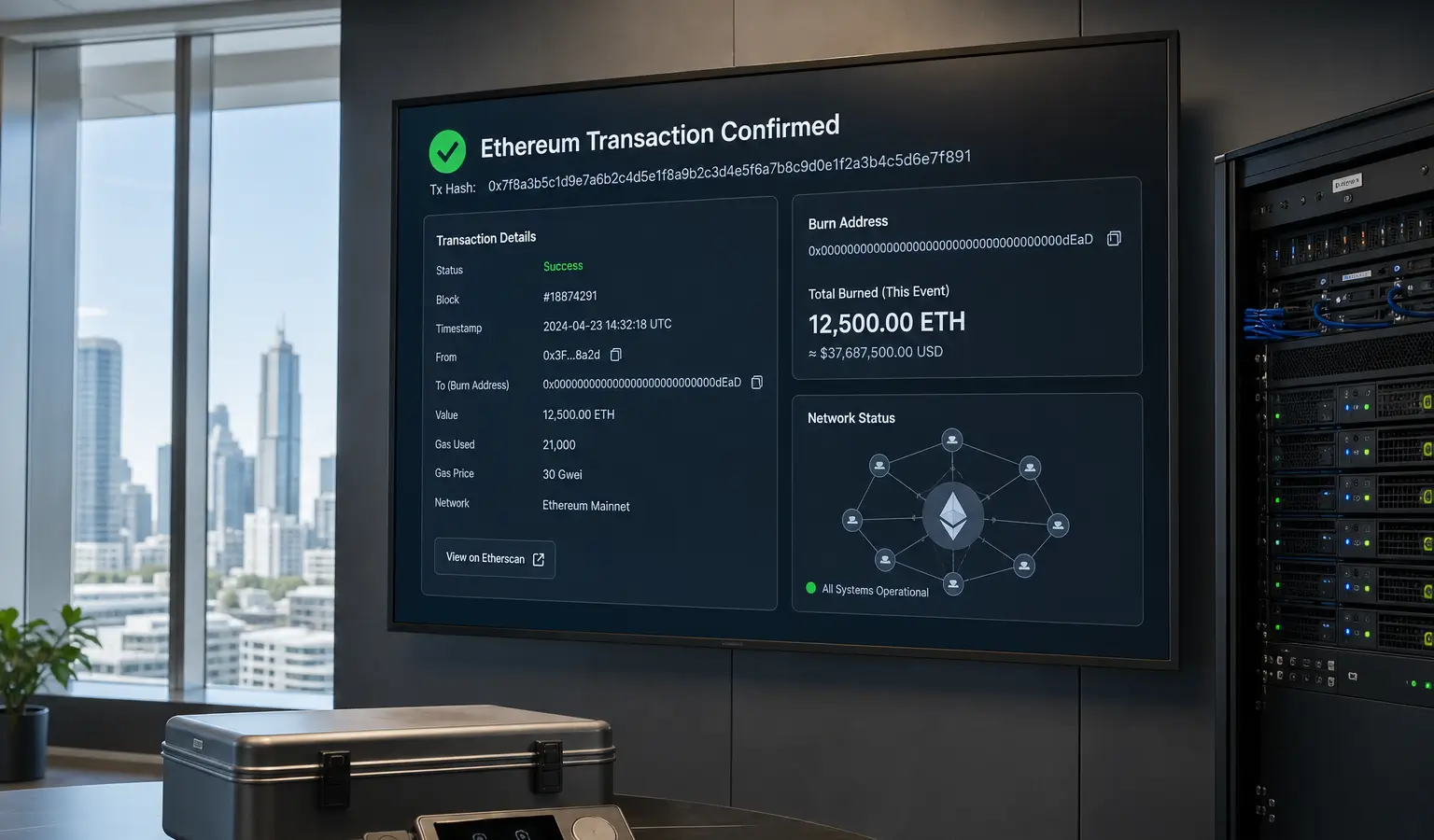
This is the first burn under a tokenomics change announced in late June. Under the updated setup, Lighter no longer leaves buybacks sitting in treasury. Instead, the repurchased tokens are turned directly into supply cuts. The company said the tokens are sent to an Ethereum burn address once the onchain transaction is complete, and it also publishes the transaction hash so the burn can be checked later.
The model reflects a pattern that is becoming more familiar across crypto markets: fee revenue is used to remove tokens from circulation rather than just accumulate on the balance sheet. Lighter previously said traders have paid about $69 million in fees since LIT launched in December, including about $2.8 million (€2.4 million) over the past month. The company also said it can burn unallocated tokens, which it describes as economically equivalent.
What This Means for LIT
LIT was trading around $2.54 (€2.22) on July 10, up about 8% over the past 24 hours. At that price, the burn is worth roughly $39 million (€34.1 million). That puts the token more than three times above its March low of around $0.78 (€0.68), though it still trades below its December all-time high of $7.86 (€6.88).
Still, the supply picture is not as simple as the burn headline suggests. The same tokenomics update also includes about 7.5 million LIT a year in staking rewards, which offsets part of the one-time reduction in supply. That makes the net effect less straightforward than it may first appear.
Why This Matters for Investors
For European crypto readers, the main takeaway is that Lighter is tying the burn to actual revenue instead of fresh issuance. That makes the token model easier to understand, especially because the company is also pointing to a steady USD revenue stream through its partnership with Circle and the USDC balance on the platform. At the same time, LIT’s high concentration means a large share of the supply is held in relatively few wallets, which makes the token’s market structure even more important.
The move also fits a broader trend in which exchanges are expanding their business models and connecting revenue more directly to token value, like Coinbase.