UK Takes a Bigger Step Toward a Crypto Regime With the FCA and BoE
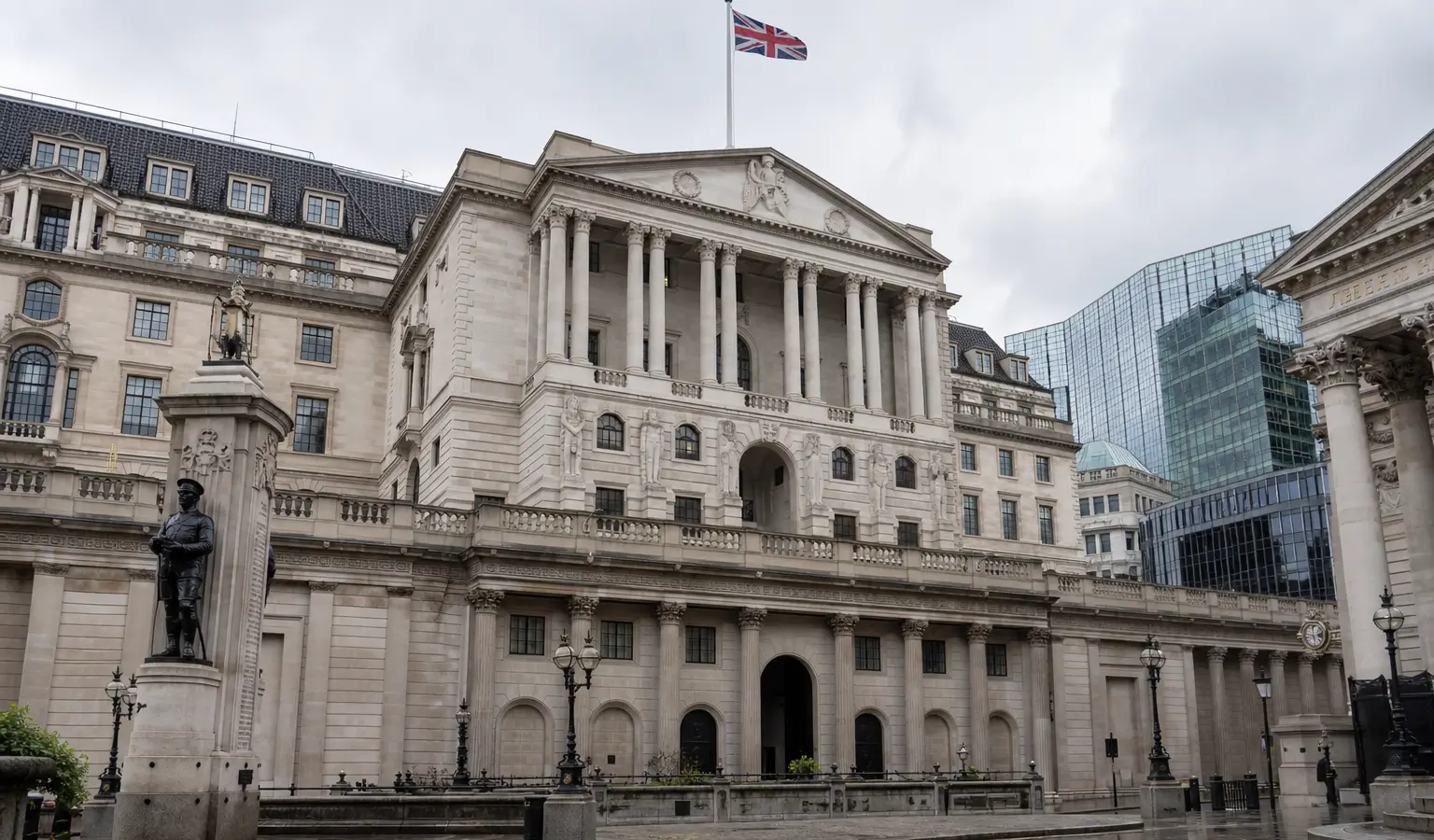
The FCA and Bank of England are mainly easing the rules around stablecoins and reserves. The UK wants to give crypto companies more clarity, in line with MiCA in the EU.
Key Takeaways
- The United Kingdom is moving more decisively toward a full crypto regime, with new steps from the FCA and the Bank of England.
- The FCA has finalized its crypto rules, while the Bank of England cut the reserve requirement for stablecoin issuers from 40 to 30 percent.
- Big parts of the UK framework still need to be defined, and getting authorized under the new regime by October 2027 will be an important milestone.
The United Kingdom is taking a more concrete step toward a full crypto regime after years of moving slowly. Fresh measures from the Financial Conduct Authority and the Bank of England are designed to give crypto companies, stablecoin issuers, and institutional players a clearer path to operate under a predictable framework, even though the rulebook is still incomplete.
Rules Are Getting More Concrete
When Rishi Sunak floated the idea of a UK cryptoasset hub in 2022, it sounded bold. For a long time, though, it mostly stayed a promise on paper. Now, the latest moves from regulators suggest London is getting more serious about the sector. Last month, the FCA finalized its crypto rules, including guidance on capital requirements, permissions, disclosures, and the wider conduct framework for crypto firms.
The Bank of England has also stepped back from earlier plans for strict limits on fiat-backed stablecoins. At the same time, it lowered the reserve requirement issuers must hold at the central bank from 40 percent to 30 percent. Chet Shah, CEO of Wirex Limited, an FCA-regulated fintech company in London, said this is the clearest sign yet that the UK is not just discussing crypto, but trying to put a workable regime in place.
From Caution to Course Correction
That change follows a stretch in which the UK crypto industry repeatedly complained about slow licensing, unclear rules, and strict FinProm requirements for consumer marketing. The Bank of England’s earlier stablecoin proposals, released in November 2025, also faced heavy criticism. Those plans included caps of £20,000 for individuals and £10 million for businesses holding systemic sterling stablecoins.
Regulators now appear more open to market feedback. Later this year, the FCA and the Bank of England will continue reviewing how the rules should apply once a stablecoin issuer is designated as systemic. That is an important signal, because it suggests the UK is trying to make its approach not only tougher, but also more workable in practice.
Why This Matters for Europe
For European crypto watchers, the main point is that the UK is trying to close the gap with jurisdictions that moved faster on clarity. In the EU, MiCA already created more predictability around stablecoins, while the US used the GENIUS Act to establish enforceable standards for reserves, redemption, and custody. The UK’s approach shows why rules need to do more than exist on paper. They also have to function for companies operating across several markets.
The next major test arrives around October 2027, when companies active in the UK will need to be authorized under the new regime. A large part of the framework is still unfinished, including DeFi guidance, infrastructure rules for companies using distributed ledger technology, and the tax treatment of investment instruments. That leaves one open question: whether the UK can keep its new direction politically as well as regulatorily.