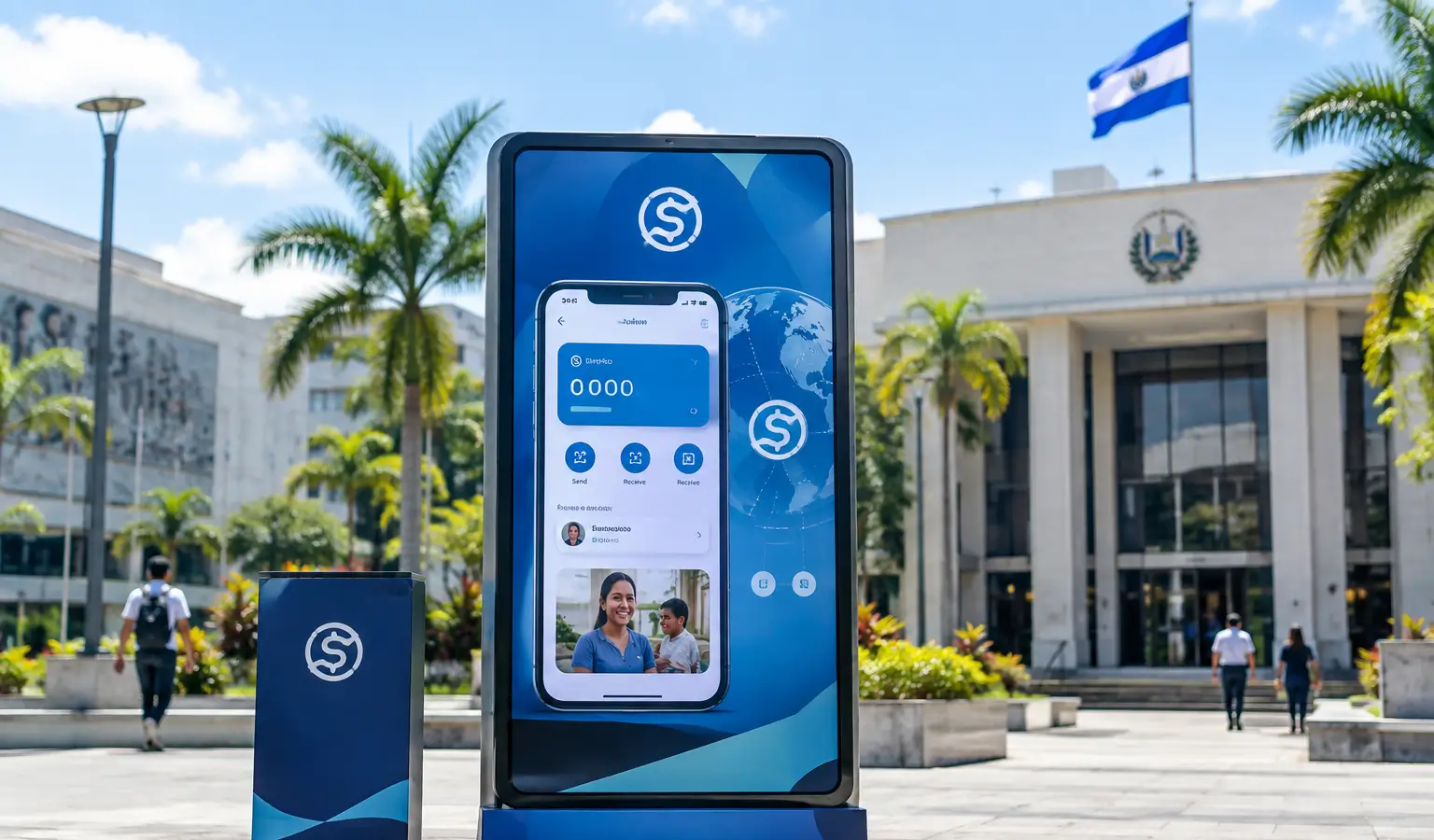
Open USD Goes Live With $1 Billion in Support From Coinbase and Visa
The stablecoin runs on Ethereum, Solana, Base, and Tempo, with liquidity from Coinbase, Mastercard, Shopify, Stripe, and Visa. Open Standard is aiming for payments and settlement, not just trading.

Key Takeaways
- Open Standard has launched Open USD on Ethereum, Solana, Base, and Tempo with more than $1 billion in committed liquidity.
- The stablecoin is meant to be used for banking, cross-border payments, card settlement, institutional trading, and lending.
- The economic value is split through contributions to OUSD growth, while stablecoins are increasingly seen as payment infrastructure.
Open Standard has put its dollar stablecoin Open USD live on Ethereum, Solana, Coinbase’s Base, and Stripe-backed Tempo. The rollout comes with more than $1 billion (€0.9 billion) in committed liquidity from Coinbase, Mastercard, Shopify, Stripe, and Visa. The issuer is betting on a model where distribution and usage matter more than one dominant player.
New Stablecoin Launches
Open USD, or OUSD, was announced back in June and is now officially live. According to CEO Zach Abrams, the token is meant to work as a digital dollar for banking, cross-border payments, card settlement, institutional trading, and lending.
The timing stands out because the stablecoin market has now grown to about $314 billion (€277 billion). That market is still heavily concentrated: Tether’s USDT and Circle’s USDC still make up the biggest share, while new players are trying to gain market share through distribution and liquidity. That fits into a broader shift where major payments and banking companies are increasingly treating stablecoins as payment infrastructure, like in the link between stablecoin payments and Coinbase.
Partners Share in the Growth
Open Standard is choosing a different way to split the economic value. The five founding partners each get an equal initial equity stake, but according to Abrams, they do not get a special revenue deal. Instead, rewards are tied to how much OUSD supply and activity they drive.
That model is also supposed to apply to broader partners in the network. Open Standard says most of the equity over the next four to five years will be distributed among founders and non-founders based on their contribution to OUSD growth. The company expects the founding group to later expand to around 10 to 12 companies.
Why This Matters in Europe
For European crypto readers, the key point is that stablecoins are increasingly being seen as payment infrastructure, not just as a trading tool on crypto exchanges. The rise of tokens backed by banks and payment companies shows that the fight over stablecoins is not only about issuance, but also about where liquidity and usage come together. That could matter now that European players, such as bank consortia around a euro stablecoin, are working on similar models. In Europe, it also matters that Bridge already received a MiCA license, which shows how important regulated distribution is becoming for this kind of payment rail.