OpenAI Case Lands in Federal Court After Hidden Recorder Found
OpenAI used its models to analyze the device; the FBI is now investigating a possible espionage case involving internal AI conversations and company secrets.
Key Takeaways
- A former OpenAI engineer is facing court in the U.S. after a hidden recorder was found in one of the company’s meeting rooms.
- OpenAI says it used its models to analyze the device and identify the employee, after which the case was handed over to the FBI.
- U.S. prosecutors see the case as a possible counterintelligence case involving sensitive AI and company information.
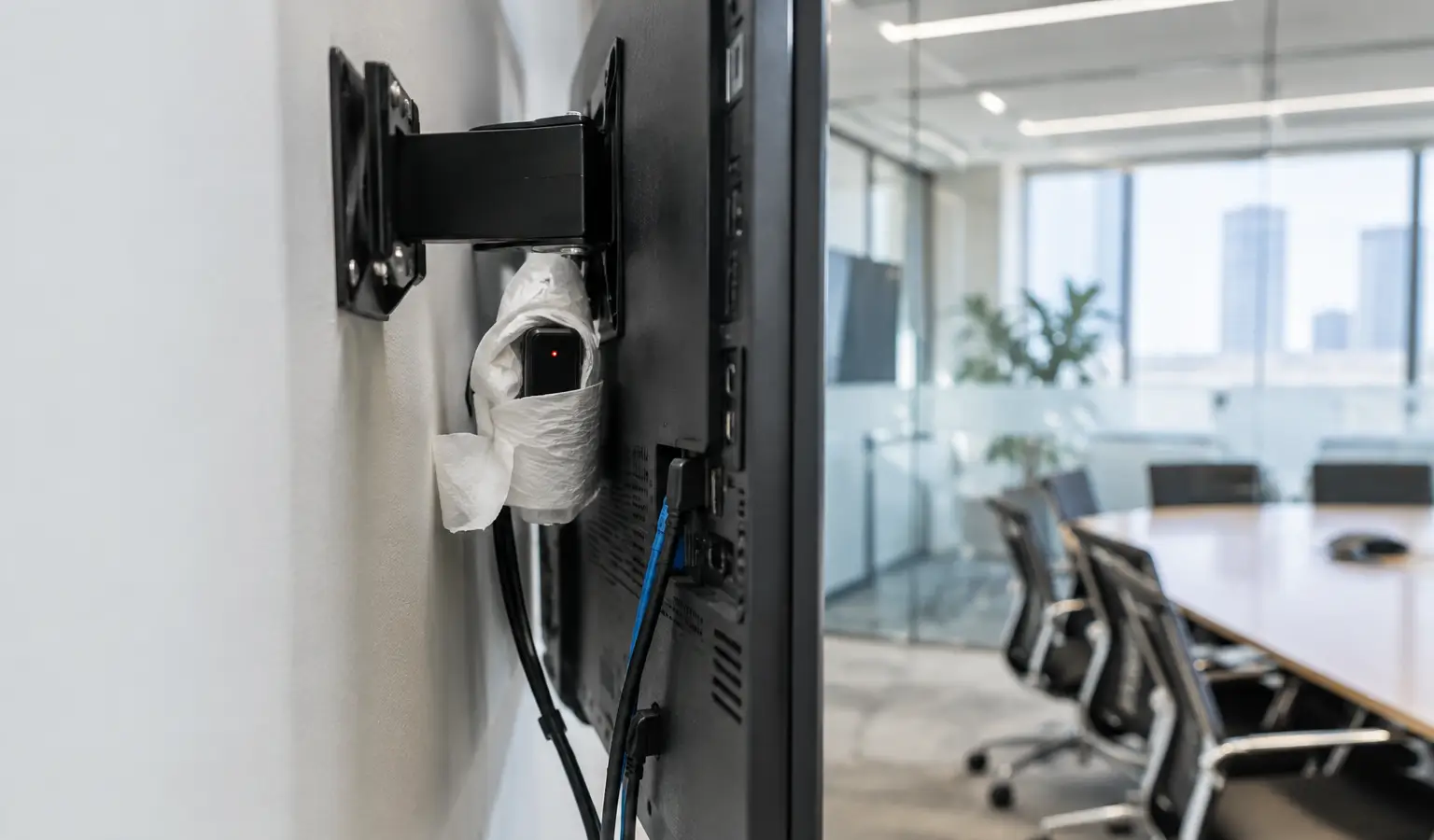
A former OpenAI engineer is appearing before a federal judge in the United States after a recorder was found in one of the company’s meeting rooms, wrapped in toilet paper and connected to a TV. According to the indictment, Abdulrahman Alfozan, 35, allegedly placed the device and later looked behind the TV. OpenAI says it used its models to analyze the device and identify the employee, after which it passed the case to the FBI.
How the Case Started
The indictment lays out a timeline that begins in July 2025, when Alfozan was reportedly working as an engineer at OpenAI. Between August 17 and September 16, he allegedly used a productivity tool to ask about meeting rooms, calendars, and places where executives gather. According to the indictment, camera footage places him near the room on 10 days, even though he did not have access to it.
An chatbot account that is said to be linked to his spouse also plays a role in the file. That account allegedly asked between September 24 and 30 how to build an audio recorder and how to encrypt an SD card. On September 27 and 28, the same account also reportedly referred to the MAC address of the recovered device, a network identifier for hardware.
What OpenAI and Prosecutors Say
OpenAI dates the placement of the device to around September 28. On September 30, employees found the recorder in the back of a TV, wrapped in toilet paper and plugged into power. On October 5, cameras allegedly showed Alfozan looking behind the TV. The security team later found a second, similar recorder in a bag he had left behind.
U.S. prosecutors are framing the case as more than just an internal security incident. According to the indictment, the room was regularly used for conversations about proprietary research, product plans, business development, and government contacts. The Department of Justice links the case to a presidential memorandum on U.S. leadership in super intelligence, the term the government uses for artificial intelligence. FBI Director Kash Patel called protecting that innovation a major counterintelligence priority.
OpenAI says it has no indication that the person involved accessed or took model weights, source code, or customer data. Alfozan has been fired, is being held pending a detention hearing on October 19, and is still presumed innocent.
Why This Matters Beyond OpenAI
The case shows how quickly AI security and classic espionage questions can overlap. For European readers, the big takeaway is that regulators and law enforcement are increasingly treating AI as a strategic target, not just a software issue. That could also affect how companies secure meeting rooms, internal tools, and access to sensitive information.
U.S. security agencies have already warned that frontier AI can make cyberattacks faster, because the time between finding a vulnerability and exploiting it keeps getting shorter. That makes incidents like this not just an internal security problem, but also a broader issue of digital resilience.