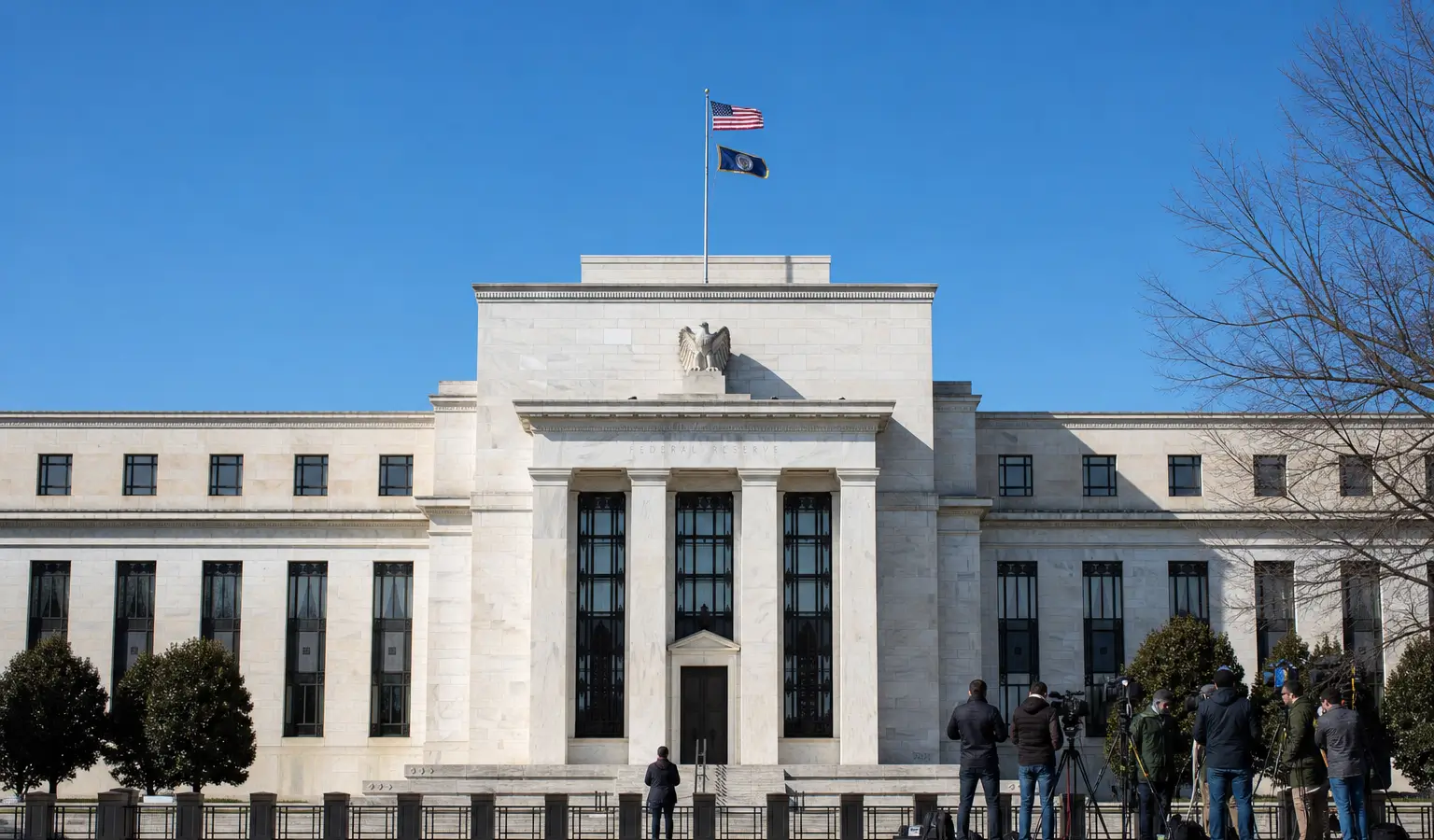
RBI Holds the Line on Crypto Ban Despite Tax Warnings
The central bank is worried about risks to banks and the rupee, while the tax department points to underreporting through offshore exchanges and P2P trading.
Key Takeaways
- The Reserve Bank of India still wants banks and financial institutions to stay away from crypto assets and privately issued stablecoins.
- India’s tax department says compliance gaps are a major problem, since many crypto gains go unreported and offshore trading is difficult to monitor.
- Officials also worry that wider crypto adoption could drive capital outflows and add pressure to India’s already fragile external balance.
The Reserve Bank of India is keeping its hard line on crypto, effectively maintaining a ban, even as the country’s tax department raises fresh concerns about compliance gaps. That’s according to government documents reviewed by Reuters. The position has not shifted, despite the growing global push toward tokenization, stablecoins, and strategic reserves among governments and investment banks.
RBI Still Strongly Against Crypto
The central bank has consistently pushed banks and financial institutions to avoid any exposure to crypto assets or privately issued stablecoins, whether through holding, trading, or indirect involvement. In the RBI’s view, that helps reduce the risk of contagion across the wider financial system. Its concerns are not limited to dollar-pegged tokens either. The bank has also warned about rupee-pegged stablecoins, saying they could weaken seigniorage and create stress during periods of market volatility.
That caution reflects India’s broader approach, which has left the crypto industry in a gray zone for years. After the Supreme Court struck down the RBI’s 2018 ban, crypto was no longer outright blocked, but it still was not brought under a clear regulatory framework. A 2021 proposal to ban private cryptocurrencies was never introduced, and policy talks have been pushed back again and again.
Tax Department Sees Big Gaps
The government’s concerns are not just about financial stability. Tax officials are also worried about widespread underreporting, especially because activity on offshore exchanges and peer-to-peer platforms is difficult to trace, even when transactions are settled in rupees. In the fiscal year through March 2023, fewer than a quarter of the 645,000 people who traded crypto reported those gains on their tax returns.
That makes enforcement difficult in a country where nearly 39 million people own crypto, out of a population of almost 1.5 billion. As of May, those investors held about $2.1 billion (€1.8 billion) in digital assets. For European readers, it is a clear example of how wide the gap can be between adoption and regulation: even with massive user numbers, a government can still opt for tight restrictions instead of folding the market into the formal system.
Pressure From External Vulnerability
India’s resistance to crypto is also tied to broader macroeconomic risks. The country depends heavily on energy imports and has been dealing with persistent current account deficits. When tensions with Iran pushed oil prices higher, India’s energy bill climbed and the rupee sank to record lows. Officials worry that broader crypto adoption could accelerate capital outflows outside the traditional banking system, adding even more strain to the external balance.