Robinhood Gets Dubai License, But Launch Is Delayed Until 2027
DFSA approval opens the door to stocks, ETFs, crypto, and tokenized assets in the DIFC, but the rollout will not come until 2027.
Key Takeaways
- Robinhood received a license from the DFSA to serve retail investors in the Middle East, but the products will not go live until 2027.
- The license would cover 10 approved asset classes, including stocks, ETFs, crypto, and investment tokens.
- Robinhood is entering a crowded market in Dubai, where eToro, Interactive Brokers, Baraka, Kraken, and Bybit are already active.
Robinhood has received a license from the Dubai Financial Services Authority (DFSA) to serve retail investors in the Middle East. However, the products will not go live until 2027. Notably, the approval was already granted on July 20, three months before the public announcement.
What the License Covers
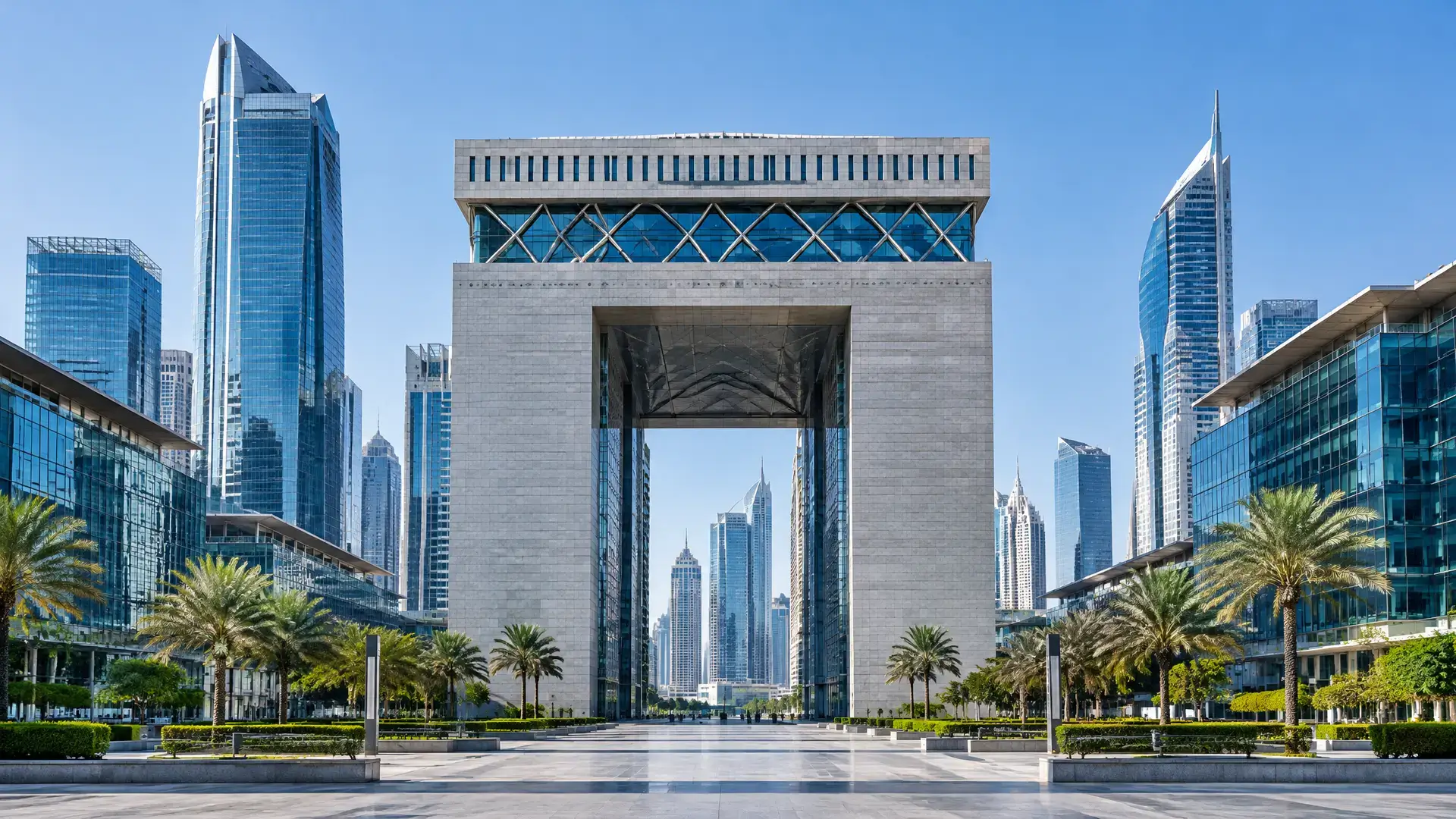
Robinhood MENA Limited will operate from the Dubai International Financial Centre, better known as DIFC. According to the company, the license covers all 10 asset classes approved by the DFSA, including stocks, ETFs, crypto, and investment tokens, or tokenized securities.
Still, the public registration appears to be a bit more limited. It mainly lists licenses for brokering transactions, including futures and options. That suggests trading and custody may run through other group entities.
Vlad Tenev, chairman and CEO of Robinhood, said the DIFC is one of the world’s most important financial hubs and that the expansion brings the company closer to a global platform for high-quality financial assets.
Crowded Market in Dubai
The move fits into a year in which Dubai has further established itself as a financial hub. In September, the DIFC was named the world’s best FinTech center by the 40th Global Financial Centres Index. In July, the center had more than 10,000 active registered companies, including 1,134 regulated financial service providers.
That puts Robinhood into a market where many players are already active. According to DFSA data, there are already 72 brokers in the DIFC, up from 49 in 2022. Among others, eToro, Interactive Brokers, and the local app Baraka already serve investors in the United Arab Emirates.
Competition in the Gulf
For crypto-native firms, things are moving even faster. Standard Chartered already started spot crypto trading in Dubai earlier, showing how quickly traditional banks are also entering the same market. Kraken received full approval from the Dubai Virtual Assets Regulatory Authority on October 12, with a launch expected within a few weeks. That move also includes xStocks, tokenized equities. Bybit added a VARA license for spot trading on Thursday.
Robinhood has not yet said exactly which countries it will serve. For European and Middle Eastern crypto followers, this mainly shows how quickly Dubai is becoming a market where traditional brokers, crypto exchanges, and tokenization players are increasingly crossing paths.