Samsung Brings Stablecoins to 800 Million Phones
Samsung Wallet is getting stablecoin features on 800 million devices, while the company is also leaning on Dunamu for the infrastructure behind it. In South Korea, the rules for issuance and oversight are still being worked out.
Key Takeaways
- Samsung is rolling out stablecoin support by default on 800 million new smartphones through Samsung Wallet.
- The integration is meant to make stablecoins easier to access without a separate crypto app or exchange account.
- Samsung is tying the wallet rollout to investments in Dunamu and broader digital asset infrastructure.
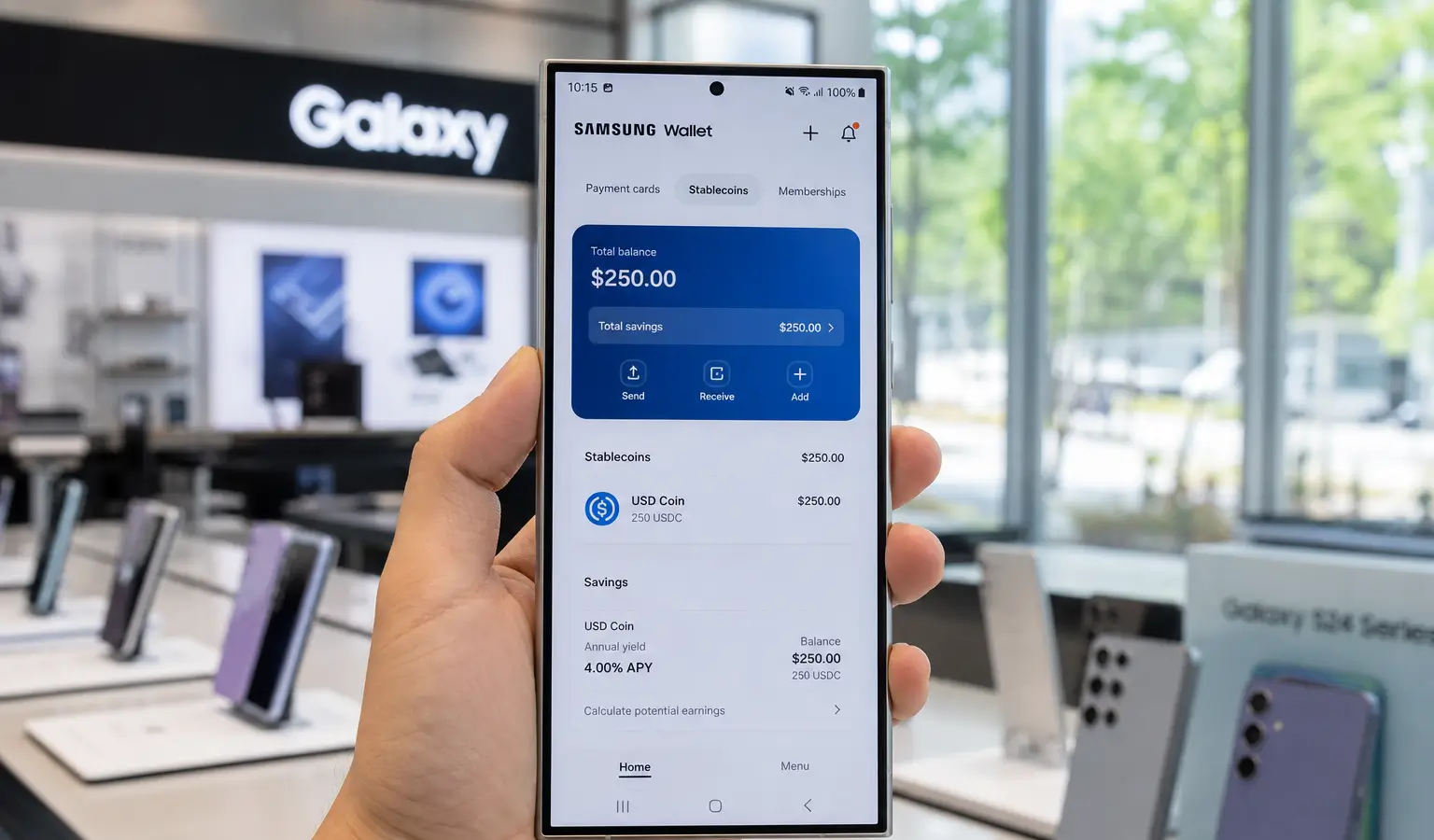
Samsung is making stablecoin support a default feature on 800 million new smartphones. For the South Korean tech giant, that is a major move as it looks to play a bigger role in how crypto reaches everyday users. People familiar with the matter say the Samsung Wallet integration could also cut out one of the biggest hurdles to adoption by letting users access stablecoins without needing a separate crypto app or exchange account.
Wallet as a Distribution Channel
Samsung has been adding crypto tools to its ecosystem for some time. The digital asset wallet launched in 2019 through Knox, the hardware-isolated vault that can be opened with a fingerprint or PIN. It supports storing and managing crypto, including Bitcoin, Ether, and Tron, and it can also connect external hardware wallets such as Ledger's Nano S and Nano X to a Galaxy device.
At Galaxy Unpacked 2026, Samsung said the broader Samsung Wallet expansion will also include fiat-pegged savings and payment accounts, along with stablecoin features. The company did not offer a forecast for adoption and did not say how many people are currently using its existing crypto tools. Still, product manager Lee Dinham said Samsung Wallet has nearly 19 million users in South Korea and is available in 61 countries.
Joseph Goh of Areta said distribution is the rare asset in this market. He described Samsung as a possible major distributor for stablecoins like USDC. Ben Nadareski of Solstice also sees the rollout as another sign that crypto is moving closer to everyday payments, since stablecoins are being built into an app people already use for cards and checkout.
More Than Just a Wallet
The wallet rollout is only one part of the plan. During the Q2 earnings call, Samsung SDS CEO Lee Jun-hee said the company’s stake in Dunamu, the operator of crypto exchange Upbit, is a strategic investment aimed at digital asset infrastructure, including stablecoins and AI-powered payments. In May, three Samsung affiliates agreed to buy a combined 4 percent stake in Dunamu for $408 million (€354 million).
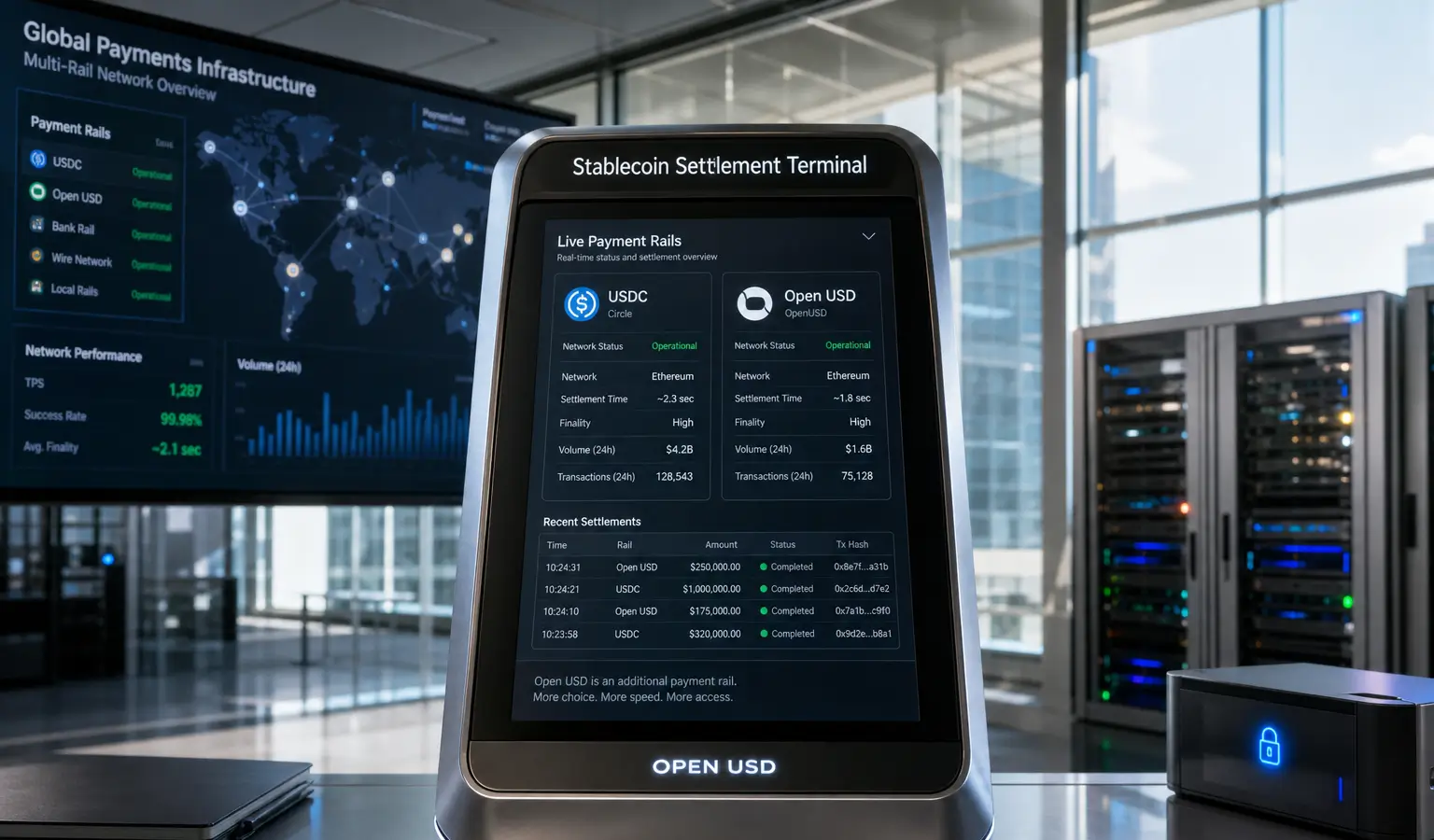
Goh said that pairing is the heart of the strategy: Samsung Wallet is the distribution layer, while SDS and Dunamu are meant to supply the infrastructure behind it. In other words, Samsung appears to be betting not just on a simple user interface, but also on the plumbing that makes payments and settlement work.
Why This Matters
For European crypto readers, the move is notable because it shows stablecoins being built into products people already use, rather than kept inside separate crypto platforms. That could shape how wallets, payment apps, and exchanges compete over the next few years. It also underscores that regulation and infrastructure still matter, since South Korea is still working through the legal framework for trading, custody, oversight, and stablecoin issuance.
South Korea released a draft of the Digital Asset Basic Act in April, but there is still no timeline for approval or for the new rules to take effect. That makes Samsung’s timing stand out, especially as the company leans on both wallet distribution and Dunamu-linked infrastructure while the legal framework is still being built.