Visa, Mastercard, and Coinbase Ease Concerns Around Open USD
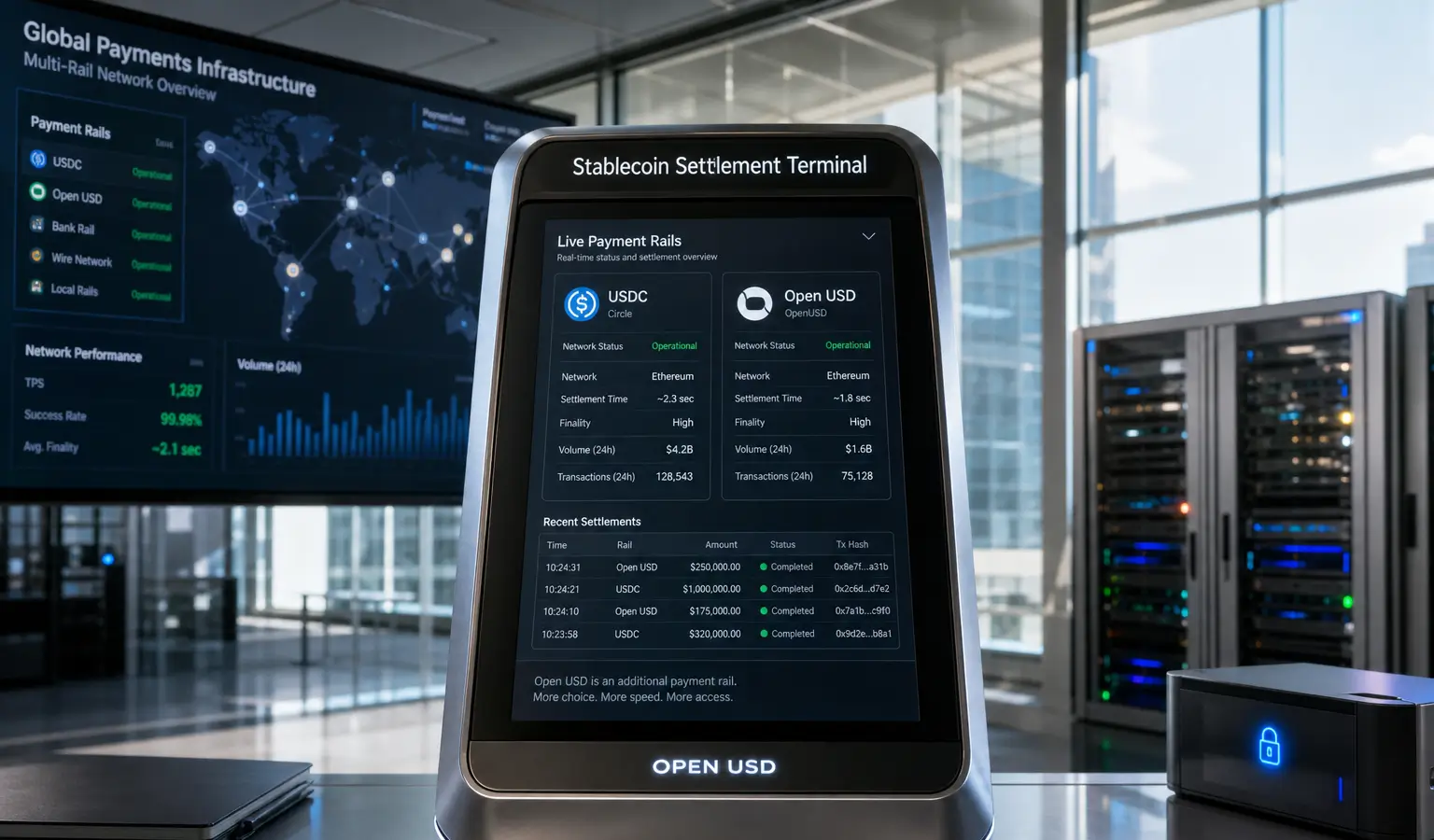
Coinbase, Visa, and Mastercard say Open USD is mainly an extra payment rail. The companies will also keep supporting USDC, USDT, and PYUSD, which is sharpening competition among stablecoin issuers.
Key Takeaways
- Coinbase says its relationship with Circle is still intact and that it will keep expanding the USDC ecosystem.
- Visa and Mastercard call themselves multi-coin and see Open USD as an extra payment rail, not a replacement for USDC.
- Major payment networks are increasingly treating stablecoins as payment infrastructure instead of a niche product.
Open USD sparked fresh questions about Circle and its USDC last month, but the companies behind the project are now pushing back on that interpretation. Coinbase, Visa, and Mastercard say they plan to keep backing multiple stablecoins, and they view Open USD mostly as an added payment rail rather than a straight substitute for USDC.
The Market Read Too Much Into the Launch
When Open Standard unveiled Open USD, the backing from Coinbase, Visa, and Mastercard was quickly taken as a direct challenge to Circle and its $72 billion (€62.5 billion) USDC stablecoin. Circle’s market value dropped by billions of dollars, and its stock at one point fell 20 percent, with the shares still not fully recovering.
The reaction is a good example of how quickly the stablecoin market is evolving. A sector once led mainly by crypto-native issuers like Circle is now drawing in banks, payment networks, and fintech firms as regulation opens the door to wider use. The competition is shifting away from just issuing tokens and toward the rails, exchanges, and financial platforms that actually deliver those tokens to users.
Coinbase Sticks With USDC
On last week’s earnings call, Coinbase said its relationship with Circle is still in place. CFO Alesia Haas said the company has already met the conditions needed to renew its commercial agreement with Circle and will continue working to grow the USDC ecosystem.
CEO Brian Armstrong again described Coinbase as a multi-stablecoin platform. He said the exchange wants to support the stablecoins its customers actually use. Coinbase already supports USDC, Tether’s USDT, and PayPal’s PYUSD, and it sees Open USD as another way to generate revenue.
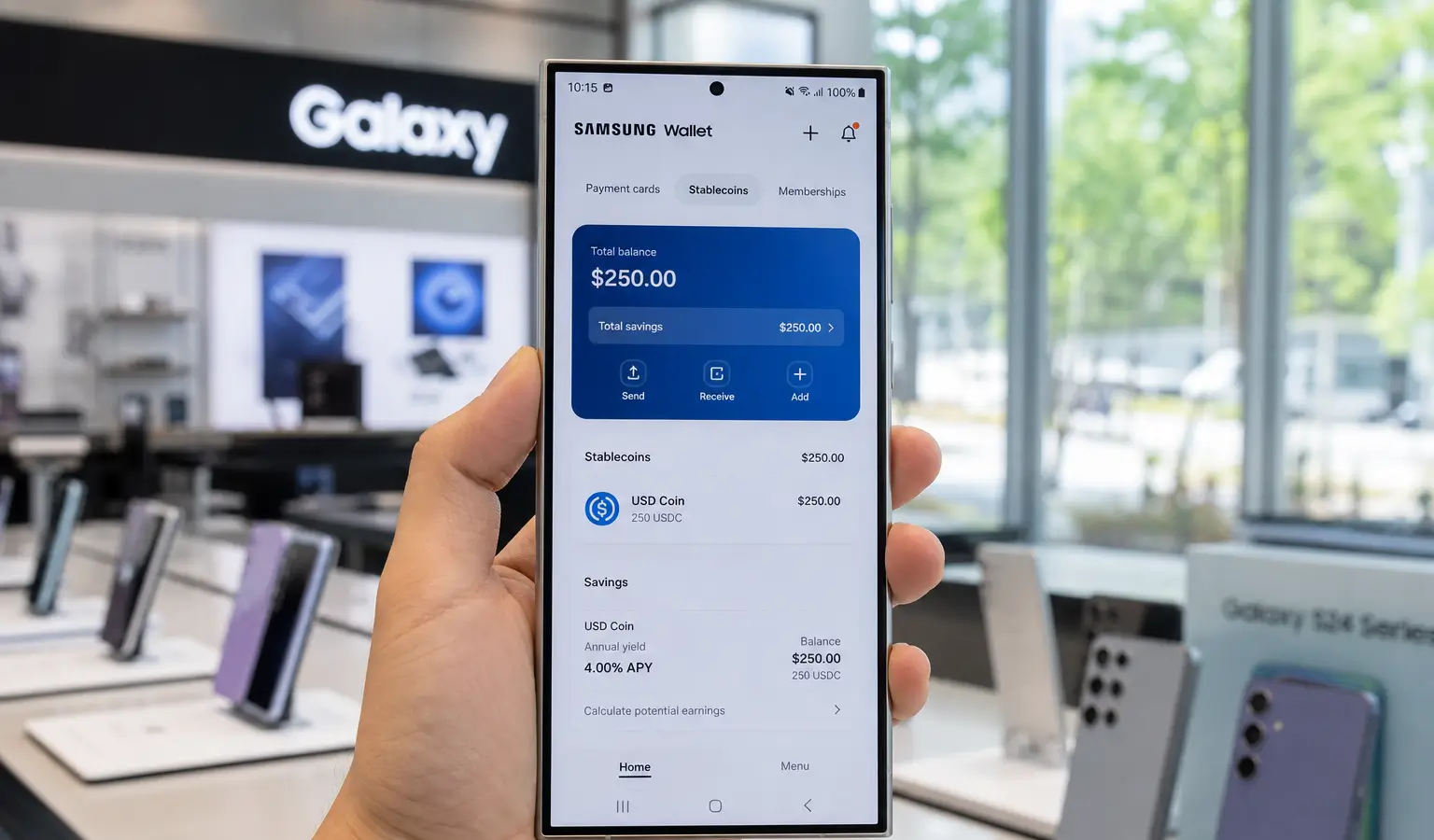
Visa delivered a similar message on its own earnings call. CEO Ryan McInerney said the company is multi-coin and multi-chain, and that Visa helps customers connect with the stablecoins that are gaining real traction. The company put that approach into practice last month with the Visa Stablecoin Platform, which gives banks, fintechs, and payment providers a way to access, store, redeem, and move stablecoins, with OUSD as the first supported token.
Mastercard took the same stance. CEO Michael Miebach said the company already supports USDC, Paxos’ Global Dollar Network, and other stablecoins, and sees Open USD as simply another coin that can be turned on across its network. He said choice remains important. At the same time, he noted that governance cannot be handled by all 140-plus partners, since that would make the project unworkable.
Why This Matters for Europe
For European crypto readers, the main takeaway is that major payment networks are no longer treating stablecoins as a niche crypto product. They are increasingly viewing them as payment infrastructure. That could make competition even tougher between issuers, exchanges, and payment rails, even as several players chase the same market. Consortium models like Open USD also show that stablecoins are being seen more and more as shared financial infrastructure, not just standalone tokens.