SBI Holdings Picks Solana for Stablecoins and Tokenization
The Japanese financial group is moving from Corda to a public Solana network, with a focus on stablecoins, tokenized RWAs, and payment infrastructure.
Key Takeaways
- SBI Holdings is moving its blockchain initiative to Solana for stablecoins and tokenized real-world assets.
- SBI Solana Global now has the Solana Foundation as a shareholder, alongside SBI Holdings and Sumitomo Mitsui Financial Group.
- SBI is expanding its digital asset strategy with the planned purchase of crypto exchange Bitbank for about $289 million.
SBI Holdings is shifting its blockchain initiative to Solana as it looks to build out stablecoins and tokenized real-world assets. Through SBI Solana Global, formerly known as SBI R3 Japan, the Japanese financial group says it wants to link the domestic market with global liquidity while taking a larger role in Asia’s onchain finance sector.
New Direction for SBI Solana Global
The joint venture now counts the Solana Foundation among its shareholders, alongside SBI Holdings and Sumitomo Mitsui Financial Group. That marks a clear break from its earlier setup around Corda, the permissioned blockchain developed by R3, and a move toward a network better known for fast processing and low fees.
According to SBI, the venture will handle the issuance and distribution of stablecoins, help structure and distribute tokenized RWAs, and build payment infrastructure for AI agents. In other words, SBI is not only focused on tokenization itself, but also on the infrastructure needed to issue, move, and settle those assets.
Why Solana Fits Here
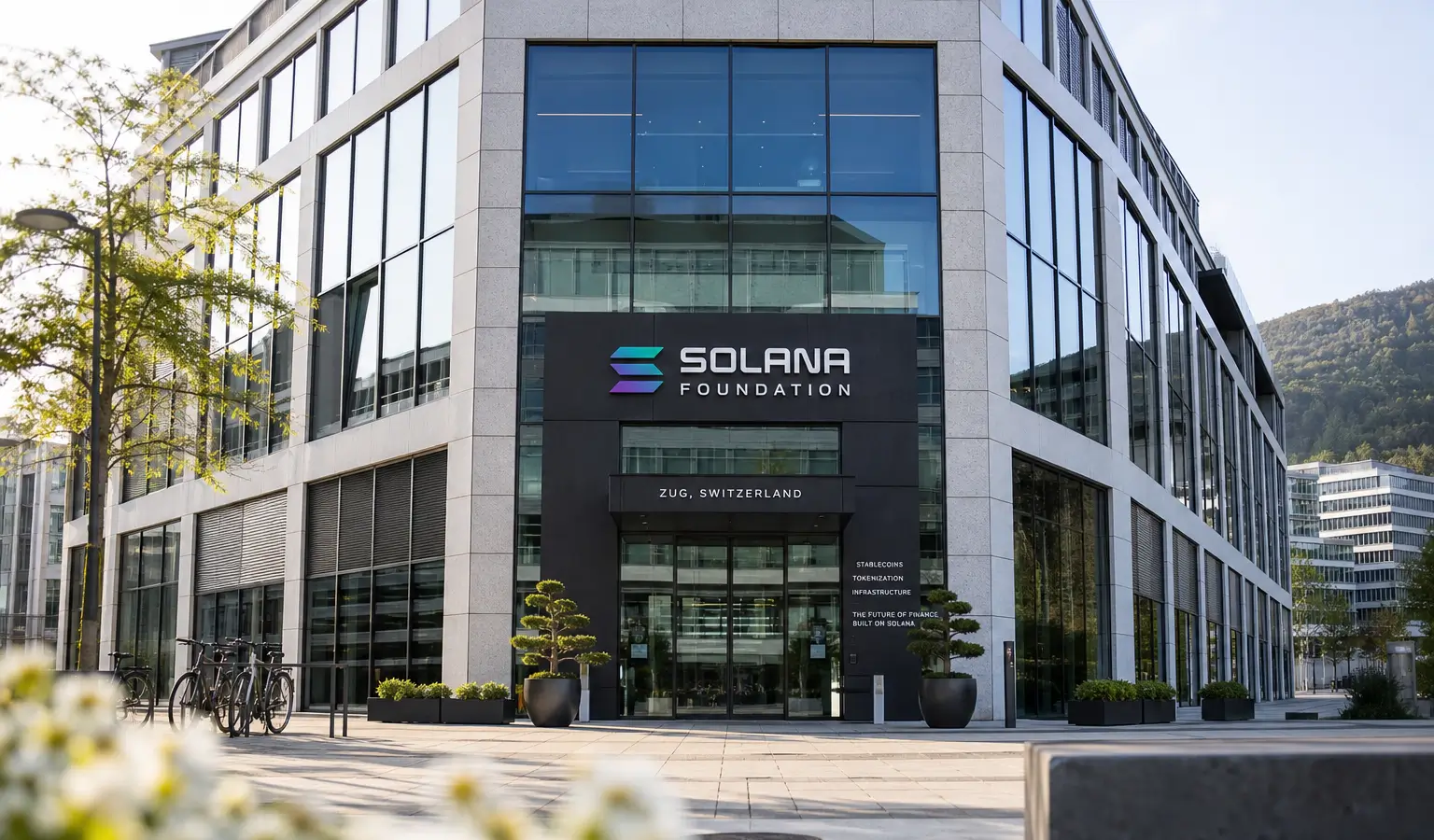
The Solana Foundation is based in Zug, Switzerland, and oversees the layer-1 network. That is relevant for SBI, which has been working with blockchain in financial services for years. One example is its earlier collaboration with Ripple on Money Tap, a payment platform designed for real-time transfers between regional financial institutions in Japan.
Its partnership with R3 points to the same long-running interest in blockchain use cases across business and finance. The move to Solana follows that same path, but with a different technical and market angle, putting more weight on a public network and on access to international liquidity.
Solana is also seeing more real-world use. MoneyGram recently used the network for stablecoin payments, a sign that the infrastructure is being tested more often in actual payment flows.
A Signal for the Japanese Market
For European crypto readers, the main takeaway is that a major Japanese financial group is treating blockchain less like an experiment and more like part of core financial infrastructure. If stablecoins and tokenized assets continue to roll out on a network like Solana, it could offer a useful example of how traditional finance is trying to connect onchain products with existing markets.
The timing also fits SBI’s wider digital asset push. Last month, the company agreed to buy Japanese crypto exchange Bitbank for about $289 million (€253 million), underscoring that it is still expanding its footprint in the sector.