SEC Gives Tokenized Securities Venues Five Years of Breathing Room
The exemption applies only to tokenized assets with real share ownership and temporarily opens the door for automated market makers and liquidity pools on blockchain platforms.
Key Takeaways
- The SEC is introducing an Innovation Exemption for tokenized securities venues, with a five-year conditional exemption from exchange registration.
- Under certain conditions, platforms may use automated market makers and liquidity pools for tokenized securities that represent real share ownership.
- Synthetic security tokens are excluded from the exemption, while the SEC is also working on further rules for onchain trading and digitization.
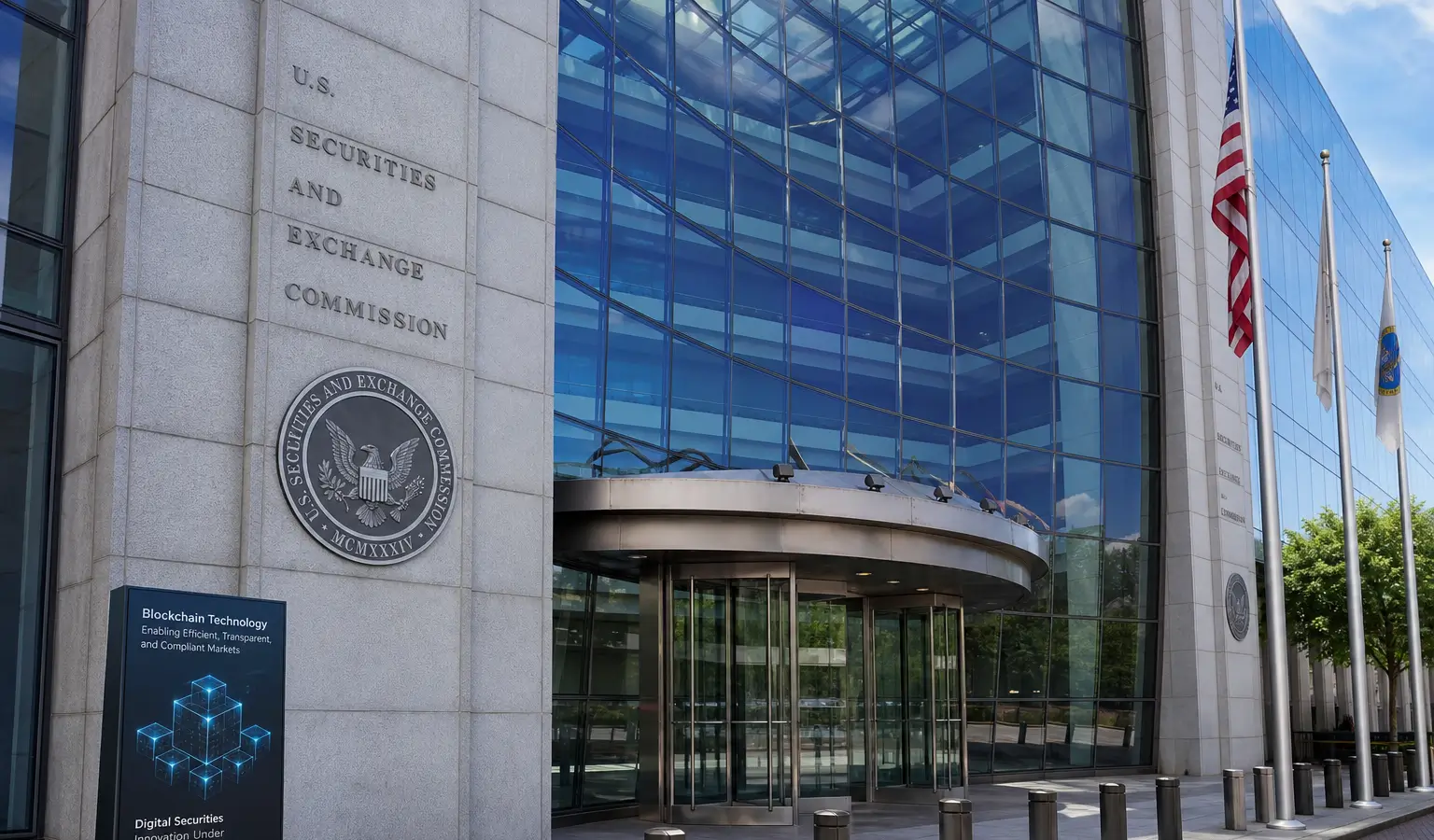
The U.S. Securities and Exchange Commission on Thursday unveiled a long-awaited exemption for blockchain platforms that want to list and trade tokenized securities. The so-called Innovation Exemption gives these venues a five-year conditional exception to the requirement to register as an exchange, as long as they meet the regulator's conditions.
What the SEC Allows
The rule makes it possible for tokenized securities venues to offer automated market makers and liquidity pools for trading tokenized securities. According to the SEC, that lets platforms use algorithmic automation to match buyers and sellers without immediately falling under the full definition of an exchange.
The regulator is making it clear, though, that this only applies to tokens that truly represent ownership of the underlying shares. That means holders must have the same rights as they would with traditional securities, including dividend rights and voting rights. Synthetic security tokens, which mainly function as derivatives and do not give real share ownership, are excluded from the exemption.
Why This Matters
For European crypto and market watchers, this is especially relevant because the SEC is taking a cautious approach to onchain trading in traditional financial markets. The move shows that tokenization is no longer just an experiment, but is also becoming part of concrete regulatory rules in the United States. Pressure is also growing elsewhere to legally define tokenized securities; in Europe, market participants recently urged regulators not to make the room for tokenized securities too small.
At the same time, the exemption is temporary and conditional. The SEC wants companies to first operate in a limited environment while the regulator still looks at whether extra rules will be needed later for a broader rollout of onchain trading.
Political Room for Tokenization
The timing is notable. The Senate let a broader crypto market structure bill fail this week, giving the SEC more room to act within its own authority. SEC Chair Paul Atkins said the regulator wants to provide certainty for American investors and entrepreneurs as capital markets continue to digitize.
The SEC had already made an initial proposal for new crypto rules and on September 1 also wanted to modernize transfer agent rules from 40 years ago, with explicit room for blockchain-based registration of securities ownership. Later on Thursday, the regulator is also hosting a roundtable on 24-hour trading, a concept that is already normal in crypto but could still be a major shift for traditional markets.