South Korea Moves Toward Tokenized Stocks and Bonds
The FSC and FSS want to first test tokenization for funds and bonds, with stablecoin settlement coming later. The plan fits into broader Asian moves around digital capital markets.
Key Takeaways
- South Korea wants to tokenize traditional securities and settle them with stablecoins starting in February 2027.
- The regulators are following a three-phase roadmap, starting with funds, bonds, and fractional securities.
- The plan fits into a bigger regional trend where Asian markets are integrating blockchain and stablecoins faster.
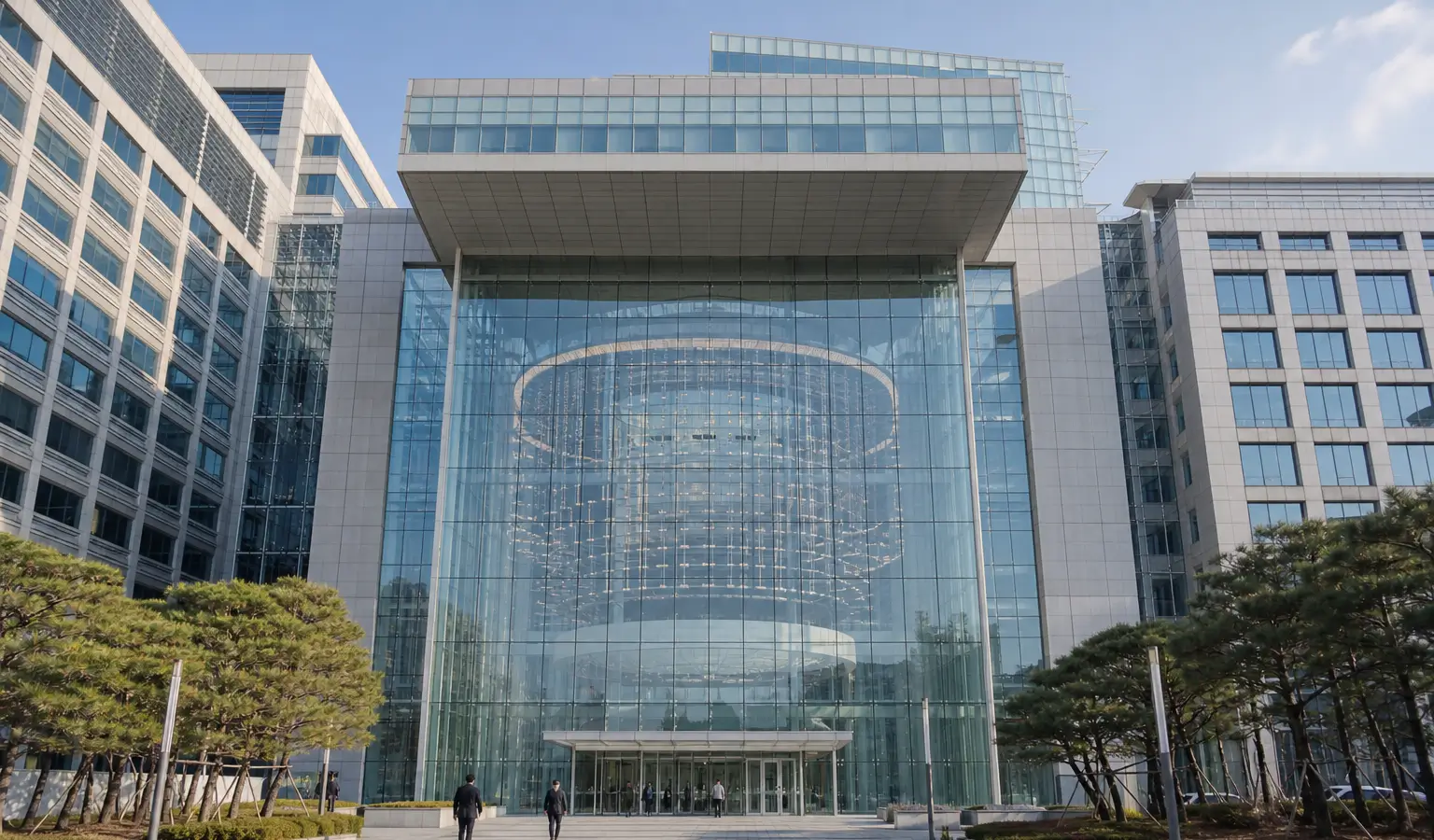
South Korea wants to build infrastructure starting in February 2027 that would let traditional securities like stocks, bonds, and funds be tokenized and settled with stablecoins. With that, the country’s financial regulators are taking another step in modernizing capital markets, going beyond the current focus on fractional investment products.
Three Phases Through 2027
The Financial Services Commission (FSC) and the Financial Supervisory Service (FSS) laid out a three-step roadmap on Friday. In the first phase, which is set to begin in February 2027, it will cover money market funds, bonds for institutional investors, unlisted stocks through trust structures, and publicly offered fractional securities.
After that, tokenization is expected to expand to all publicly offered securities. In the third phase, onchain payment infrastructure linked to stablecoins will be introduced. For those later steps, the timing depends on the outcome of phase one, technical adoption by market participants, and stablecoin legislation that still needs to be passed.
A Market at Large Scale
According to the FSC, the government wants to make the issuance and circulation of more traditional securities possible in digital form, with the goal of modernizing capital market infrastructure. The regulator ties that to a market that is already large and active: South Korea has 11.3 million verified crypto users and a stock market where daily trading is often comparable to that on crypto exchanges.
The region is moving fast too. Japan announced plans last week for a national blockchain settlement system for stocks and government bonds, while Singapore finalized its stablecoin licensing framework this week. An OECD report also said that Asia accounted for 30% of global stablecoin trading in 2025.
What This Means for Europe
For European crypto and market watchers, this shows how quickly stablecoins and blockchain are starting to play a role in settling traditional financial products. South Korea’s plan could matter for firms that are watching how regulators want to build tokenization into existing market structures step by step. The mix of securities, stablecoins, and existing licenses makes it especially interesting for anyone focused on the practical side of digital capital markets. Regulators elsewhere are also working on similar infrastructure: in the U.S., for example, the SEC wants to modernize transfer agent rules for blockchain, so securities administration lines up better with tokenization and digital records.