Stablecoins and Tokenization Need to Help Capital Move Faster
LMAX Group sees stablecoins as a faster settlement layer, while tokenization makes collateral and securities programmable. The debate also touches on MiCA, the IMF, and the role of non-bank players.
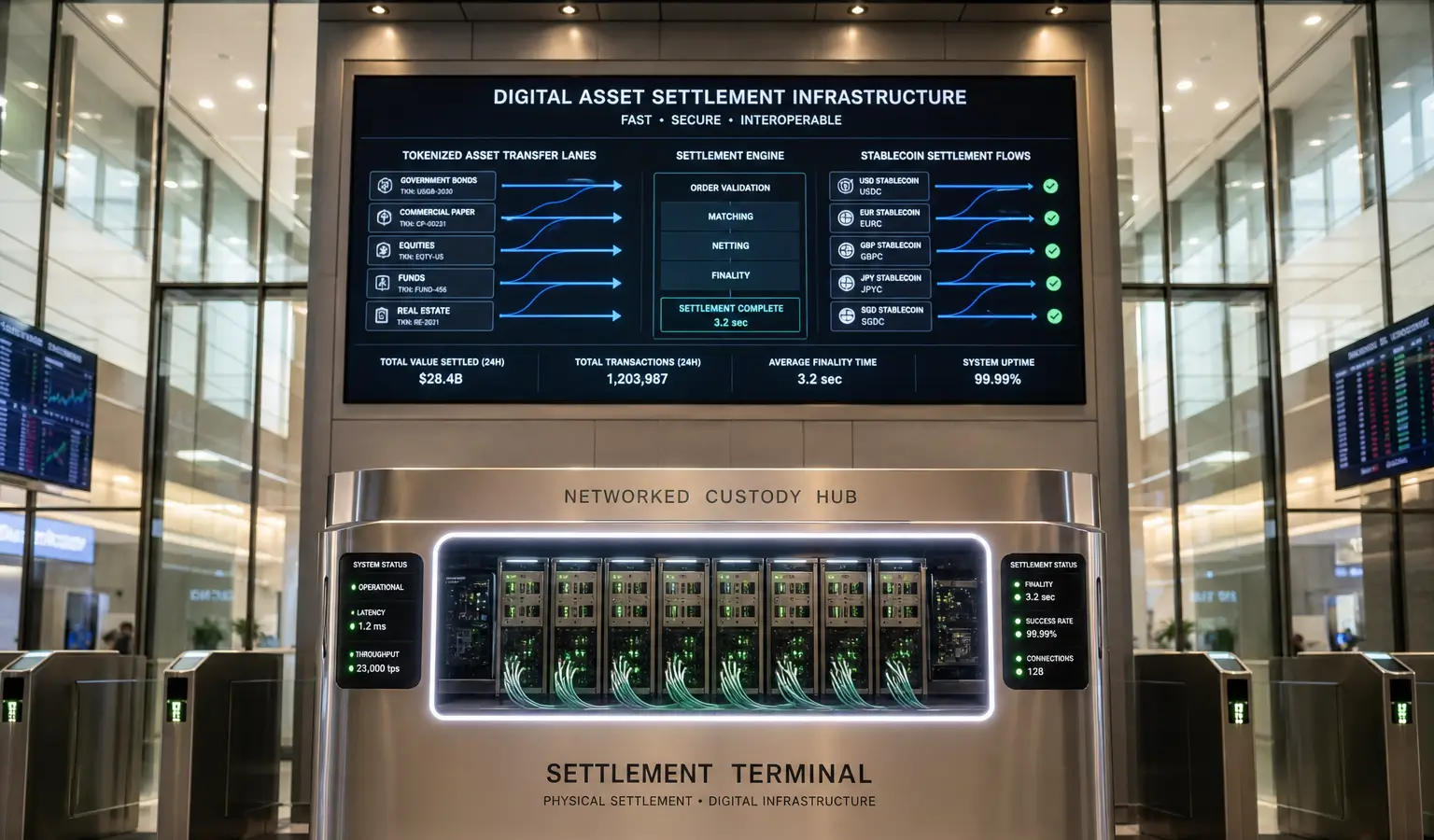
Key Takeaways
- LMAX Group says capital is not scarce, but often stuck because of batch processing, cut-off times, and slow settlement.
- Jenna Wright sees stablecoins as a cash-like settlement layer that can move faster than traditional T+1 and T+2 processes.
- Tokenization is meant to make assets movable, so collateral and ownership can be pledged, transferred, or released faster.
Capital, according to LMAX Group, is not scarce, but often in the wrong place at the wrong time. In the latest Crypto Long & Short, managing director Jenna Wright says recent volatility showed how quickly markets come under pressure when collateral and cash are still stuck in batch processing, cut-off times, and settlement cycles, while risk is repriced every minute.
Market Structure Is Falling Behind
Wright says this is no longer a back-office problem, but a market structure problem. Institutions can support positions only so well when collateral is spread across venues, custodians, asset classes, and jurisdictions. As a result, liquidity gets thinner, spreads widen, and price moves become sharper than they need to be.
The core of her argument is that much of market infrastructure was still built for fixed trading hours and end-of-day processes, while digital assets trade 24 hours a day and FX and derivatives are increasingly moving toward continuous trading. In January, LMAX Group saw this play out in practice, according to Wright: more than $300 billion (€260 billion) in volume in one week, including $60 billion (€52 billion) in gold products, while some parties were forced out of positions because assets could not be moved fast enough out of stock or bond portfolios.
Stablecoins as a Settlement Layer
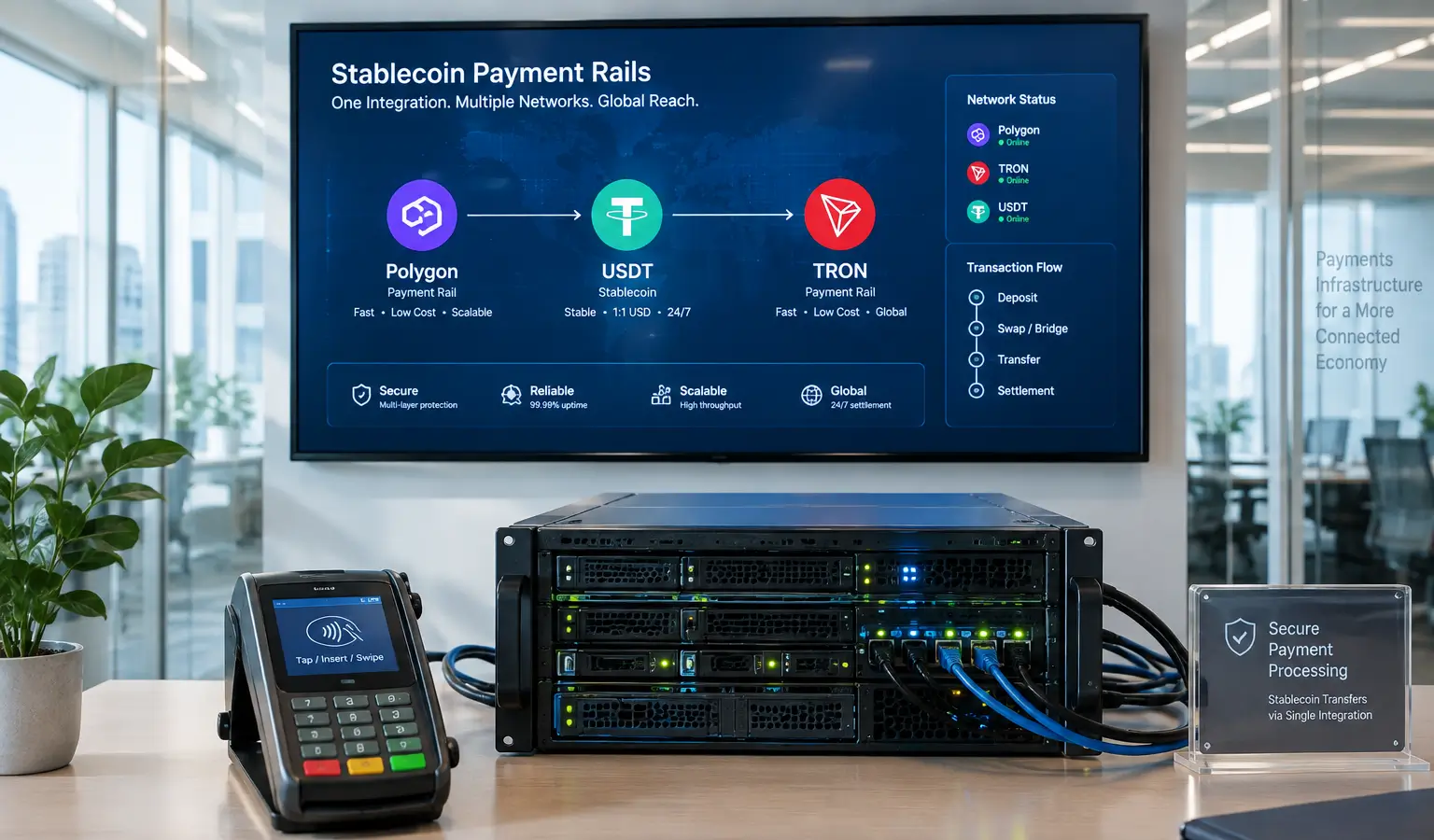
That is why Wright puts stablecoins forward as more than a crypto novelty. She sees them as cash-like value that can move with the speed and programmability of digital assets, especially at a time when many players still rely on T+1 or T+2 settlement, nostro and vostro accounts, and hard cut-off times. The stablecoin market is now around $320 billion (€277 billion), while on-chain transfer activity is at record levels according to the industry.
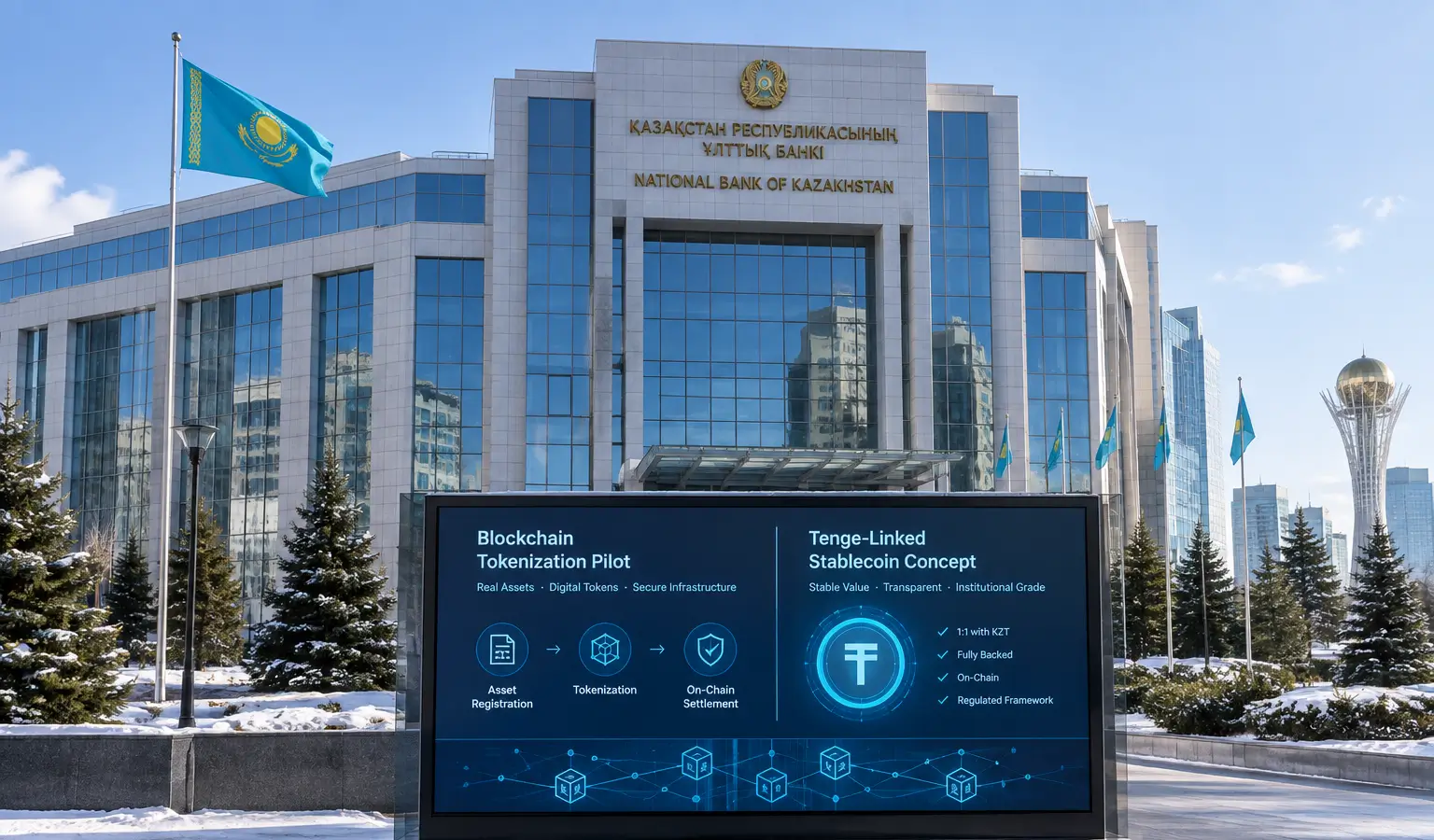
For European crypto and financial readers, that matters because tokenized cash and stablecoins are increasingly being discussed as part of financial infrastructure, not just as trading tools. The IMF points out that tokenized securities can make atomic delivery versus payment possible, which can reduce counterparty risk and operational friction. The Federal Reserve Bank of Boston also says stablecoins and tokenization are quickly changing the architecture of the financial system, with a growing role for non-bank players. Banks and payment networks are already testing that direction in practice too, such as Visa, which is rolling out stablecoin settlement and tokenization tools further.
Tokenization Needs to Move Assets
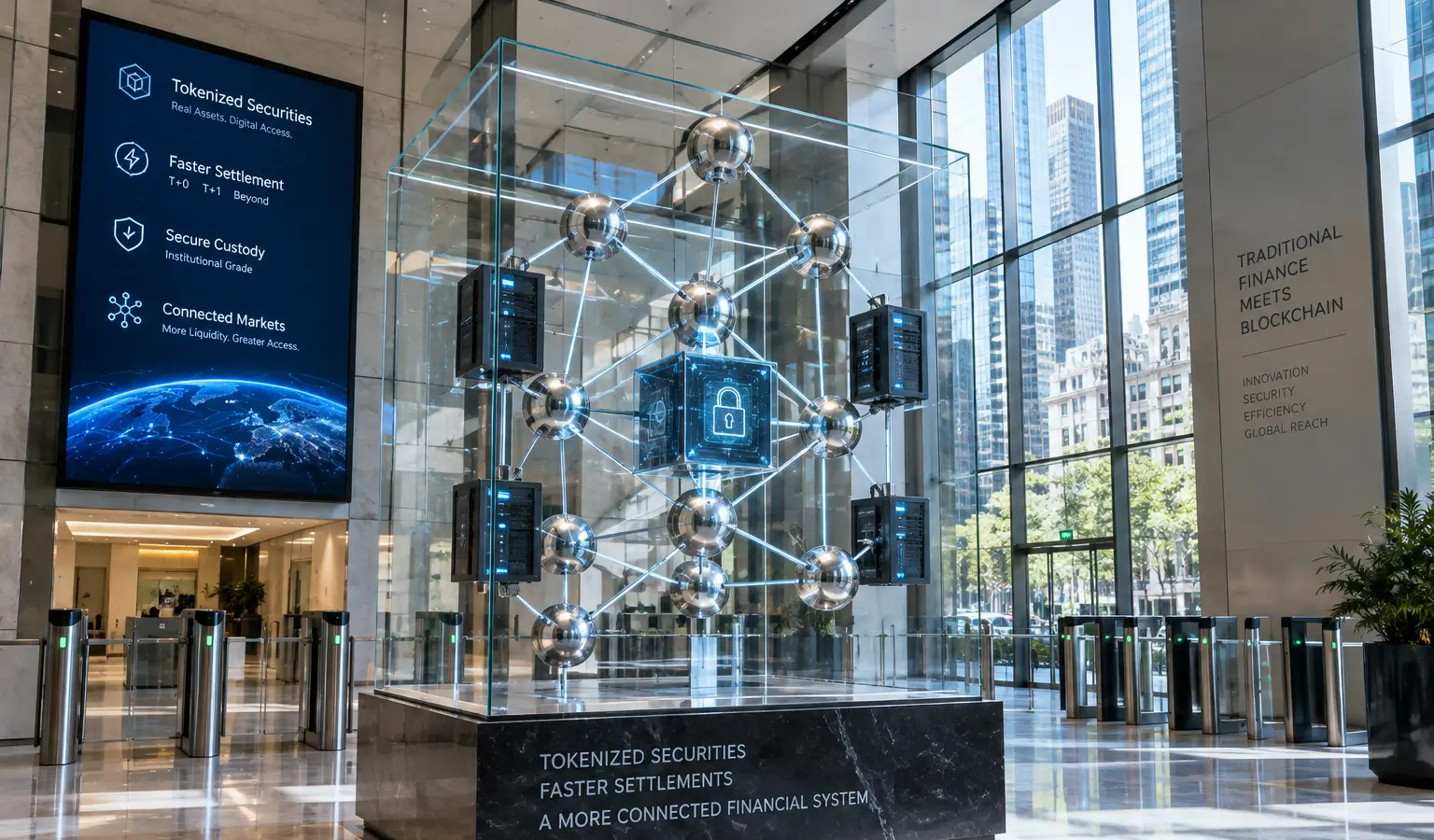
Wright frames tokenization as the other half of the story. Stablecoins solve the movement of cash, tokenization solves the movement of assets. By representing securities and other assets as programmable units, collateral and ownership can be pledged, transferred, or released faster. That fits the broader idea that trading, settlement, custody, and portfolio management are increasingly coming together in integrated workflows.
According to her, the challenge is not the concept, but the execution. The market still works with separate steps for execution, clearing, settlement, and custody, while modern markets need to be able to manage exposure and funding continuously. So the question is not whether the technology exists, but whether the infrastructure can be adapted fast enough to actually let capital move when markets demand it.