Wall Street Adopts the Best Crypto Ideas
Tokenization, faster settlement, and programmable assets from crypto are finding their way to Wall Street. BlackRock and MiCA show how regulation and infrastructure make the difference.

Key Takeaways
- Crypto served as a testing ground where ideas emerged for faster settlement, tokenization, and programmable assets.
- Institutional tokenization has accelerated, with tokenized U.S. Treasuries as the largest category and BlackRock’s BUIDL fund as an example.
- The focus is shifting to infrastructure, with MiCA in Europe helping institutions explore usable crypto building blocks in regulated systems.
Crypto started out as a messy testing ground full of bubbles, hacks, memes, and projects that disappeared as quickly as they showed up. It was exactly there that ideas emerged that are now showing up more and more in traditional finance, from faster settlement to tokenization and programmable assets.
What Crypto Has Tested
The core of the story is not that crypto and traditional finance are on opposite sides. It is about which parts of that open, global testing phase turn out to be useful once they are adapted to rules, governance, and risk management.
A number of mechanisms have already clearly been adopted or revisited. Think of continuous markets, new forms of collateral, automated market makers, perpetual contracts, and systems where multiple financial services come together on the same infrastructure.
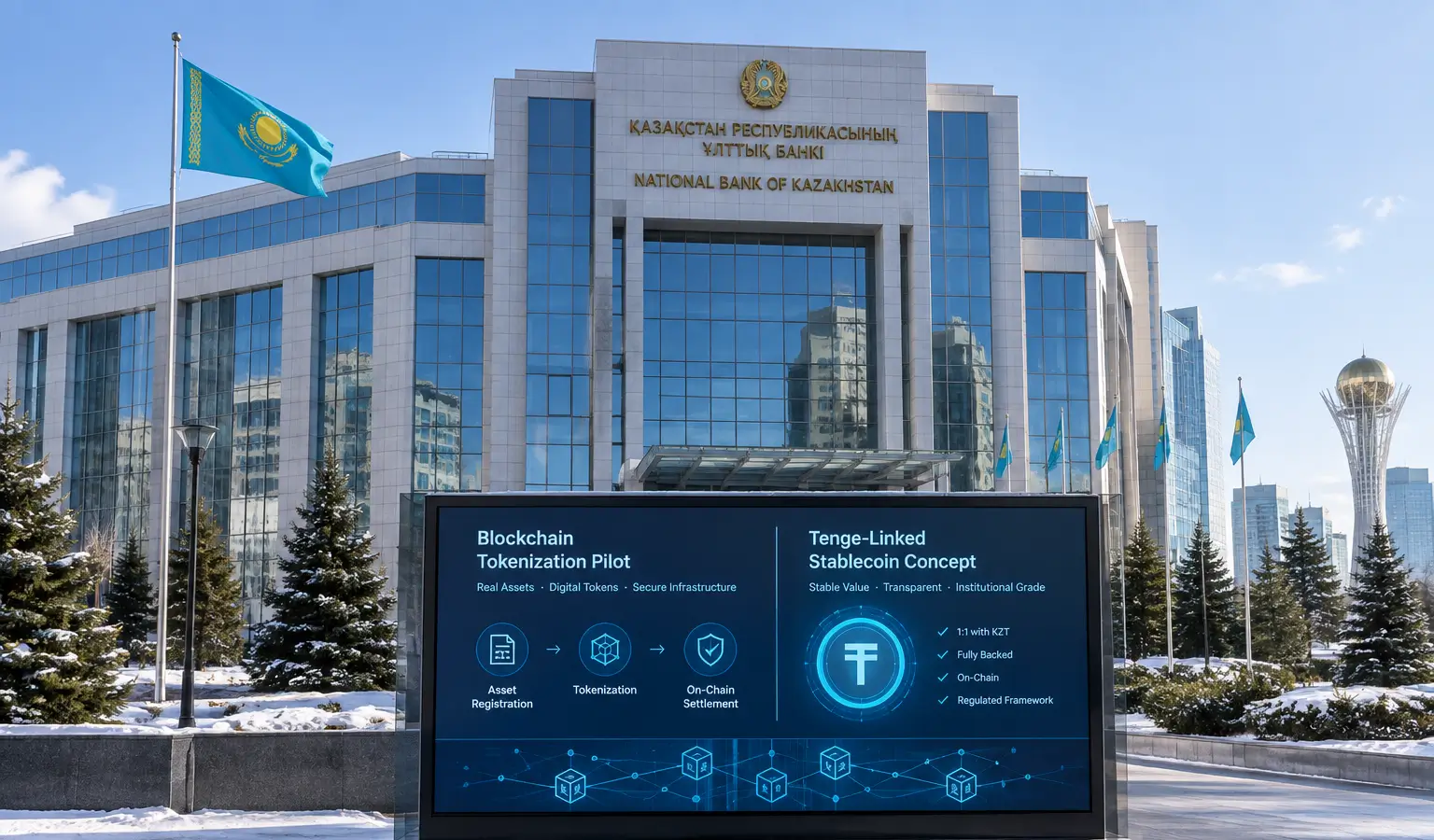
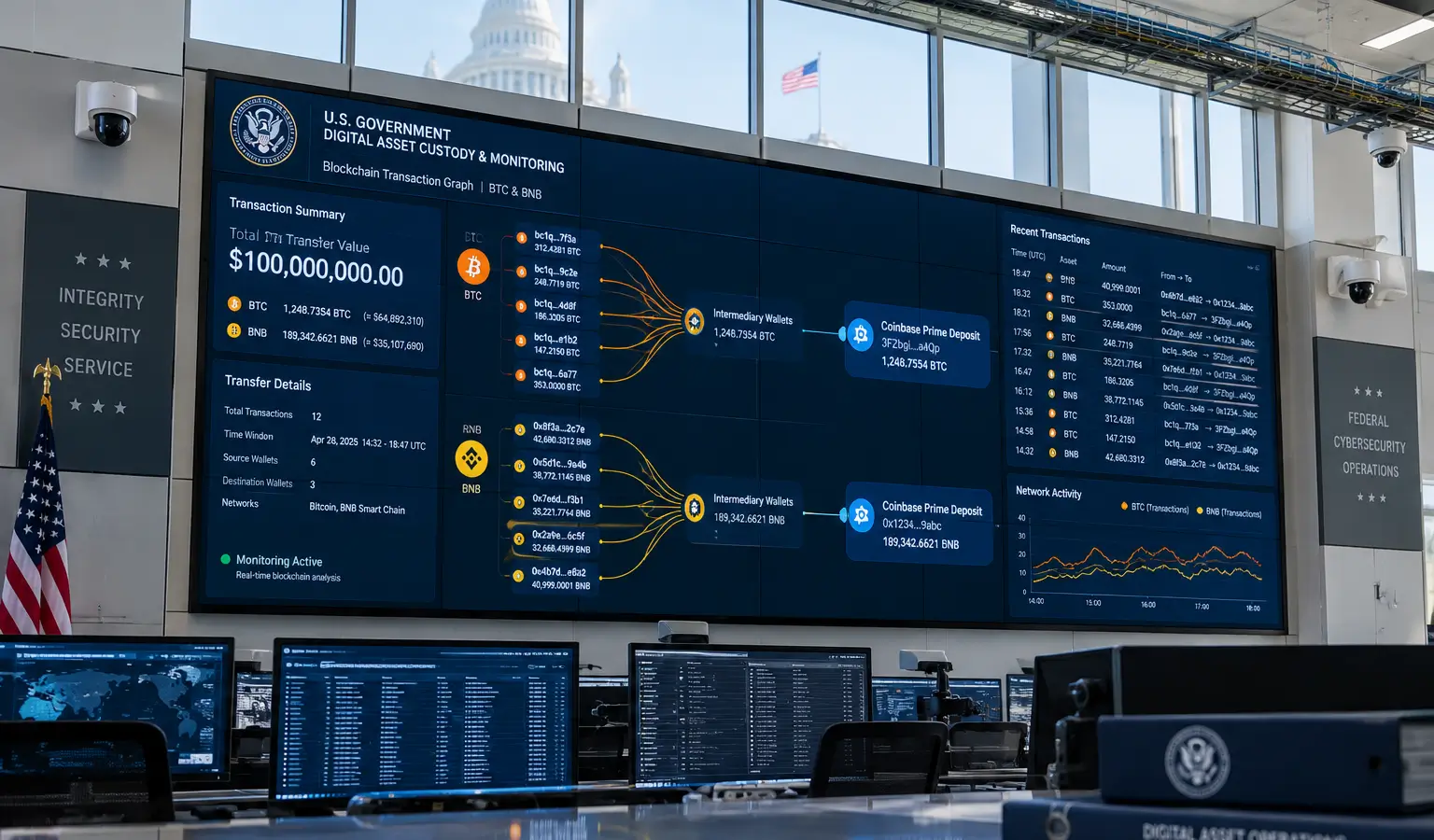
That fits the broader trend visible in 2026: institutional tokenization has accelerated, with tokenized U.S. Treasuries as the largest category within tokenized real-world assets. Major players like BlackRock, through its BUIDL fund, are also showing that blockchain-based issuance, settlement, and custody are no longer just a crypto topic.
From Experiment to Infrastructure
According to the text, the real shift is not simply digitization, but integration. Financial processes are still often split across trading, clearing, custody, ownership records, and reconciliation. Tokenization can bring those steps closer together because rights can be recorded on a programmable platform and linked to payment or other conditions.
That shifts attention from individual tokens to the rails underneath them. The question is not just which asset appears on a screen, but what infrastructure makes it possible to issue, trade, finance, and settle that asset.
The text also points out that this is not a matter of belief in crypto, but of selection. What works can be folded into regulated systems. What does not work disappears. According to the author, that filter is becoming stricter, especially because many projects are still in testing and liquidity in secondary markets remains limited.
Why This Matters
For European crypto readers, this matters because the line between crypto and traditional finance is blurring faster. In Europe, MiCA gives more clarity for stablecoins and tokenized assets, which can help institutions take this kind of product more seriously. That makes the debate less ideological and more practical: which parts of crypto are actually useful in a regulated market?
The text also shows why not every innovation automatically holds value. A protocol can be technically strong and still deliver little economic value. For investors and institutions, it ultimately comes down to the mix of utility, regulation, liquidity, and ownership structure, not just the technology itself.
Wall Street Makes Tokenization a Strategic Priority also shows that major financial firms now mainly see tokenization as an infrastructure question, not as a pure crypto experiment. That matches the shift in this piece: from individual tokens to the underlying rails.