StarkWare Cuts Quantum-Safe Bitcoin Cost to $66
StarkWare is testing a quantum-safe Bitcoin emergency workaround and says AI coding has sharply lowered the GPU cost. The method fits within Bitcoin, but it has not yet been proven in a real transaction.
Key Takeaways
- StarkWare says AI-assisted coding cut the estimated GPU cost of a quantum-safe Bitcoin transaction from about $320 to $66.
- The test covered the computing work before a Bitcoin transaction; the lower cost has not yet been confirmed with a new transaction on the blockchain.
- The emergency method fits within existing Bitcoin rules, but it does not protect all coins and requires a direct send to a miner.
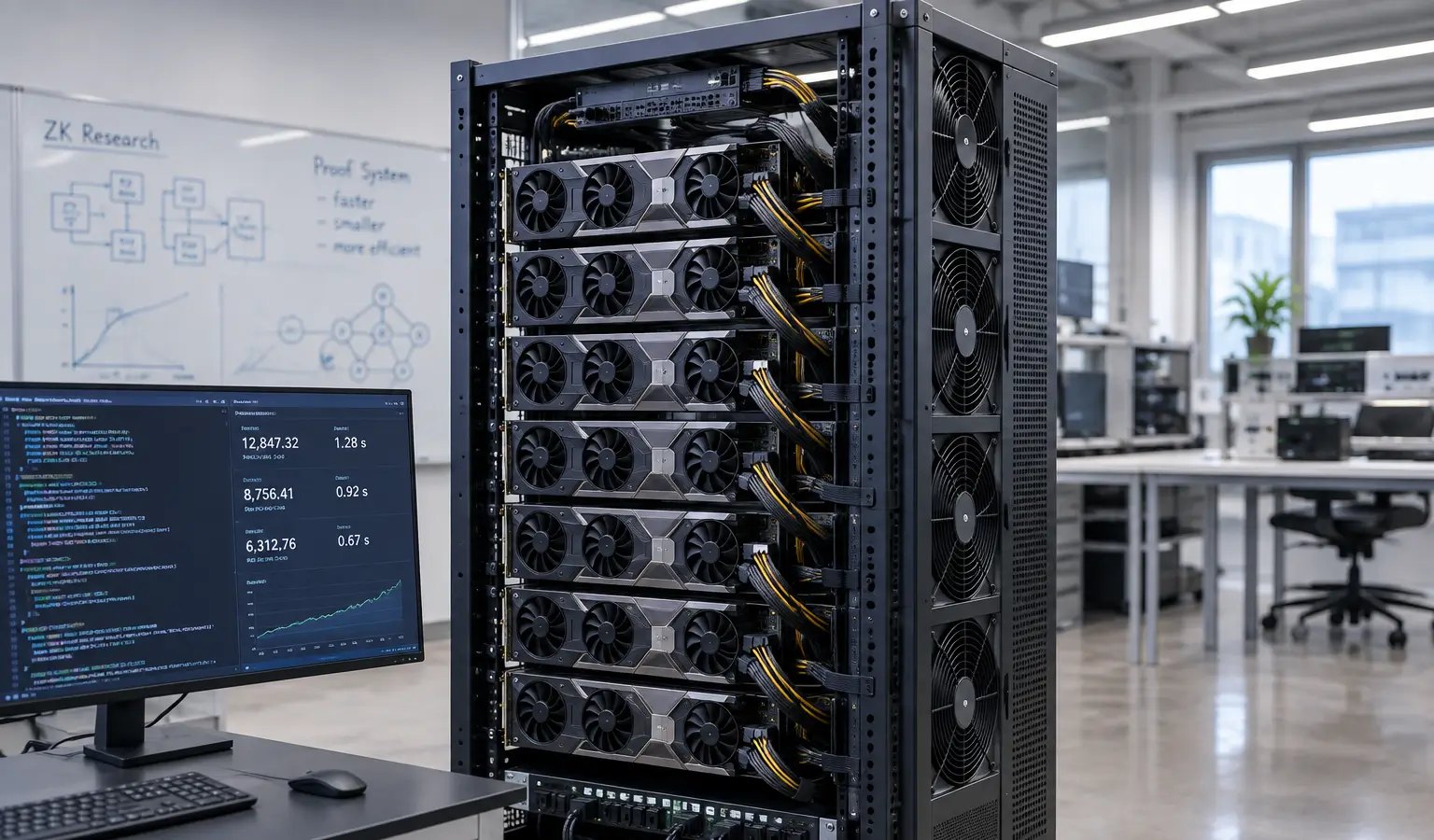
StarkWare says that one week of AI-assisted coding cut the estimated GPU cost of preparing a quantum-safe Bitcoin transaction from about $320 (€280) to $66 (€58). This is a test of the computing work done before a transaction is placed on Bitcoin, not the network fee itself.
How the Test Worked
The earlier estimate came from a transaction that was mined on Bitcoin in August. That process required about 3,100 hours of computing time, spread across a fleet of roughly 100 graphics processors. StarkWare then opened the code for a competition, where participants used AI coding tools to try to speed up the search step.
According to the leaderboard checks, a leading entry reached about 881 million candidate solutions per second. The original code reached about 146 million per second on the same benchmark GPU. StarkWare says the improved code searches for possible solutions much faster, but the company has not yet shown the $66 (€58) estimate in a new transaction that was actually mined on Bitcoin.
Why This Matters
The method is meant as a backup option in case a powerful quantum computer ever manages to crack a Bitcoin wallet through a visible public address. StarkWare uses a protection based on hashes for this, which the company says should hold up against that attack. Because the approach fits within existing Bitcoin rules, no network upgrade was needed to test it.
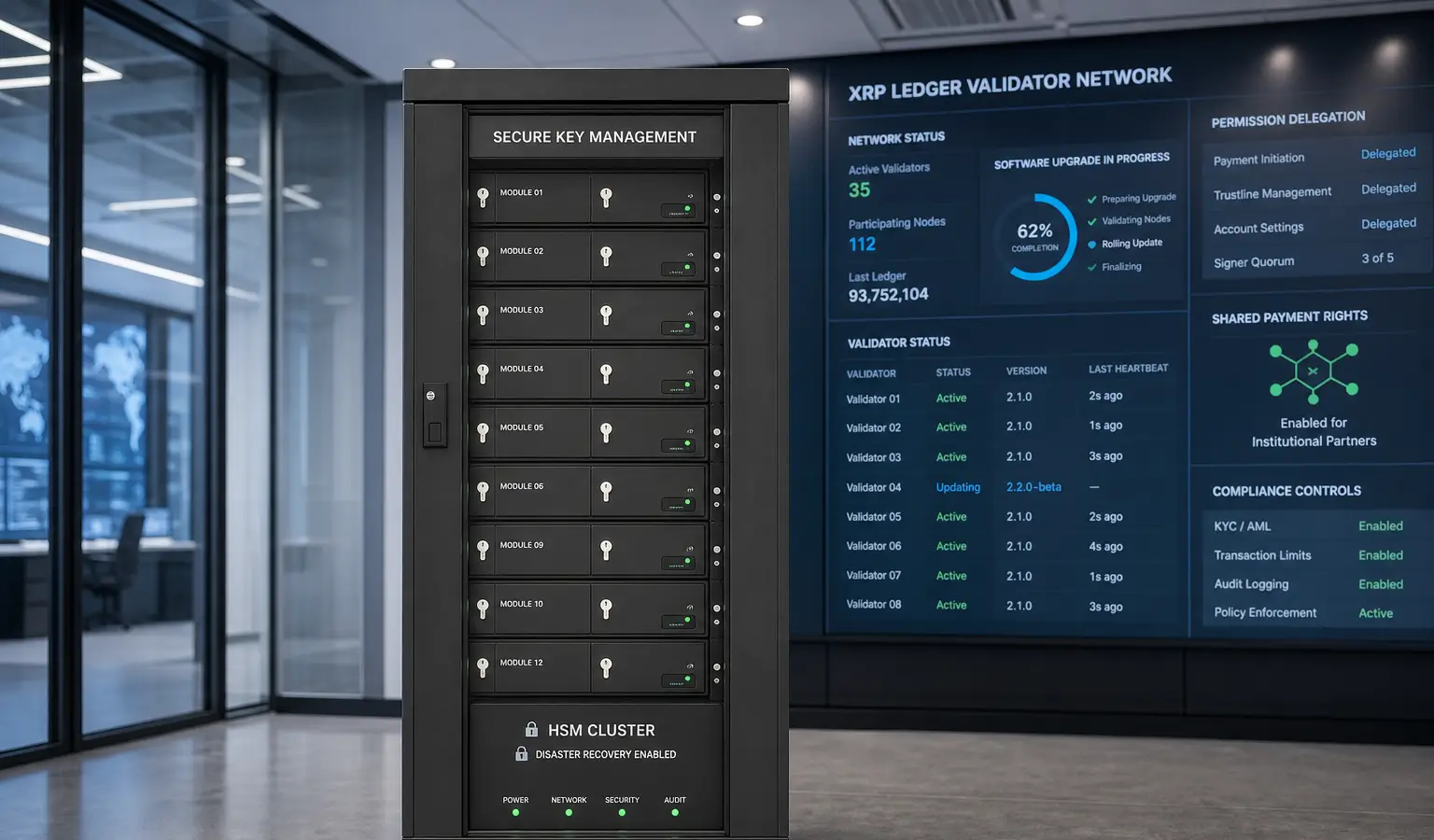
At the same time, the timing of the quantum threat remains uncertain, while governments and security groups are warning more and more about post-quantum cryptography. The U.S. Department of Commerce also awarded up to $100 million (€87.6 million) each this year to quantum computing players Rigetti, D-Wave, and Quantinuum to develop larger, fault-tolerant machines. That shows the race around quantum tech is not just theoretical. Ripple is also preparing the XRP Ledger for post-quantum cryptography, which shows that other major blockchain projects are already thinking about the same threat.
No Proven End Point Yet
StarkWare says the lower cost matters mainly because a broad rollout of this emergency method would otherwise be expensive. At the same time, the approach has clear limits. The transaction has to be sent directly to a miner and does not go through the network in the usual way. The method also does not protect coins whose public address is already visible, which is exactly the group a quantum attacker could target first.