Tether Brings USDT Back to Bitcoin Through Utexo
USDT is coming back to Bitcoin through Utexo, with private transfers, BTC/USDT swaps, and lending based on UTXOs. Tether is once again betting on Bitcoin as a base layer.

Key Takeaways
- Tether wants to reissue USDT on Bitcoin this month through the Tether-backed project Utexo.
- Utexo uses the RGB protocol for private transfers, direct BTC-USDT swaps, and loans backed by bitcoin.
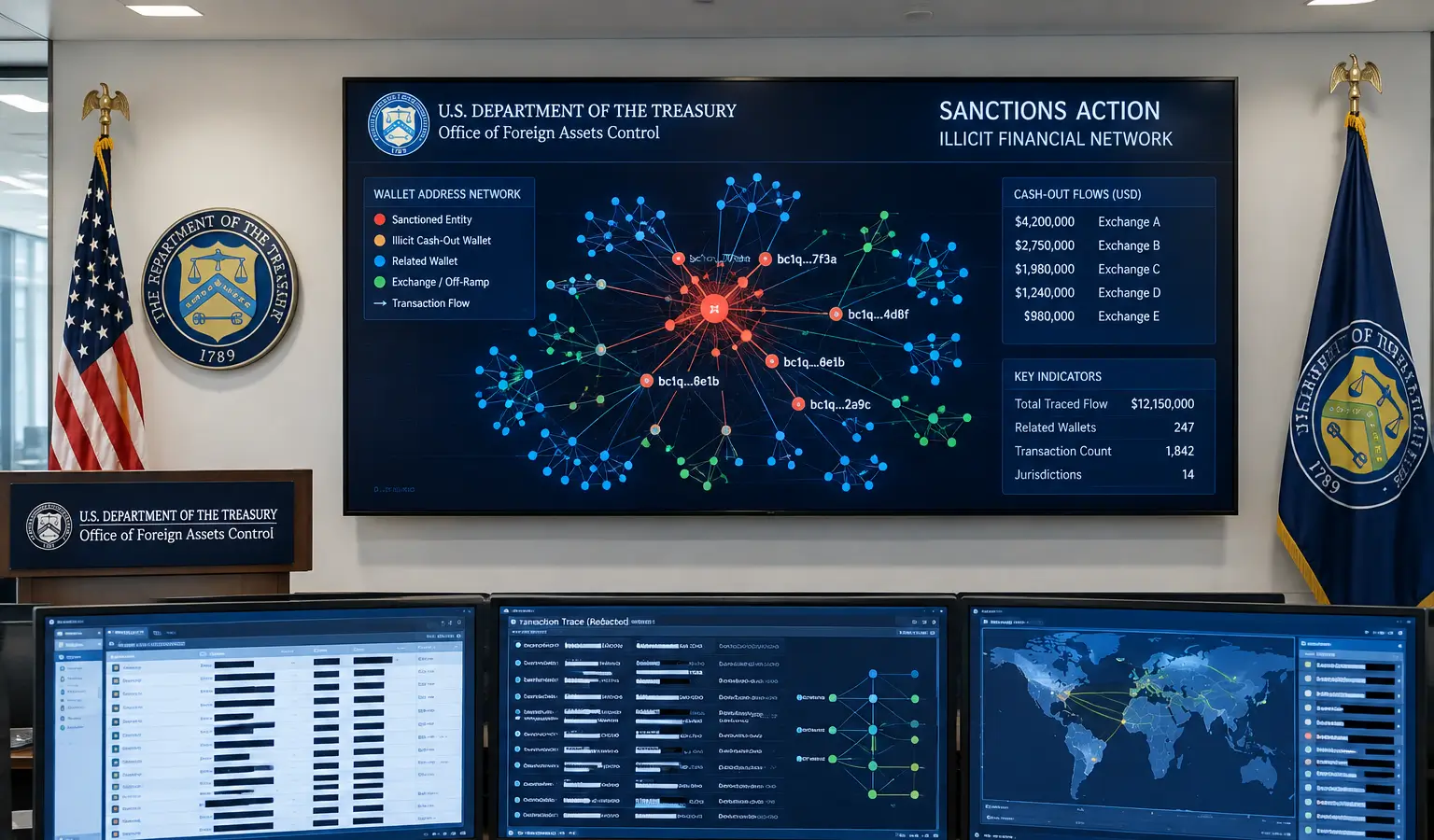
- Instead of freezing addresses, Utexo keeps a blacklist of UTXOs tied to sanctioned or illegal activity.
Tether is bringing its stablecoin USDT back to Bitcoin through the Tether-backed project Utexo. The company wants to start issuing USDT on the Bitcoin chain this month, with features for private transfers, direct swaps between BTC and USDT, and loans backed by bitcoin.
USDT Comes Back
Tether CEO Paolo Ardoino said on X last week that USDT is “coming home.” The stablecoin launched on Bitcoin in 2014 through the Omni protocol, but later mostly moved to Ethereum and Tron, where transactions were cheaper and faster.
According to Utexo, the project was founded in 2025 and raised $7.5 million (€6.6 million) earlier this year. It also received a commercial license to issue USDT on Bitcoin. Co-founder Viktor Ihnatiuk told CoinDesk that, in his view, Tether has always been a Bitcoin company and that Bitcoin is a kind of safe haven for the company, alongside gold.
According to Bitcoin Treasuries, Tether holds about 100,000 BTC, worth roughly $8.4 billion (€7.4 billion) based on the price in mid-August.
Privacy on the Bitcoin Chain
Utexo wants USDT on Bitcoin to work differently than it does on Ethereum or Tron. The project uses the RGB protocol and client-side validation, which keeps most transaction data off the public Bitcoin ledger. Ownership is tied to UTXOs, the separate bitcoin outputs left over after a transaction.
In practice, that means exchanges, wallet providers, and payment companies can work with USDT on Bitcoin through APIs, SDKs, and cloud access. Utexo points to three main use cases: private USDT transfers, direct swaps between native BTC and USDT without an exchange in the middle, and lending where bitcoin serves as collateral without first needing to be moved to another chain.
There is a limitation, though. Utexo cannot freeze a UTXO in the same way Tether can block an Ethereum address. Instead, it wants to keep a blacklist of UTXOs tied to sanctioned or illegal activity.
Why This Matters
For European crypto users, the big point is that a major stablecoin is being built closer to Bitcoin again. That could further expand Bitcoin’s role as a base layer for payments and settlement, while privacy and control over transaction data stay front and center. Utexo also said it wants to expand to Lightning later, the network that is supposed to make faster and cheaper payments on Bitcoin possible.
The debate over sanctions and USDT freezes also remains relevant here, because Utexo is choosing a model where Tether cannot block individual Bitcoin UTXOs in the same way it can block addresses on other networks.