Waters, Warren and Brown Could Block Crypto Legislation
Waters, Warren, and Brown could shape the direction of SEC, CFTC, and stablecoin rules in Congress. For crypto lobbyists, that could mean a much tighter agenda.
Key Takeaways
- If Democrats retake the U.S. Congress in 2027, the direction of crypto legislation could change quickly.
- Maxine Waters, Shontel Brown, and Elizabeth Warren could then land key roles and push for stricter oversight of crypto and stablecoins.
- For European readers, this matters because U.S. legislation affects international debates about market structure, oversight, and compliance.
If Democrats take back power in the U.S. Congress in 2027, the direction of crypto legislation could shift quickly. Maxine Waters, Elizabeth Warren, and Shontel Brown would then be among the most influential names on the issues that determine how the U.S. will regulate crypto and stablecoins.
Waters and Brown at the Helm
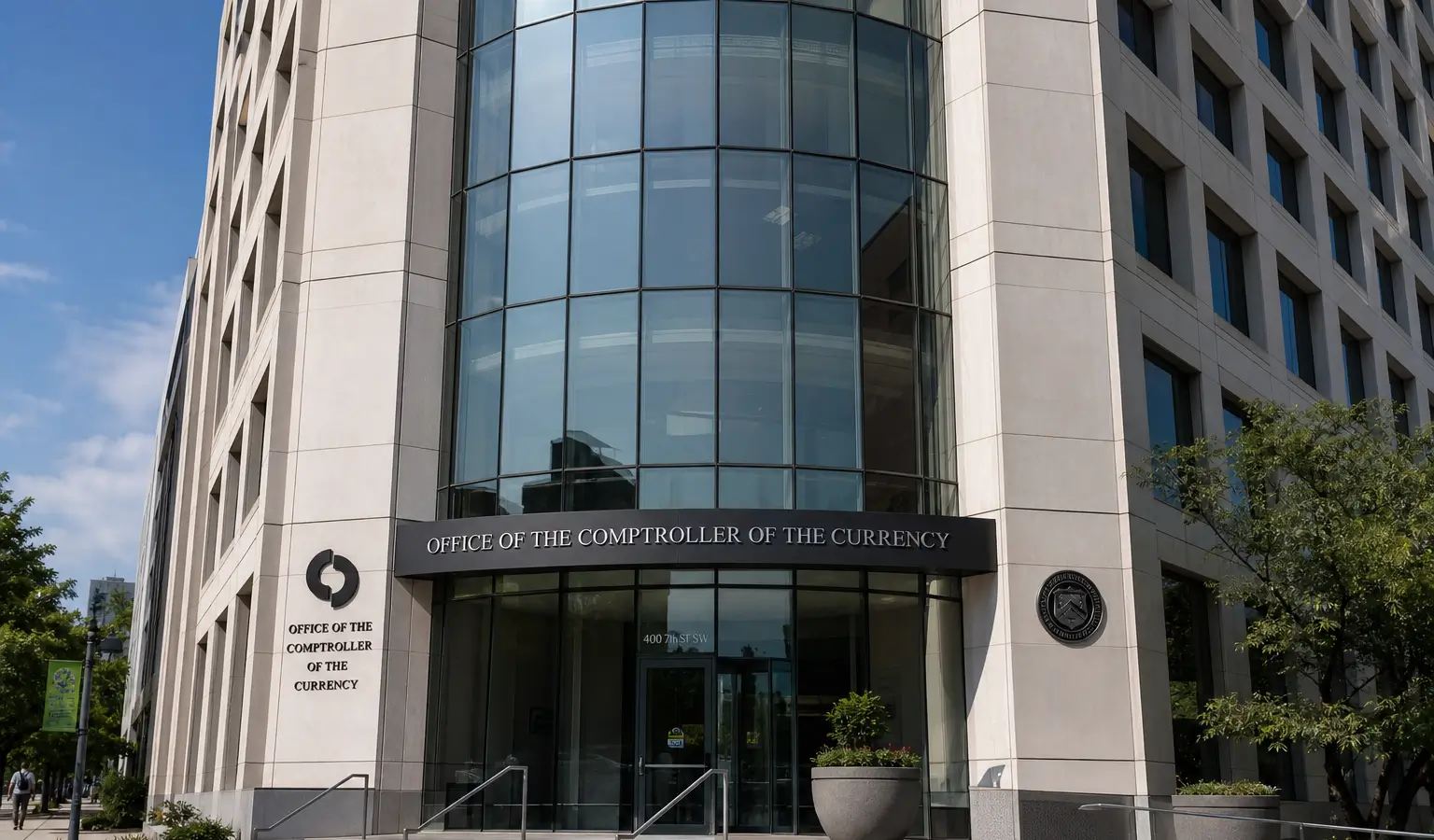
The biggest shift could come in the House of Representatives. Maxine Waters is in line to become chair of the House Financial Services Committee again, while Shontel Brown could end up leading the House Agriculture Committee. Those two committees are crucial because in the U.S. they oversee the SEC and the CFTC, respectively, and therefore play a central role in any new framework for crypto rules.
That matters for the industry because Waters and Brown have both been critical of crypto legislation before. Waters previously called the Clarity Act the “Calamity Act” and warned that it would expose consumers and investors to major gaps in the law. Brown voted against the GENIUS Act and the Clarity Act, although she also said she could support policies that protect consumers and leave room for innovation.
That stance contrasts with the current Republican agenda, where market structure and stablecoins are high on the priority list. If Democrats take control, new proposals are likely to have a harder time getting broad support.
Warren Could Gain More Power
The balance of power could also shift in the Senate. Elizabeth Warren, one of the sector’s fiercest critics for years, could take over the Senate Banking Committee if Democrats win a majority. In 2025, she already published a framework for crypto market structure legislation, with an emphasis on investor protection, anti-money laundering rules, financial stability, and limiting conflicts of interest for public officials.
That fits her earlier approach. After the collapse of FTX, Warren helped work on a bipartisan proposal in 2022 to tighten regulation of crypto companies and treat them more like banks and corporations. For crypto lobbyists, that is a sign that a Democratic Senate would likely draw the legislative agenda much more tightly.
Why This Matters for Europe
For European crypto readers, this is especially relevant because the U.S. still remains one of the main reference points for market structure and oversight. If Democrats set the tone, that could affect how people talk internationally about crypto rules, stablecoins, and compliance. It also shows that U.S. legislation is not just about innovation, but just as much about oversight, consumer protection, and political control over the sector.
The timing makes it even more sensitive. The Clarity Act is wobbling as the Senate heads into recess still has a slim chance of getting through the Senate in September, but if that fails, the industry could once again face a much less favorable majority in the next Congress. According to lobbyists like Cody Carbone, crypto will still be an issue both parties eventually have to deal with, but the path to new legislation looks a lot harder under Democratic leadership.