Wisconsin Sues Circle Over Rejected USDC Recovery
Wisconsin says Circle ignored a court order involving 381,000 stolen USDC. The case also raises questions about stablecoin issuers’ role in recovery efforts and MiCA compliance.
Key Takeaways
- Wisconsin prosecutors have sued Circle, saying the company ignored a court order to recover 381,000 stolen USDC.
- Circle did freeze the tokens, but later refused to invalidate them and reissue them to the sheriff's office.
- The case sharpens the debate over stablecoin issuers' responsibility in fraud recovery, and it matters for Europe too.
Wisconsin prosecutors have filed a criminal complaint against Circle, alleging that the USDC issuer failed to follow a court order tied to the recovery of about 381,000 stolen tokens for a local scam victim. The dispute raises a bigger question about how far stablecoin issuers are expected to go when stolen crypto needs to be returned.
Scam Case Involving USDC
The case began in May 2025, when a Walworth County resident received an unsolicited text from a scammer posing as Lenora. The scammer used a fake romantic relationship to convince him to move part of his savings into USD Coin, or USDC, through a bogus investment platform.
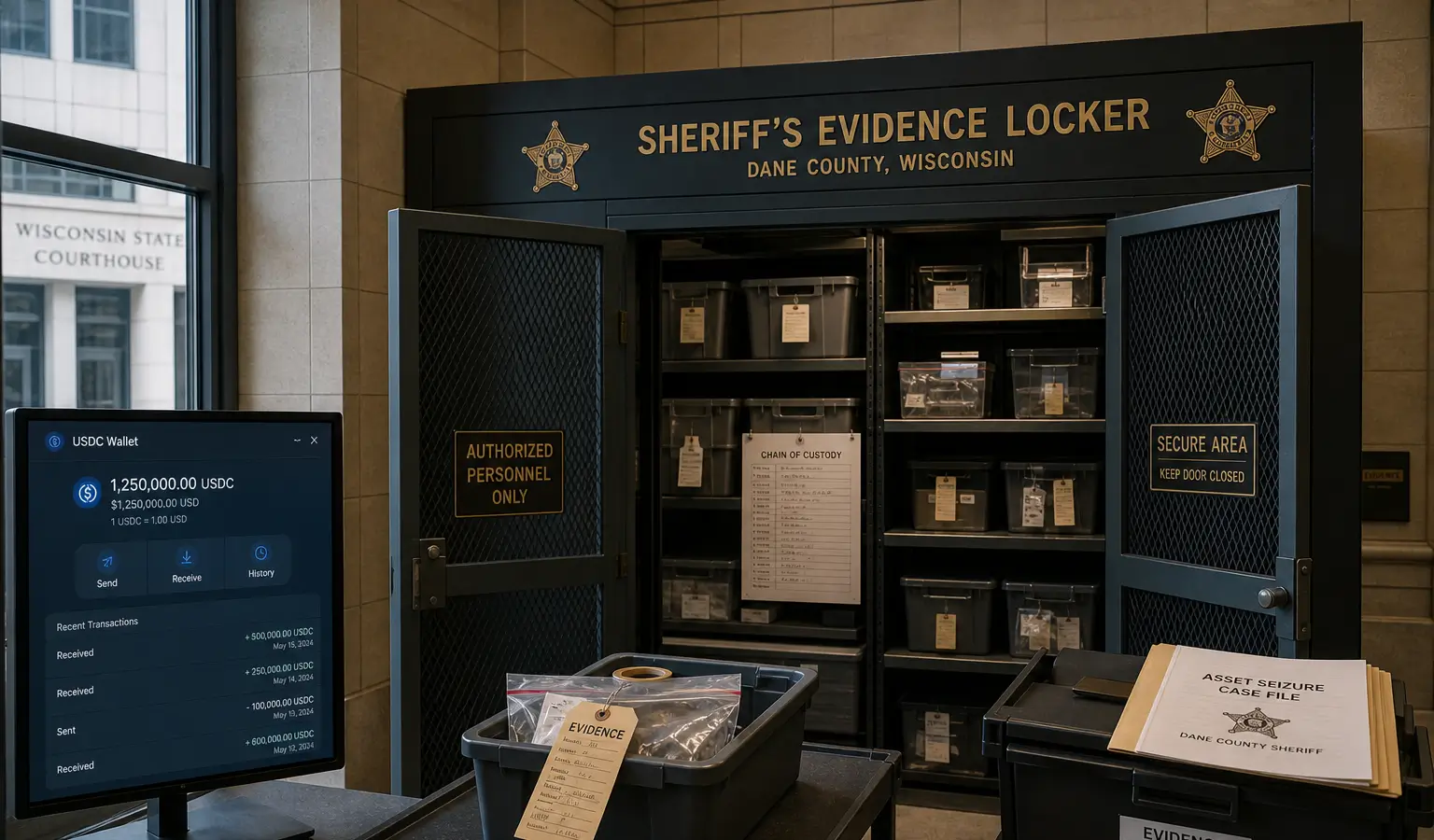
According to the court filing, a judge ordered Circle in August last year to freeze the tokens, and the company complied. Then, in December, the court issued another order telling Circle to invalidate the tokens and reissue the same amount to the sheriff's office. Circle declined to do that, and prosecutors later accused the company of obstruction of justice, a misdemeanor.
Circle says the complaint is without merit. In a motion to dismiss, the company argues that technical constraints and a lack of jurisdiction make the case invalid. Walworth County prosecutor Thomas Binger said the tools available to authorities are not keeping pace with the methods criminals are using.
Tether Takes a Different Approach
The case has drawn extra attention because Tether, the issuer of USDT, has often worked with law enforcement in similar situations. The company says it has frozen about $4.7 billion (€4.1 billion) in criminal funds and says its software can destroy and replace tokens in criminal wallets. According to Tether, that process has already returned $1.1 billion (€1 billion) to victims.
The wider backdrop also matters. The FBI reported a record $11.4 billion (€10 billion) in crypto fraud losses for 2025, with more than 18,500 victims each losing more than $100,000 (€87,500). At the same time, AI-powered scams are still moving fast enough to outrun many enforcement efforts.
Circle says it only freezes assets when there is a lawful process in place. The company says that approach helps prevent arbitrary or politically motivated action, but it has also supported USDC’s growth in Europe under MiCA rules. That makes the Wisconsin case relevant well beyond the US, as stablecoin issuers face growing pressure to define where their obligations end and victim recovery begins.
What This Means for Europe
For European crypto readers, the main point is that this case shows how differently stablecoin issuers approach fraud recovery. The outcome could help shape the debate over what issuers, regulators, and courts should do once tokens have already been moved through a scam. In a market where compliance and user protection matter more every day, a case like this could also influence how companies design their freezing and recovery procedures.