XRP Falls Below $1 After New Ripple Deal in Korea
Ripple is expanding in South Korea with Jeonbuk Bank, but it does not name an asset for settlement. That raises the question of whether RLUSD is becoming more important than XRP itself.
Key Takeaways
- XRP fell below $1 on Tuesday and was down more than 2% on the week, while lagging behind bigger coins.
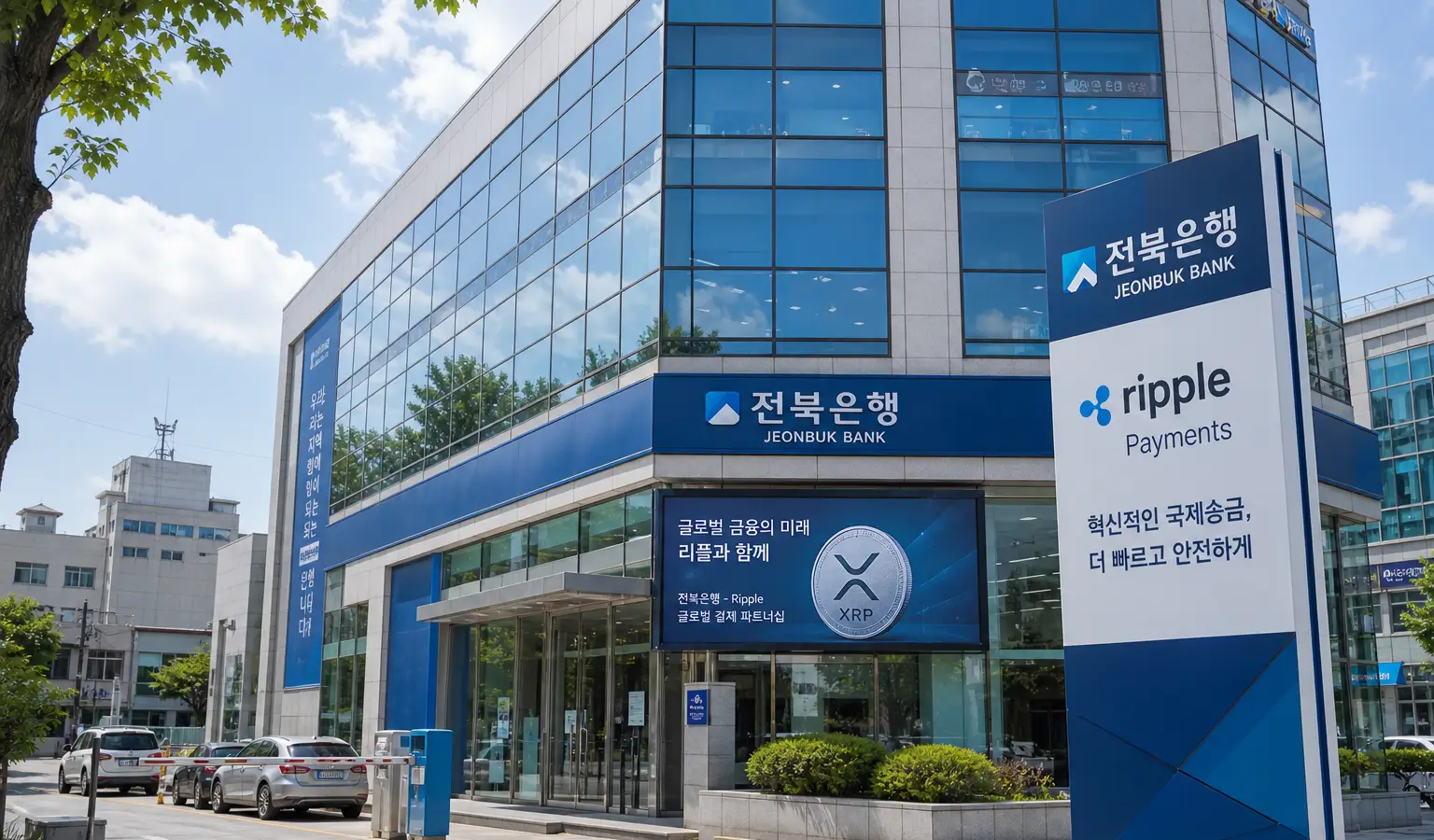
- Ripple announced Jeonbuk Bank as its first regional bank partner in South Korea for Ripple Payments in cross-border transfers.
- Ripple does not name an asset for settlement, while RLUSD is being used more and more clearly as a settlement asset and XRP is getting less support.
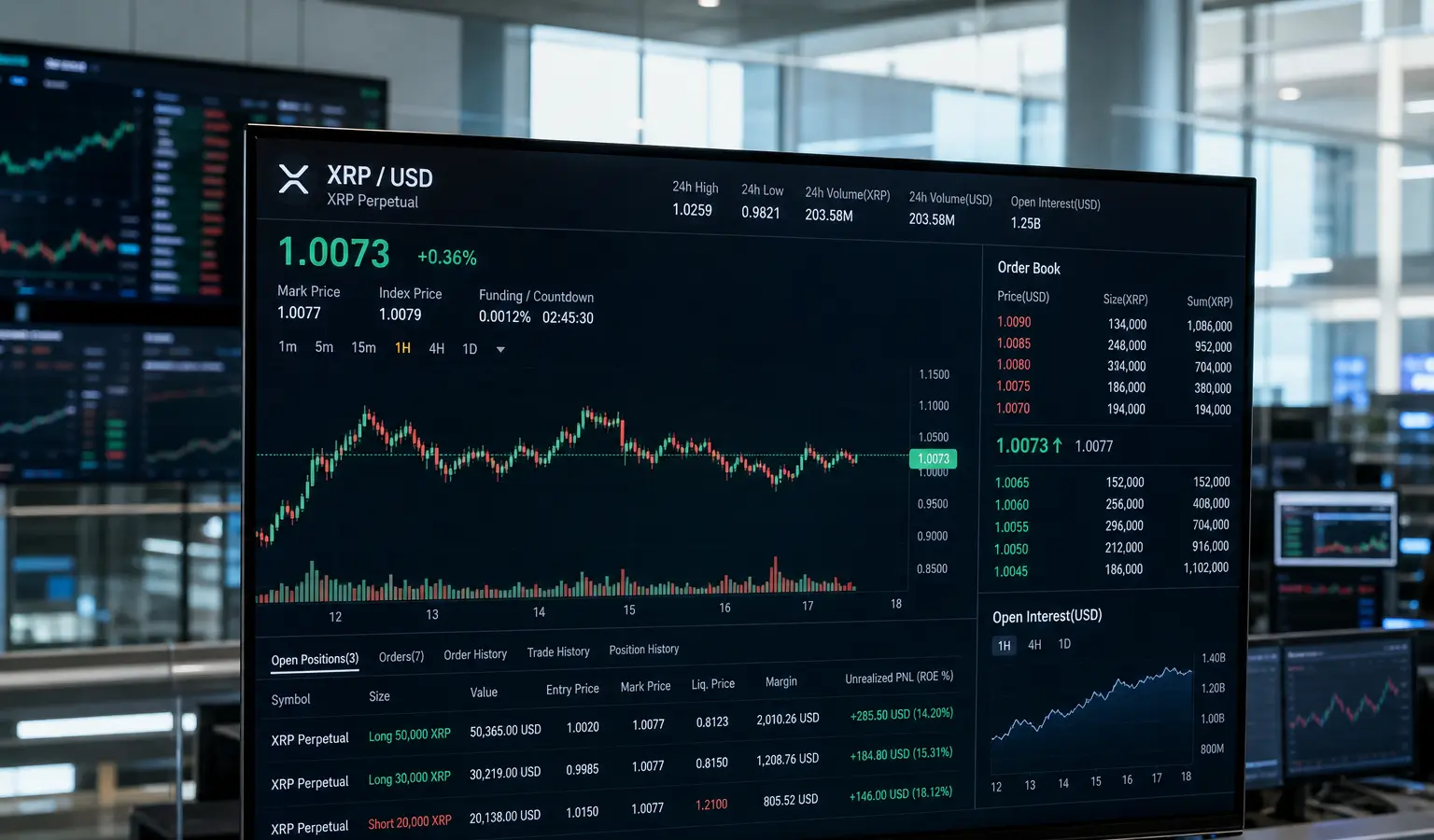
XRP fell below the $1 (€0.86) mark on Tuesday, while Ripple also announced its third Korean bank partner of the year. The token dropped more than 1% on the day and more than 2% on the week, leaving it behind the larger coins over both time frames.
New Bank Partner in Korea
Ripple said Jeonbuk Bank will use Ripple Payments as the first regional bank in South Korea for cross-border transfers. The bank, founded in 1969 in Jeonju, is the dominant lender in its home province. Earlier this year, Ripple also signed custody and wallet deals with Kyobo Life Insurance and Kbank, showing that the company is broadly pushing institutional infrastructure in Korea.
According to Ripple, business customers such as importers, exporters, IT startups, and online content creators should benefit from payments that take seconds to minutes and are available 24/7. That is a clear alternative to the traditional SWIFT route, where payments often move through several intermediary banks and can take days to arrive.
XRP and RLUSD Split Apart
What stands out is that Ripple talked in the announcement about near real-time stablecoin cross-border settlement, without saying which asset actually handles the settlement. That matters, because over the past year the company has been pushing RLUSD, its dollar-pegged token, more strongly as a settlement asset for institutional use. CoinDesk did not get a direct confirmation from Ripple about which asset Jeonbuk Bank will use.
That lack of clarity helps explain why a string of new partnerships has not automatically given XRP more support. XRP was still above $3 (€2.59) last year, but in August it slid toward and through the $1 (€0.86) level, while Ripple kept building bank, custody, and asset manager relationships. On the XRP Ledger, it is also visible that RLUSD now makes up a large share of activity: tokenized real-world assets on the chain were worth about $1.38 billion (€1.2 billion) according to earlier reporting, of which $845 million (€729 million) is in RLUSD.
What This Means for Europe
For European crypto followers, this is mainly an example of how institutional adoption does not automatically have to support one token. Ripple can roll out bank infrastructure while putting more emphasis on a stablecoin than on XRP itself. That makes the line between network usage, settlement, and token value extra important for investors looking at the broader Ripple ecosystem.
The derivatives market also shows that sentiment is not one-sided. Futures open interest was around $2.78 billion (€2.4 billion) this week, while more accounts on Binance and OKX were long XRP than short. At the same time, the social commentary around the token was reportedly more negative than it had been in three months, highlighting the tension between price action and positioning. For anyone looking to read that market tension further, it is relevant that long positions are rising while the price stays stuck around $1 (€0.86).