Argentina Freezes LIBRA Wallets and Puts Binance Under Pressure
The judge is demanding KYC and transaction data from Binance, Bybit, and other exchanges in the LIBRA investigation. The case centers on on-chain money flows, money laundering suspicions, and President Milei's role.
Key Takeaways
- An Argentine federal judge has frozen dozens of wallets in the LIBRA investigation and is asking six crypto exchanges for customer data.
- The move affects Binance, Bybit, OKX, CoinEx, FixedFloat, and Bitfinex, including KYC data, IP logs, and transaction history.
- The investigation centers on a suspected money laundering setup around the LIBRA token, which collapsed after promotion by President Javier Milei.
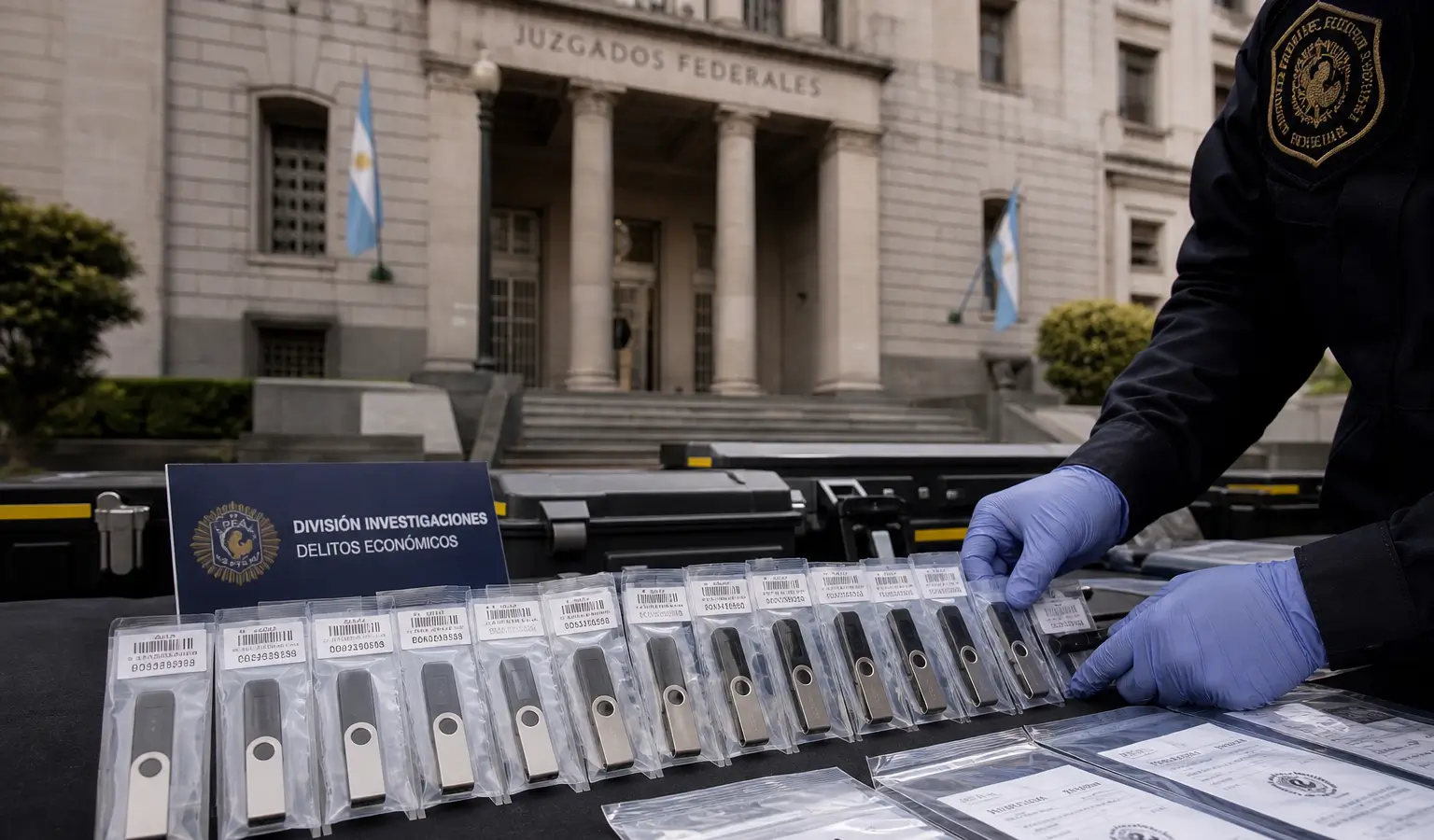
An Argentine federal judge has frozen dozens of crypto wallets tied to the LIBRA investigation. He has also ordered six international crypto exchanges to hand over full customer records, including KYC data, IP logs, transaction history, and linked bank accounts, as the case regains momentum nearly a year and a half after the token’s collapse.
Judge Puts Exchanges to Work
Federal Judge Marcelo Martínez De Giorgi issued the order after prosecutor Eduardo Taiano asked for it on July 14. The file says he relied on a cybercrime report from the federal police, which traced money flows from the so-called Team Libra wallets to major trading platforms.
The freeze covers accounts at Binance, Bybit, OKX, CoinEx, FixedFloat, and Bitfinex. Those platforms must provide account opening records, IP connections, transaction data, linked bank accounts, and internal memos. Reports say at least 25 accounts have been frozen, although the court ruling itself refers to dozens of wallets.
The judge said both the likelihood of the claim and the risk of delay had been shown. As a result, the accounts will remain frozen so any proceeds cannot be moved before they may be seized.
Trail of On-Chain Transactions
The Argentine federal police are handling the requests, and Interpol can be involved if needed. The report maps out a connected chain of on-chain transactions, moving from Team Libra wallets through Jup.ag, FixedFloat, and deBridge Finance to the exchanges now being asked for data.
The findings build on new evidence pulled from seized phones. The translated ruling describes a deliberate money laundering structure, in which small amounts were broken up across multiple wallets each day to make it easier to cash out into fiat currency or obscure the trail.
For European crypto watchers, the main point is that cases like this increasingly depend on a mix of blockchain records and traditional identity data. If exchanges have to turn over KYC files and bank links, investigators may be able to connect an anonymous wallet to a real person in cases involving token fraud or market manipulation.
Political Weight Around LIBRA
The case took on political weight in February 2025 when President Javier Milei promoted the Solana-based LIBRA token on his X account. The post has since been deleted. According to the complaint, the price surged from $0.01 (€0,0087) to nearly $5 (€4.37), then fell back down within hours.
Investigators say a small group of wallets pulled out about $100 million (€87.5 million) during that window, while more than 40,000 buyers who entered after the president's post suffered steep losses. Prosecutors are focusing on Mauricio Novelli, Manuel Terrones Godoy, and American businessman Hayden Davis, who is said to have created the token.
The pressure on the exchanges comes as the civil side of the case is starting to fall apart. In early July, the same judge removed all five investors as plaintiffs from the case at Novelli's defense team's request. For now, that leaves Taiano almost alone in pushing the case forward.