Knaken Goes Bankrupt After MiCA Violation and Missing Customer Funds
The Rotterdam broker did not have an AFM license under MiCA, and the trustee and FIOD are now investigating where about €7 million in customer funds went.
Key Takeaways
- Rotterdam-based crypto broker Knaken was declared bankrupt because it operated without the required MiCA license.
- Prosecutors are investigating where about $8 million in customer funds went; the FIOD carried out raids on June 29.
- Prosecutors say Knaken had about 30,000 customers, while repayment for affected users remains uncertain.
Rotterdam crypto broker Knaken has been declared bankrupt after a court found that it was operating without the required MiCA license. Prosecutors are also looking into where roughly $8 million (€7 million), or €7 million, in customer funds ended up. For Dutch crypto users, the case is a clear sign of how quickly Europe’s new rules are reshaping the market.
No License, But Customers
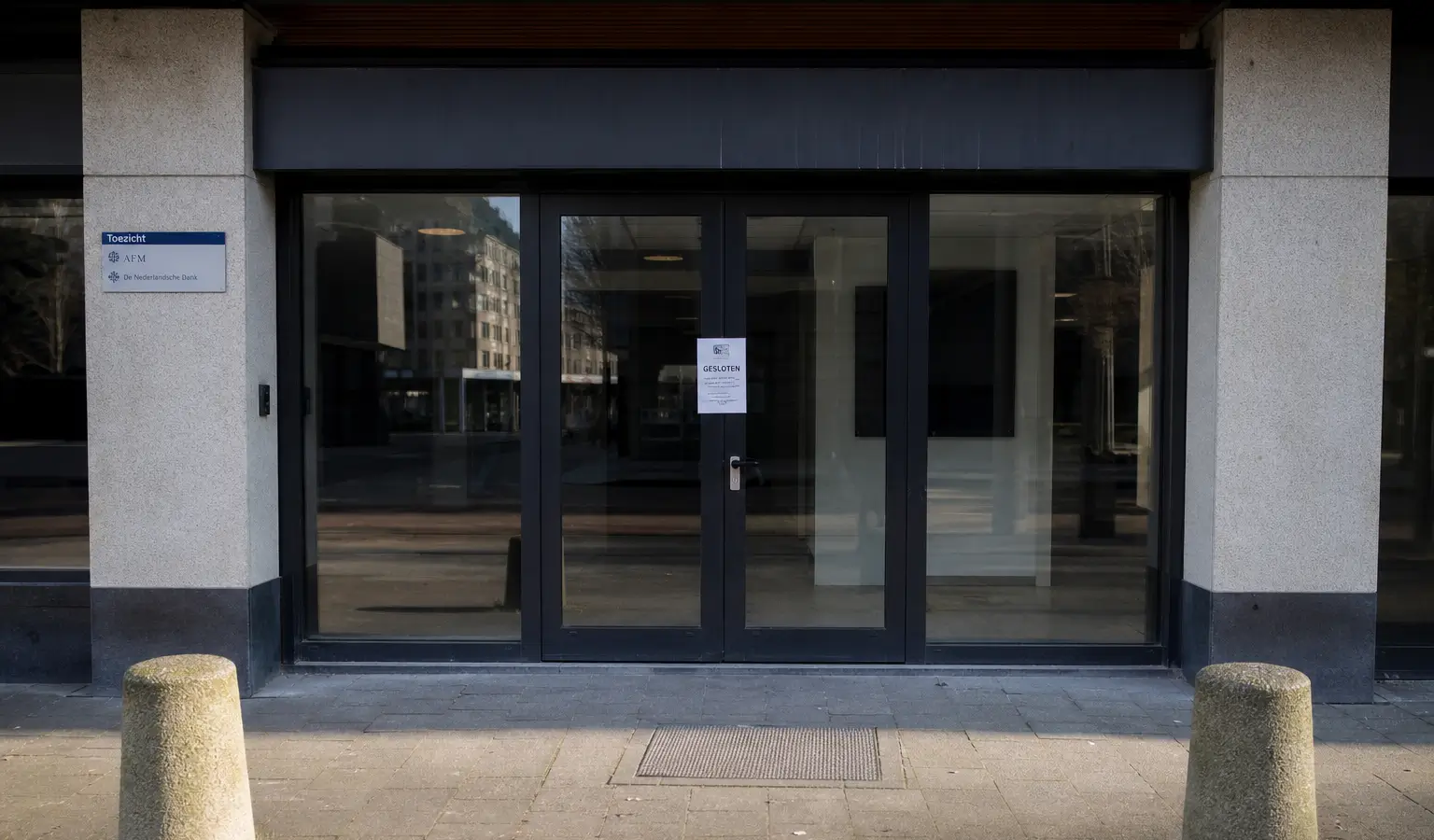
Knaken let customers buy, sell, and store crypto, but authorities say it never applied for or received an AFM license. The Dutch MiCA deadline had already passed on June 30, 2025, putting the country ahead of wider European enforcement. Then, in June 2026, customers suddenly lost access to their accounts, and the company went offline soon after.
The court rejected Knaken’s claim that bankruptcy was unnecessary and that customer assets were secure. Instead, it appointed an independent trustee to handle the estate and try to recover as much value as possible. Prosecutors say Knaken had around 30,000 customers.
MiCA Raises the Bar
MiCA is the first broad European law covering crypto-assets, and it requires providers to keep customer assets separate, along with other security measures. That separation matters a lot in this case: in the Netherlands, crypto holdings do not get the same automatic protection as bank deposits. If a platform fails, repayment depends on what a trustee can still trace.
The case also fits into a wider wave of consolidation across the market. Since MiCA took effect, several crypto platforms in Europe have exited the market or changed their services because they could not meet the new standards. That makes Dutch enforcement especially important for firms that are still operating or want to serve European customers under a license.
Investigation Continues Alongside Bankruptcy
A criminal investigation is also moving forward alongside the bankruptcy case. The FIOD raided the company on June 29 and seized computers and business assets. No arrests are known at this point, and the criminal probe is separate from the bankruptcy proceedings.
For affected customers, the outlook is still unclear. Any payouts could take months and are not guaranteed, especially since Dutch compensation schemes do not cover crypto. The case is a reminder that crypto firms need more than just a license. They also have to show clearly that customer assets are being kept separate and can be verified.