Argentine Judge Closes Milei's LIBRA Case
The judge saw no criminal deception around LIBRA's promotion on X. Critics are still trying to reopen the case through an appeal.
Key Takeaways
- An Argentine federal judge cleared President Javier Milei in the LIBRA case and saw no criminally relevant deception.
- The judge said that promotion, a price spike, and a crash do not by themselves prove fraud, and that Milei posted from a personal account.
- After Milei's post, LIBRA briefly climbed above $4.5 billion in market value and then fell about 95% within a few hours.
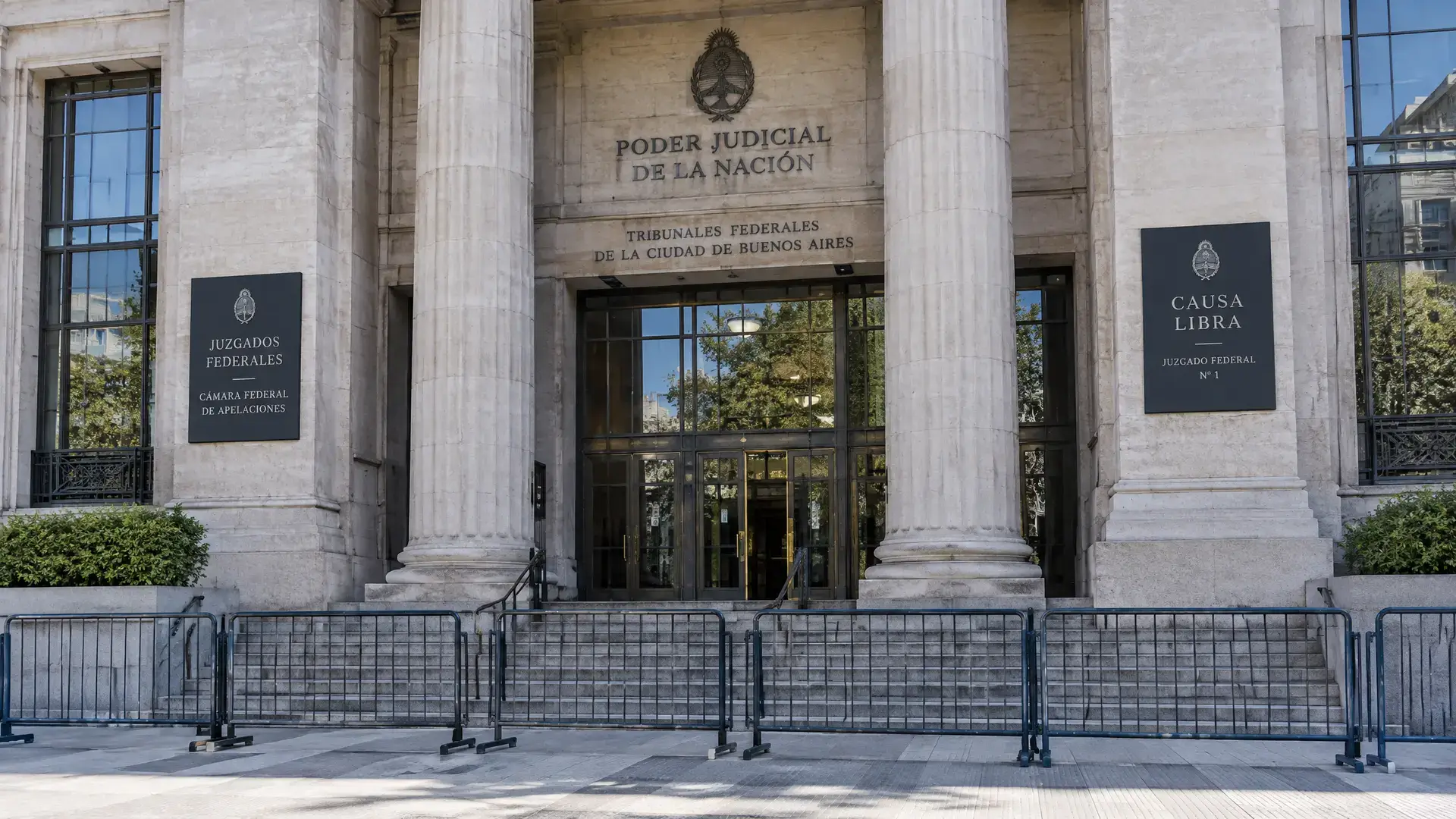
An Argentine federal judge has cleared President Javier Milei in the LIBRA case. According to the ruling, no criminally relevant deception was found around the meme coin's promotion and the crash that followed. The decision effectively puts the case on hold for now, although critics and some former plaintiffs are still trying to find a way to appeal.
What the Judge Decided
Judge Marcelo Martínez de Giorgi dismissed the case against 11 people, including Milei and his sister Karina. Hayden Davis, Mauricio Novelli, and Julian Peh were also removed from the case. Prosecutor Eduardo Taiano had asked for that decision, which meant none of the 11 were ever formally questioned as suspects.
In his 60-page ruling, the judge wrote that a promotion, a rally, and a crash do not by themselves prove fraud. He also said financial loss is not automatically a crime. He further pointed out that Milei posted from a personal account and did not use public funds.
The LIBRA Crash in Focus
Milei promoted LIBRA on X on February 14, 2025. The token's market value briefly rose above $4.5 billion (€4 billion) and then dropped about 95% within a few hours. That made LIBRA one of the most talked-about meme coins of the year.
The case gained extra weight because of on-chain research. Analysts said eight wallets linked to the team cashed out about $107 million (€95.6 million) during the short-lived surge. In addition, researchers could not directly connect a note on Novelli's phone mentioning $5 million (€4.5 million) in payments to other people involved.
Why This Matters Outside Argentina
For European crypto followers, this case shows how quickly a meme coin can spiral once promotion, trading, and political attention come together. The file also touches on a broader theme that comes up often in crypto markets: when is hype still marketing, and when does it become a matter for regulators and judges?
After the ruling, Milei said the courts had set things straight. AI-driven crypto scams make cases like this even harder, because promotion and deception can move faster and look more convincing. Opposition politician Maximiliano Ferraro called the ruling a judicial cover-up. The case is now archived, but the excluded plaintiffs have asked the Federal Court of Cassation to let them back in, which could open the door to a new appeal.