Ledger and Former Mt. Gox Boss Clash Over $90 Million Wallet Scandal
Ledger and Mark Karpelès are feuding over a possibly tampered hardware wallet and whether earlier warnings could have limited the damage.
Key Takeaways
- Ledger CEO Pascal Gauthier strongly pushed back on Mark Karpelès’ claim about a wallet scandal involving more than $90 million in losses.
- Karpelès says Ledger already knew about spy implants in hardware wallets in March and should have warned people earlier and more clearly.
- Ledger admits that Genuine Check does not detect an implant if the original security chip stays intact, highlighting cold storage risks.
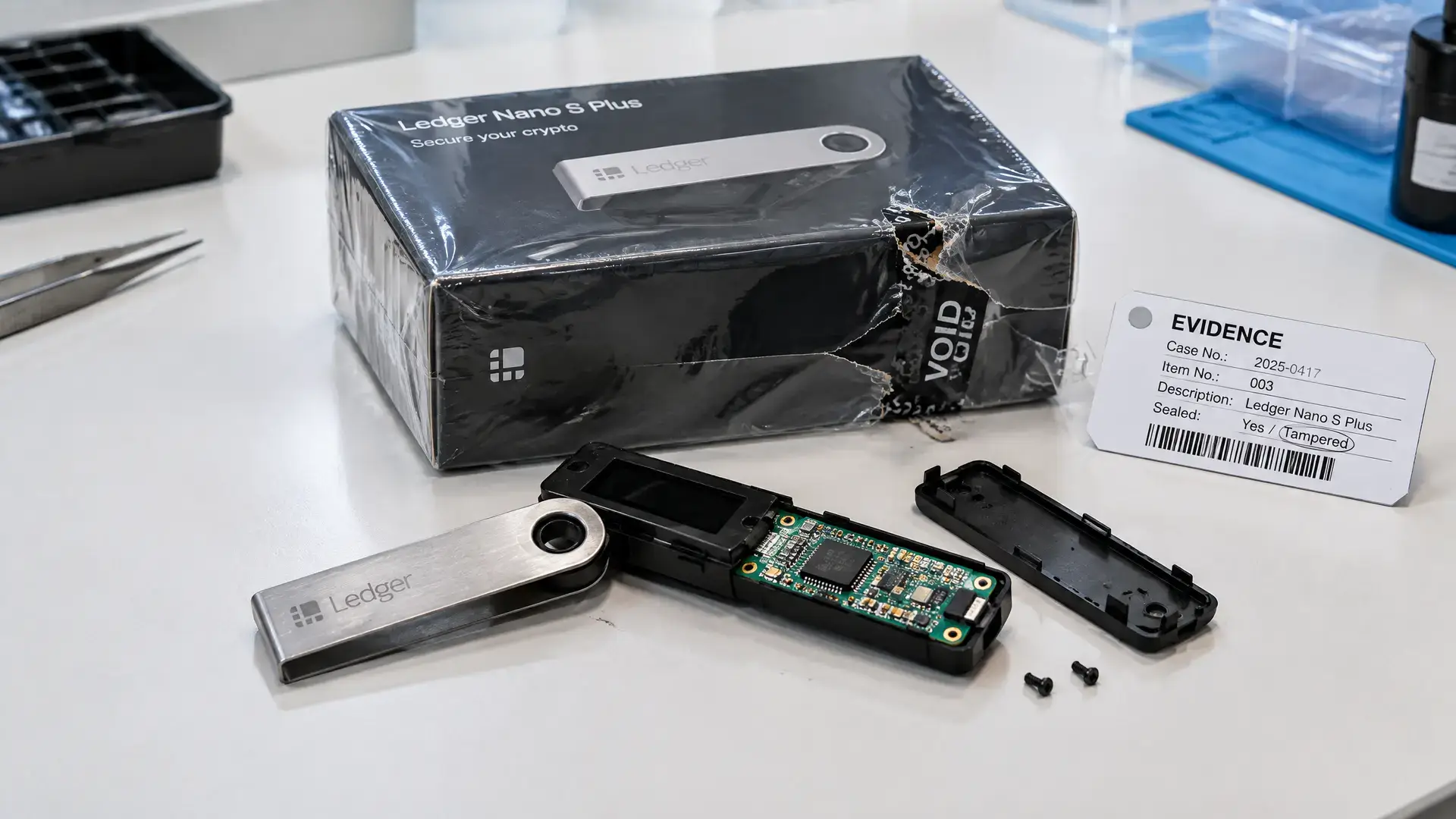
Ledger CEO Pascal Gauthier strongly responded to accusations from former Mt. Gox boss Mark Karpelès about a wallet scandal that Karpelès says caused more than $90 million (€80 million) in losses. The dispute centers on whether Ledger already knew in March about advanced spy implants in hardware wallets and should have warned people earlier and more clearly.
Claims About Earlier Warnings
Karpelès says Ledger already knew in March about the threat. He points to a security guide from March 6 that showed both handmade and mass-produced spy chips. That page was later updated in September, so it is still unclear exactly when those images first went online.
The former Mt. Gox chief says clearer warnings at the time could have prevented some of the damage. According to him, an implant can intercept the 24 words of a recovery phrase and send them to criminals. Anyone who has those words can take over the crypto in the wallet.
Ledger Pushes Back Hard
Gauthier first defended Ledger’s response and asked Karpelès to stick to the facts. After that, the tone turned personal. He told the former Mt. Gox boss that he is “no white knight” and added: “Get real.”
That comment referred to Mt. Gox’s collapse in 2014, when about 850,000 Bitcoin disappeared under Karpelès’ leadership. Karpelès replied that his experience is exactly why he is extra critical of security and communication.
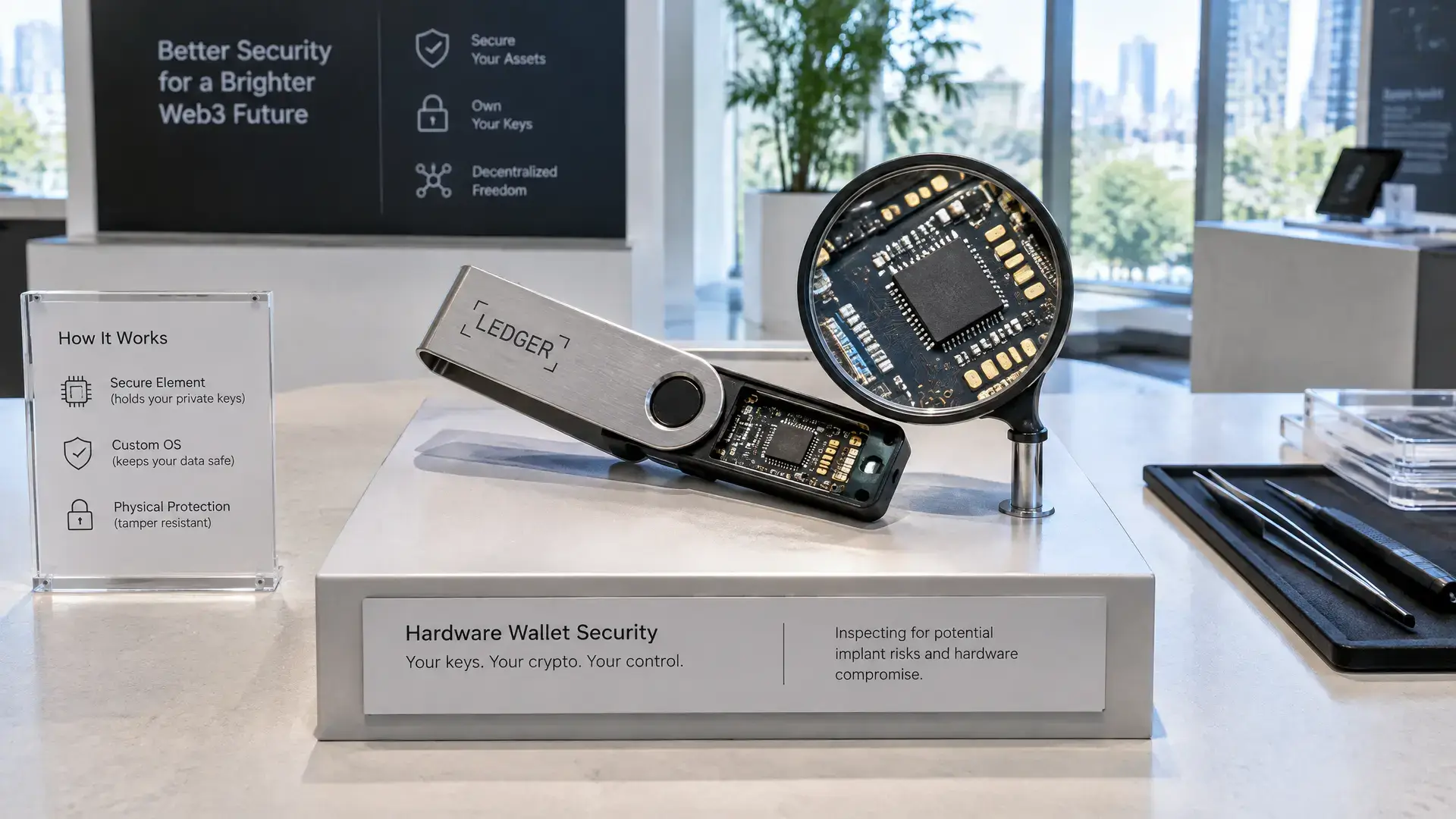
Ledger also admits that Genuine Check cannot detect an implant if the original security chip is still intact. That makes the debate even more sensitive, because a wallet can still look genuine on the outside while something inside has been altered.
Why This Matters for Investors
The case shows how vulnerable cold storage can be if a device is tampered with before it is used. For European crypto holders, that matters because hardware wallets are often seen as one of the safest ways to keep coins offline. The report that Ledger stopped sales through CryptoBilis resellers and that rivals like Trezor have already reduced their reseller network shows how seriously the industry takes this risk. The broader debate over weak or tampered key generation also plays a role: an earlier wallet flaw showed how quickly a security failure can lead to major losses.