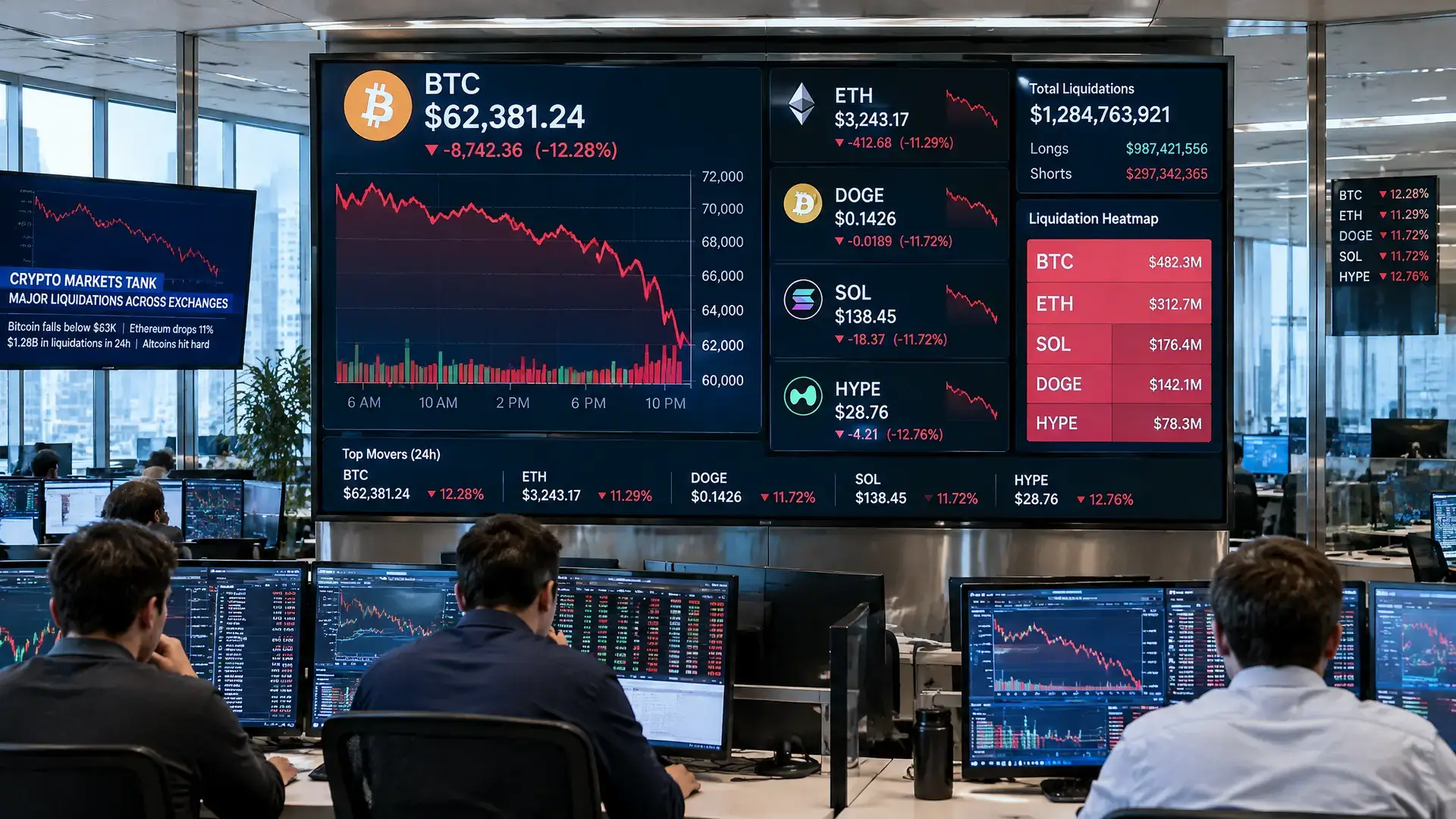
Bitcoin Eyes 6% U.S. Treasury Yield
A higher 10-year yield could pull capital toward Treasuries and slow demand for risky assets, including Bitcoin. The market strategist even sees 6.07% coming back into view.
Key Takeaways
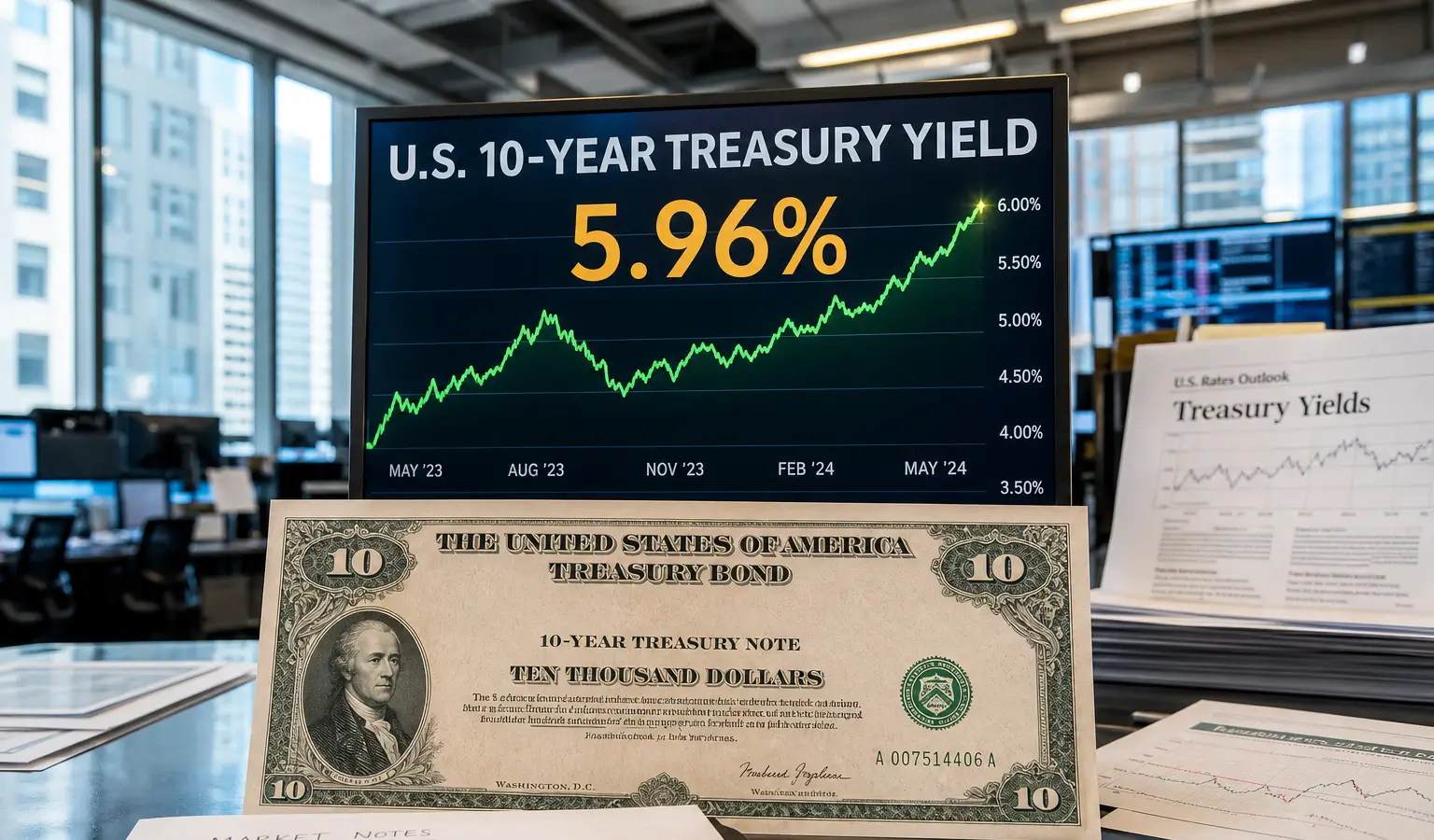
- Market strategist Rick Bensignor sees the U.S. 10-year yield possibly rising to 6.07% from about 4.78%.
- Higher Treasury yields can draw money into safer, interest-bearing investments and slow demand for risky assets like Bitcoin.
- For European crypto investors, this matters because U.S. bond yields often influence broader capital flows and crypto valuations.
Bitcoin didn’t exist when the U.S. 10-year yield last traded around 6%, but according to market strategist Rick Bensignor, that level could come back into view. He sees the yield possibly climbing to 6.07%, from about 4.78% now. That matters for Bitcoin because a higher yield often pulls money toward safer, interest-bearing investments and away from more speculative assets.
Yields Close to Old Levels
Bensignor, founder of Bensignor Investment Strategies, told CNBC that he sees a multi-year upward trend in the 10-year yield. According to him, a 200-week moving average also pointed to the recent bottom around 4%. He already calls 5.6% a minimum upside target zone and does not expect the yield to return to its historical midpoint of 8.11%.
The context is striking. The 10-year yield peaked in the early 1980s at 15.8% and once fell to nearly 40 basis points, the lowest level ever. Bensignor also pointed to his own mortgage rate of more than 7% in 1987 to stress that many borrowers, in his view, underestimate how high rates can go.
What This Means for Bitcoin
The relationship between U.S. Treasury yields and Bitcoin is not straightforward. Sometimes they move in the same direction, sometimes in opposite directions, and that depends on factors like market sentiment, economic growth, and Federal Reserve policy. That makes it hard to give a clear Bitcoin outlook based on the rate trend alone.
Still, the current setup matters for Bitcoin investors. Higher Treasury yields raise financing costs across the economy and can cool demand for riskier investments. At the same time, a higher yield can also come from inflation or fiscal stress, without automatically having the same effect on Bitcoin as it does on other crypto.
Why This Matters for European Readers
For European crypto investors, this is especially relevant because the U.S. bond market often sets the tone for broader capital flows. If the 10-year yield keeps rising, that can also spill over outside the U.S. into the valuation of risky assets, including crypto. For Bitcoin, the big question remains whether it acts like digital gold or like an asset that is sensitive to rates and liquidity.
Higher rates also fit into a broader debate about Bitcoin’s role as a hedge against money debasement and debt. In that context, the discussion about the debasement trade is relevant, because rising Treasury yields and growing U.S. debt meet there directly.