British Lobbying Complaint Puts Farage and Tether Under Pressure
The complaint centers on a conversation with the Bank of England shortly after donations from Christopher Harborne, who reports say has a stake in Tether. It also puts British rules around crypto donations and lobbying under pressure.
Key Takeaways
- A Labour complaint is calling for an investigation into Nigel Farage over possible paid lobbying after a meeting with Bank of England Governor Andrew Bailey.
- The complaint centers on the UK’s 12-month rule, since Farage received £25,000 from donor Christopher Harborne in January 2025.
- Reform UK and Farage deny any wrongdoing, and the standards watchdog has not announced a formal investigation yet.
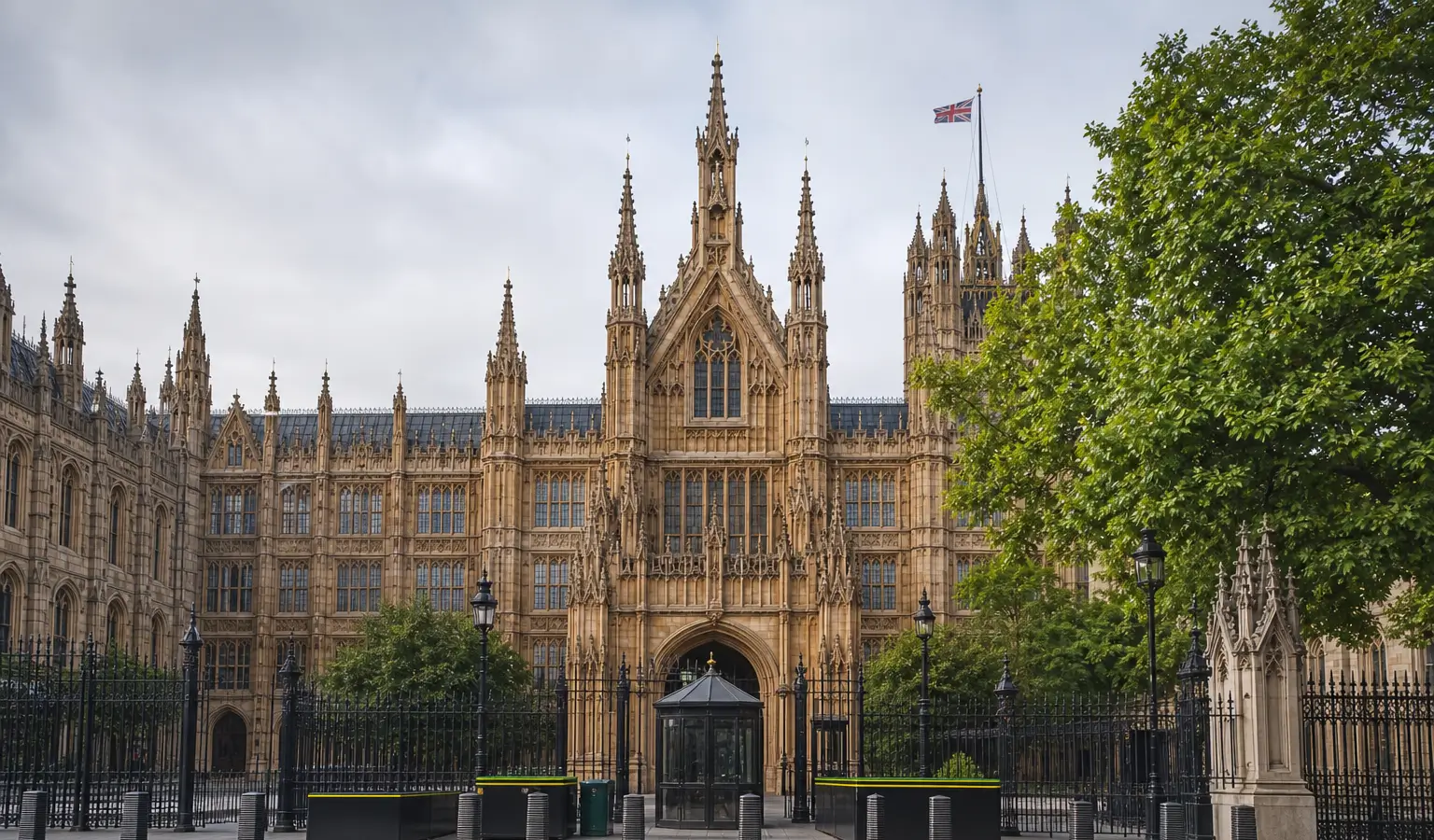
A formal complaint filed in the British parliament has put Nigel Farage’s crypto ties back under the microscope. Labour MP Phil Brickell is asking the standards watchdog to examine whether the Reform UK leader crossed the line on paid lobbying after a private conversation with Bank of England Governor Andrew Bailey, coming soon after Farage received donations from Christopher Harborne, who reports say holds a 12% stake in Tether.
The 12-Month Rule
At the center of the complaint is a parliamentary rule that is not widely known outside Westminster. UK guidelines say MPs cannot act on behalf of a party that has given them support for 12 months after receiving a gift, payment, or hospitality if that support could create a financial or material benefit for the donor.
That window was lengthened from six months to 12 months in March 2023, following the backlash over Owen Paterson. The purpose is to prevent recent recipients from using their access in Parliament to influence policy in ways that could benefit their own interests.
Brickell wants Parliamentary Commissioner for Standards Daniel Greenberg to decide whether Farage’s conversation with Bailey in September 2025 fell inside that restriction. The complaint argues that it may have, since Farage received a £25,000 donation from Harborne in January 2025, which was still within the 12-month period.
Donations and Timing
The timing makes the complaint even more politically sensitive. Farage is also said to have received a £5 million gift from Harborne before the July 2024 general election, and Greenberg is already looking into that separately. Farage received another £25,000 in February 2026, while Reform UK reportedly took in an additional £15 million from the same donor.
During the meeting with Bailey, Farage is said to have pressed for the digital pound plans to be scrapped. The Bank of England later eased its stance on stablecoins and abandoned the holdings cap in favor of a £40 billion issuance limit. Before that shift, industry groups had warned that a £20,000 cap for companies could become unworkable.
Brickell says the concern goes beyond crypto itself and gets to the question of conflicts of interest when an MP discusses policy that could affect the value of a major donor’s investments. Another Labour MP, Joe Powell, has now asked Bailey for more details about the meeting.
Why This Matters More Broadly
For crypto watchers in Europe, this is about more than a domestic party dispute. It shows how quickly stablecoins, political donations, and central bank policy can collide once a major donor has a visible stake in the sector. In the UK, there has also been a moratorium on crypto donations to political parties since March 2025, specifically over concerns about foreign influence.
Reform UK and Farage deny that anything improper took place. The party says the allegations are unfounded, while the Bank of England has described the meeting as a routine discussion. Greenberg has not said yet whether the lobbying complaint will lead to a formal investigation, and no violation has been established.
Farage has also increased his own crypto exposure this year with a Bitcoin purchase of £2 million in April. If the watchdog decides to take the complaint further, it could become a test of how strictly British parliament intends to enforce the 12-month rule in the crypto era.