Gillibrand Pushes Trump Memecoin Ban After $636 Million Windfall
Gillibrand is tying her proposal to ethics rules for presidents and members of Congress after Trump’s TRUMP token reportedly brought in $636 million in a new disclosure.
Key Takeaways
- Senator Kirsten Gillibrand is again calling for a ban on memecoins for presidents, members of Congress, and their spouses.
- The renewed push follows a disclosure showing Donald Trump made $636 million from his TRUMP token in 2025.
- Gillibrand’s proposal lands as conflict-of-interest concerns grow, while crypto companies had already spent $189 million on election races in 2026.
Senator Kirsten Gillibrand has renewed her push to ban memecoins for the president, members of Congress, and their spouses. Her latest call comes after a new disclosure showed Donald Trump made $636 million (€556 million) from his TRUMP token in 2025, adding fresh momentum to the ethics debate in Washington.
Trump and the Memecoin Issue
The 927-page filing, released Tuesday by the Office of Government Ethics, shows Trump reported more than $1.4 billion (€1.2 billion) in crypto income for 2025. The largest single source was CIC Digital LLC, which is tied to the license for the Official Trump (TRUMP) meme coin. Trump has since defended his crypto earnings, even as TRUMP trades near $1.80 (€1.57), more than 97 percent below its $73.43 (€64) peak shortly after its January 2025 launch.
First Lady Melania Trump also launched a memecoin and reported $6 million (€5.2 million) from NFTs and digital collectibles. Since then, criticism of the Trump family’s token activity has only intensified. Economist Peter Schiff said this week that the tokens amount to legal bribery and argued that buyers are effectively paying for access to the president.
Gillibrand’s Own Pressure Point
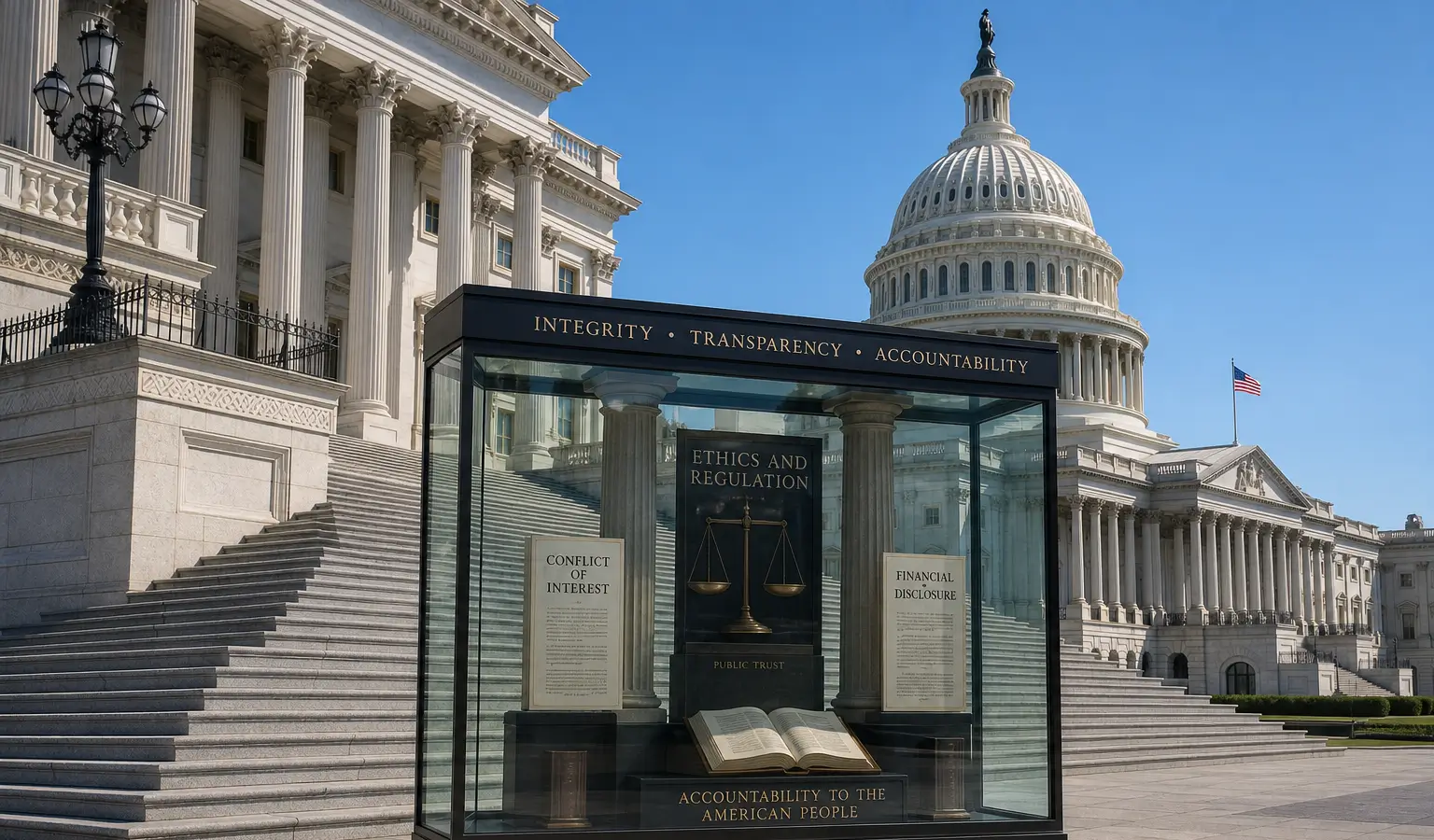
Gillibrand is connecting her latest effort to the End Crypto Corruption Act, a proposal introduced by Senator Jeff Merkley in May 2025. The bill would bar presidents, lawmakers, top officials, and their families from issuing or promoting digital assets, including memecoins and stablecoins. Its aim is to reduce conflicts of interest and protect the integrity of public office.
The timing is delicate, since Gillibrand is also dealing with scrutiny over her own family’s crypto plans. Fortune reported in June that her son Theodore Gillibrand raised $30 million (€26.2 million) for American Perpetuals Exchange Corp., a derivatives exchange valued at $300 million (€262 million). The company plans to seek approval from the Commodity Futures Trading Commission to list perpetual futures on stocks and indexes.
Why This Matters in Europe
For European crypto readers, the episode is a reminder of how quickly ethics, regulation, and market structure can become intertwined in the United States. That matters because debates over memecoins, stablecoins, and derivatives exchanges often spill into broader rules for crypto firms and their access to the market. Political fundraising tied to crypto also remains a factor that could influence the tone of future legislation.
Crypto companies had already spent $189 million (€165 million) on election races in 2026, accounting for about 37 percent of corporate election spending. With Republicans controlling both chambers, the next stretch could show whether ethics language gets folded into negotiations over market structure.