Bybit Says AI Blocked $700 Million in Withdrawals
Bybit says AI blocked more than 30,000 suspicious withdrawal requests in H1 and prevented more than $700 million in potential losses. The exchange ties the rollout to faster detection after the 2025 hack.
Key Takeaways
- Bybit says AI-assisted checks stopped more than 30,000 suspicious withdrawal requests in the first half of this year.
- According to the company, nearly 20,000 users were protected from more than $700 million in potential losses, with an initial review taking an average of 4.7 minutes.
- Bybit also said AI flagged about $212 million in fraud-linked funds and blacklisted more than 10,000 addresses.
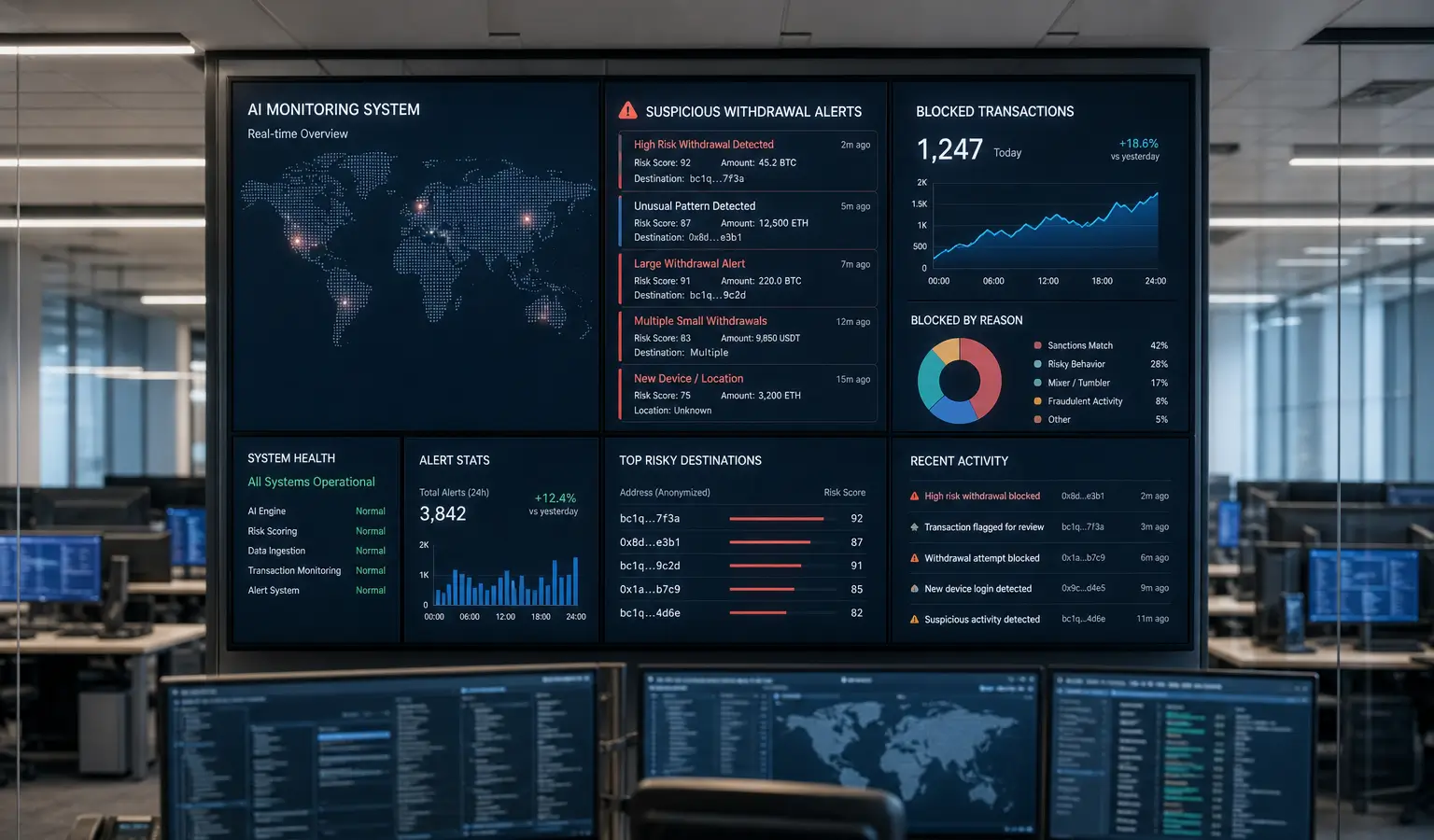
Crypto exchange Bybit says AI-assisted checks stopped more than 30,000 suspicious withdrawal requests in the first half of this year. According to the company, that protected nearly 20,000 users from more than $700 million (€605 million) in potential losses, while the initial review of a flagged withdrawal took an average of 4.7 minutes.
Faster Than Manual Review
Bybit said AI audits found high-severity vulnerabilities up to five times more often than manual reviews. It also said the time between reviewing a system and testing it was cut from about two weeks to two hours. During the same period, the automated red team scanned 1,489 publicly accessible assets and found more than 100 high-severity flaws.
The exchange also says AI flagged about $212 million (€183 million) in funds linked to fraud and blacklisted more than 10,000 addresses. More than 100,000 security alerts were processed with AI support, according to Bybit. The figures come from the company itself and cannot be independently verified.
Shadow of the 2025 Hack
The release of these numbers is not separate from Bybit's own history. In February 2025, the exchange lost about $1.46 billion (€1.3 billion) in the biggest theft in crypto history, which was blamed on North Korea's Lazarus Group. The company is still pursuing legal action over that against the state and the group.
Bybit is not the only player now using AI for security. Smaller teams and independent developers are also using the same tools to find vulnerabilities before attackers do. Across the industry, that is increasing the focus on faster detection, even though human review still remains central to critical decisions, according to Bybit itself.
Other parties are also looking for ways to plug AI directly into security processes. For example, Payward joined an Anthropic project to automatically scan systems for software vulnerabilities.
Why This Matters
For European crypto readers, this shows how quickly security in the industry is shifting from periodic checks to continuous, automated screening. That could matter especially for crypto exchanges and other platforms that manage large amounts of customer funds, because the time between detection and action keeps getting shorter.
Bybit's example also fits into a broader trend where attackers and defenders use the same AI tools, but not always with the same resources. That makes security not just a technical issue, but also an operational race to respond faster to suspicious activity.