Citadel Warns AI Hype May Be Cooling Ahead of SpaceX IPO
Citadel sees signs that AI spending is cooling just as SpaceX moves toward a public listing. At the same time, crypto and stablecoins keep funding new AI use cases.

Key Takeaways
- Citadel Securities warns that the AI hype could cool off because of rising costs and big tech companies cutting back on spending.
- The warning comes just before SpaceX's IPO, which leans heavily on AI company xAI and could pull liquidity out of the market.
- Tether invested $1.4 billion in NEURA Robotics, while Mastercard and Solana roll out new crypto and AI payment options.
The crypto market is seeing a bounce, with Bitcoin back at $63,000 (€54,600), but Citadel Securities is warning that the AI hype may be cooling. According to the hedge fund giant, companies are running into a cost wall when it comes to rolling out AI technologies, which could slow the rapid growth in AI token usage. That signal comes just before SpaceX's historic IPO, which leans heavily on AI company xAI.
AI Costs and Adoption Are Under Pressure
Citadel points to recent examples of big tech companies scaling back their AI spending. Amazon and Meta scrapped internal token leaderboards, Microsoft canceled an AI project because it went over budget, and Uber burned through its 2026 AI budget in just four months. These moves show that companies are becoming more focused on the real value of their AI investments, instead of treating token usage like a trophy.
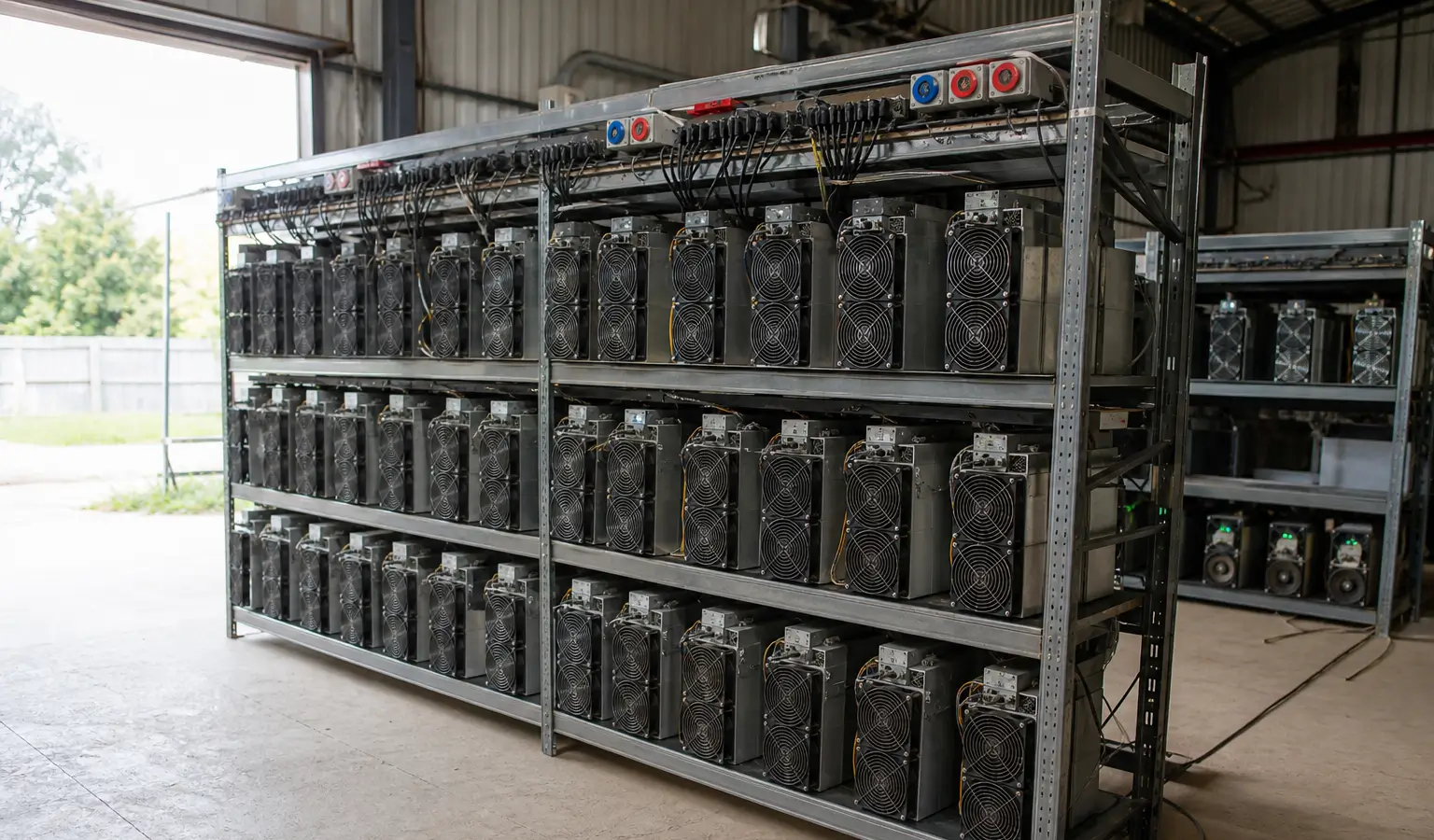
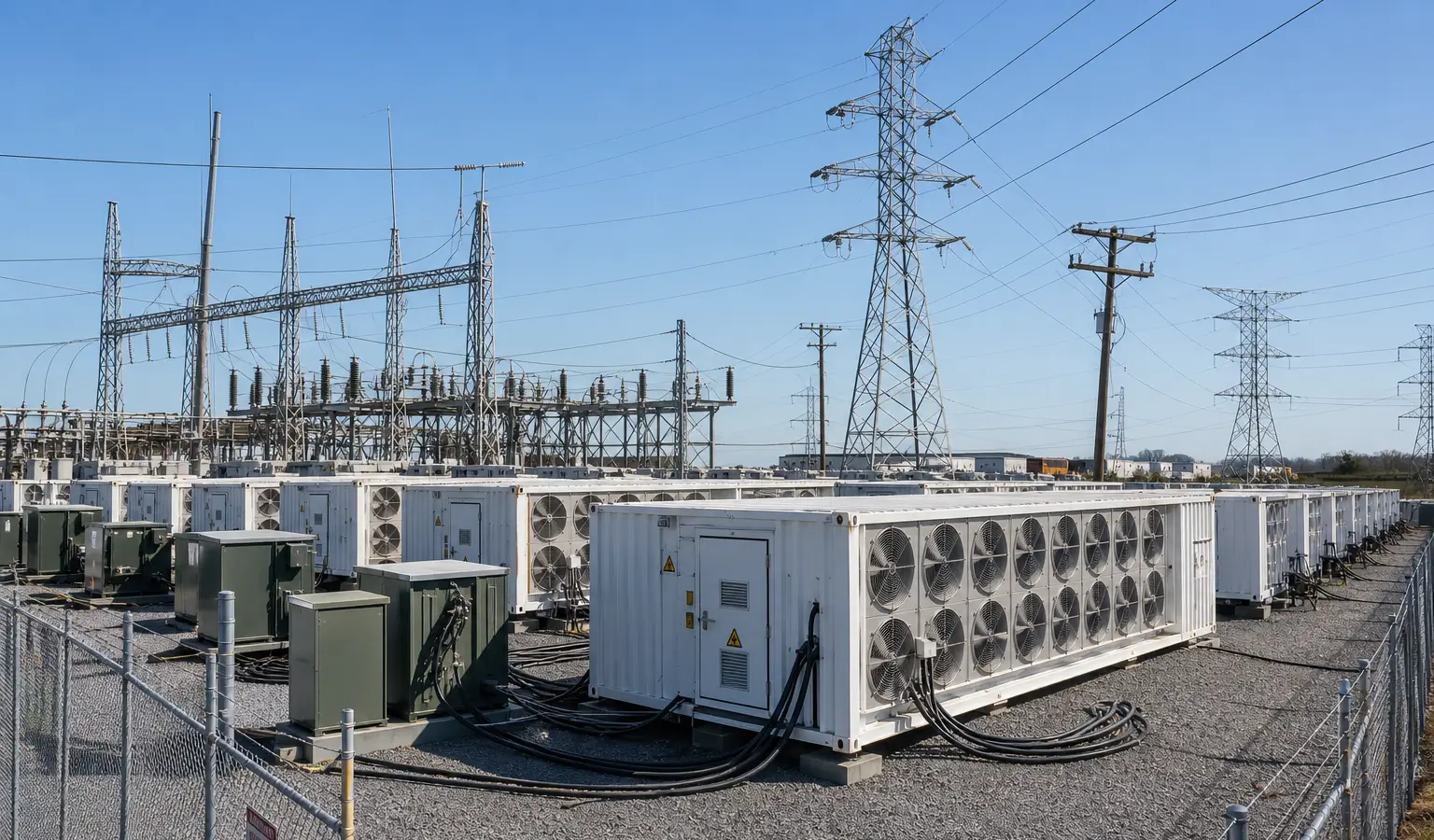
The Citadel warning fits into a broader view that the high costs of AI infrastructure, like data centers and semiconductor manufacturing, could slow adoption. That could lead to AI capacity being concentrated among a few big players with enough financial firepower, while others rein in spending. This setup could create volatility in the near term, especially since big IPOs like SpaceX's can pull a lot of liquidity out of the market.
Tether Makes a Big Bet on Humanoid Robots
At the same time, Tether, best known for the stablecoin USDT, is showing another side of AI development. The company led a $1.4 billion (€1.2 billion) investment round in Germany's NEURA Robotics, which builds humanoid robots. These robots will integrate crypto payment tools and edge AI, pointing to a future where machines can carry out transactions on their own with their own wallets.
This move highlights how stablecoins are increasingly serving as a funding source for the AI sector, alongside traditional tech giants like Nvidia and Amazon. The Tether and NEURA deal also shows that robotics is a major candidate for the next phase of the AI hype, with physical machines and autonomous payments taking center stage.
Crypto and AI: New Payment Options and Sponsorships
Mastercard recently launched Agent Pay for Machines, a system that lets AI agents make payments on their own using cards, bank accounts, or stablecoins. The system was built with crypto companies like Coinbase and Ripple, which strengthens crypto's role in machine-to-machine commerce.
On top of that, the Solana Foundation is sponsoring the World Series of Poker, where players can enter tournaments and receive payouts in SOL or stablecoins. That marketing push fits into crypto's broader strategy of building mainstream visibility and bringing in new users.
Why This Matters for European Crypto Investors
For European investors, Citadel's warning could be a sign to keep a close eye on AI-related investments, especially given the high costs and possible concentration in the sector. At the same time, developments like Tether's investment in robotics and the integration of stablecoins into payment systems offer a new view of crypto's role in the emerging AI economy. These trends could matter for anyone looking to follow and benefit from technological and financial innovation in Europe.