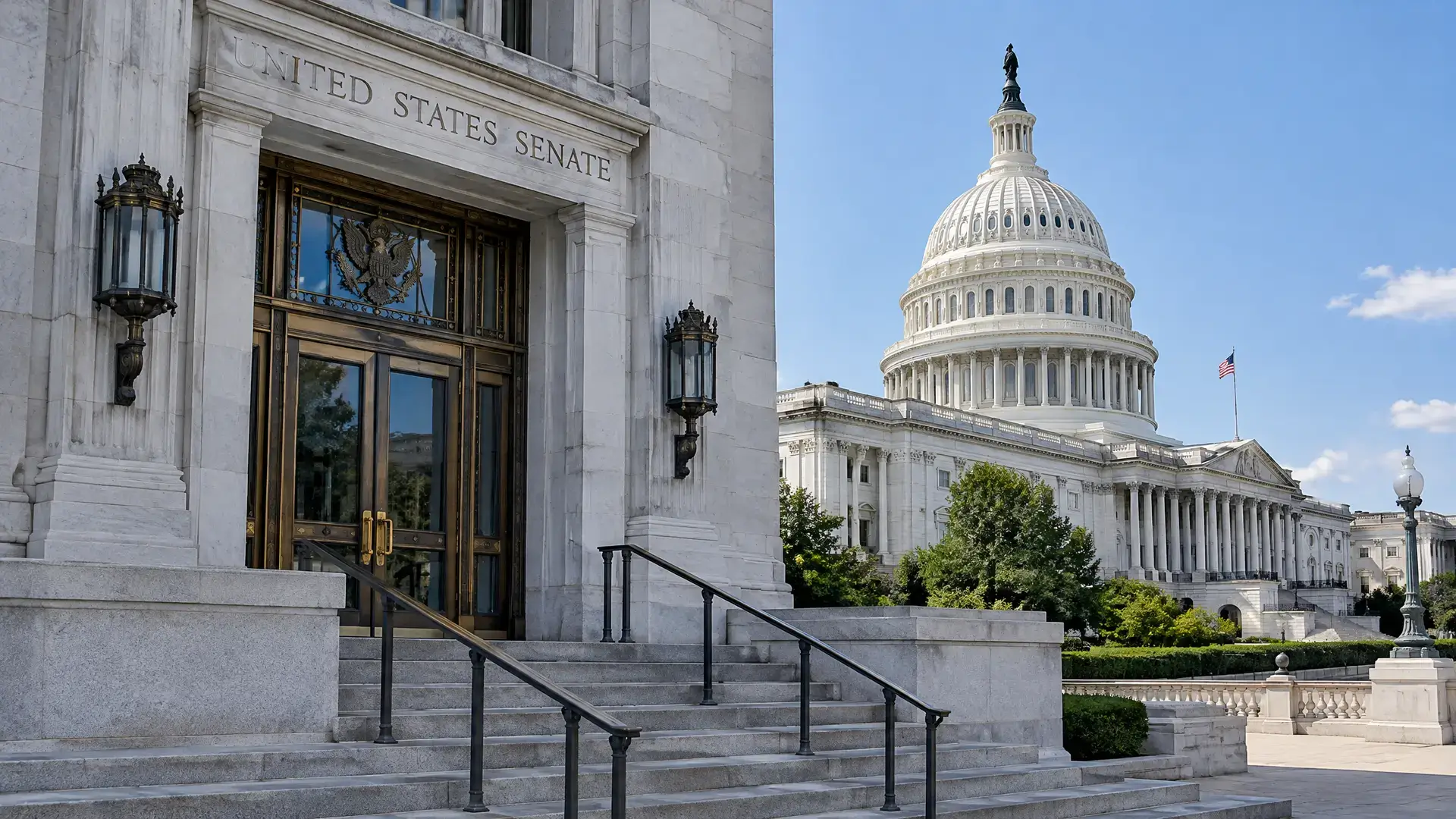
Clarity Act Nears a Critical Week in the U.S. Senate
The updated draft is expected to clarify how the SEC and CFTC divide oversight, while putting more emphasis on consumer protection and DeFi. In the Senate, though, Democratic support remains the biggest obstacle.
Key Takeaways
- The crypto Clarity Act is entering a critical stretch and could get a new draft next week for Senate review.
- The latest text from the Senate Banking and Agriculture committees adds more than 70 pages and gives consumer protection a bigger role.
- Democrats are still needed to reach 60 votes, while ethics rules, oversight questions, and DeFi language remain unresolved.
The U.S. Clarity Act for crypto regulation is moving into a decisive phase. People familiar with the talks say a new draft could arrive as soon as next week, with the Senate possibly taking it up later this month. For the crypto market, that is a big deal because the bill is meant to spell out how the SEC and the CFTC divide responsibility, which could help bring more structure to the U.S. market.
New Text in the Works
The Digital Asset Market Clarity Act has only a few weeks left to clear the Senate before the political window for 2026 effectively closes. Even so, the process has not stalled. The Senate Banking and Agriculture committees have now folded their work into a new draft, and people involved say it includes more than 70 pages of added material.
This is more than a basic combination of earlier proposals. Negotiators have worked through the remaining open points, and sources say the Agriculture Committee made more changes than Banking. The revised text is also expected to place greater emphasis on consumer protection, which has become a bigger part of the negotiations.
Democratic Support Remains the Sticking Point
Even with that progress, the hardest part is still ahead. The bill needs Democratic votes to reach the Senate’s 60-vote threshold, and those votes are not locked in yet. One of the main sticking points is a push to bar senior government officials, including the president, from maintaining business ties to the crypto industry. Without a deal on those ethics rules, several senators have already said they will not back a final version.
There are still other unresolved issues as well, including federal preemption and filling vacancies at the SEC and CFTC. On Thursday, the White House also sent a letter to Senate leaders John Thune and Chuck Schumer, saying Democrats had not yet submitted names for the minority slots at those agencies.
What This Means for DeFi
For DeFi, the key issue is that the talks are not only about oversight, but also about how much legal room developers and peer-to-peer activity should have. Senator Ron Wyden said in a letter that he supports the earlier framework for developers, including the Blockchain Regulatory Certainty Act, which is designed to keep crypto developers from being treated as money transmitters by default if they do not control customer assets. For readers in Europe, the outcome could still matter because it may help define how the U.S. separates software, infrastructure, and regulated financial activity.
The next few weeks will be crucial. The Senate still has three weeks left in July and the first week of August, but even a fast-moving process takes time. After that, the House of Representatives would still need to sign off, and the politics there remain stuck as well.