Clarity Act Stalls in Senate After Crucial Vote
The bill was meant to clarify the roles of the SEC and CFTC, but it fell short of the 60 votes needed. The industry is now waiting on separate rules and new SEC and CFTC proposals.
Key Takeaways
- The Digital Asset Market Clarity Act failed to clear a crucial procedural vote in the U.S. Senate on Tuesday.
- The bill was meant to more clearly define the roles of the SEC and CFTC for crypto and blockchain projects.
- After the vote failed, the industry is turning its attention to new rules from the SEC and CFTC.
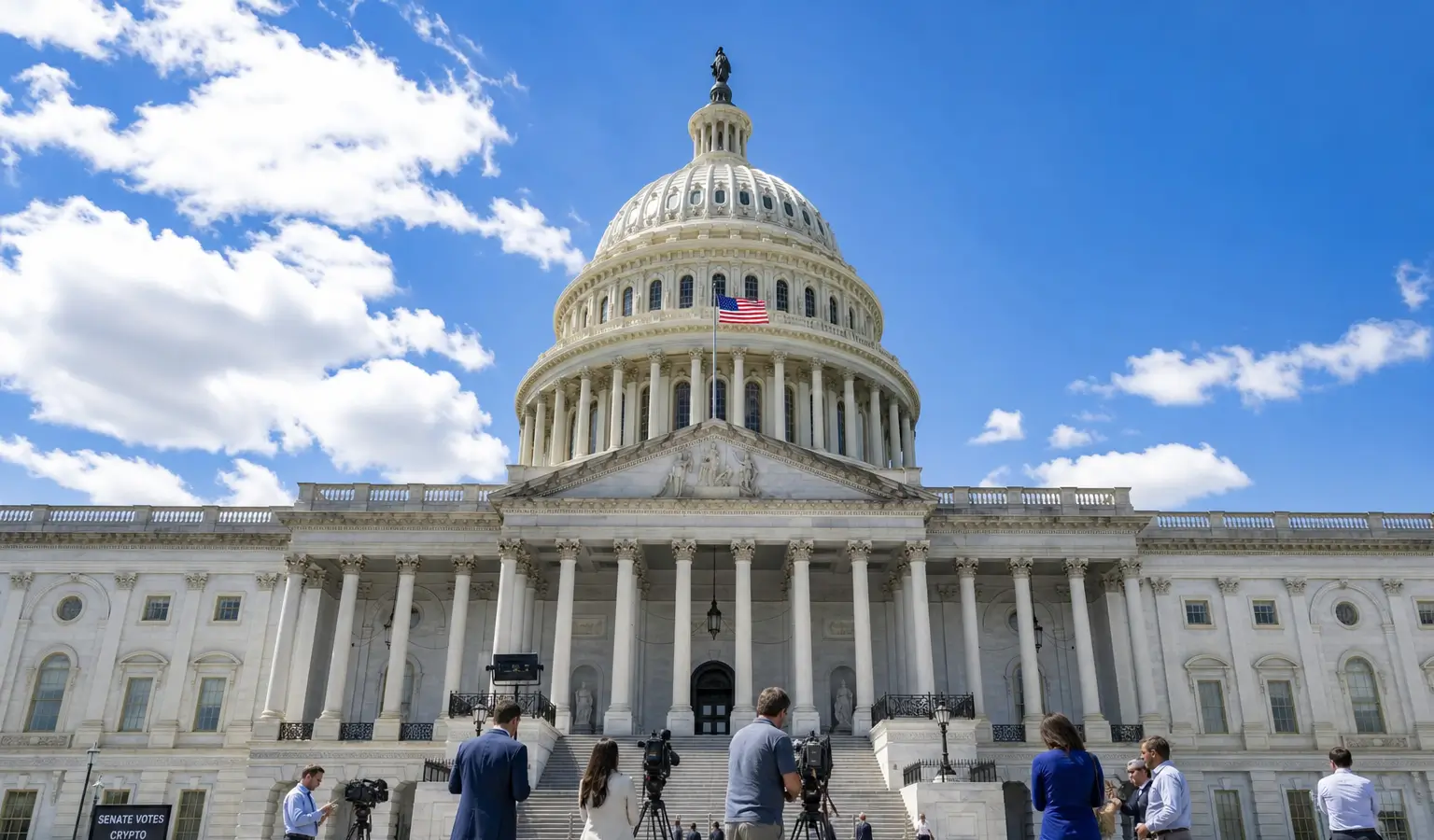
The Digital Asset Market Clarity Act failed to clear a crucial procedural vote in the U.S. Senate on Tuesday. That brought the main legislative push for a clear market structure for crypto in the U.S. to a halt, despite years of lobbying and political pressure from the industry.
Bill Stalled at 60 Votes
According to the unofficial tally, the bill did not come close to the 60 votes needed to move forward. That is a major setback for a law that was specifically meant to finally make clear which rules apply to different kinds of crypto and blockchain projects.
Negotiators from both parties had worked out more than 600 pages of compromises. Still, the final pieces, including ethical provisions about top officials' business ties to crypto, proved too sensitive to bridge. As the vote got closer to the election, the political pressure grew.
What the Bill Was Supposed to Do
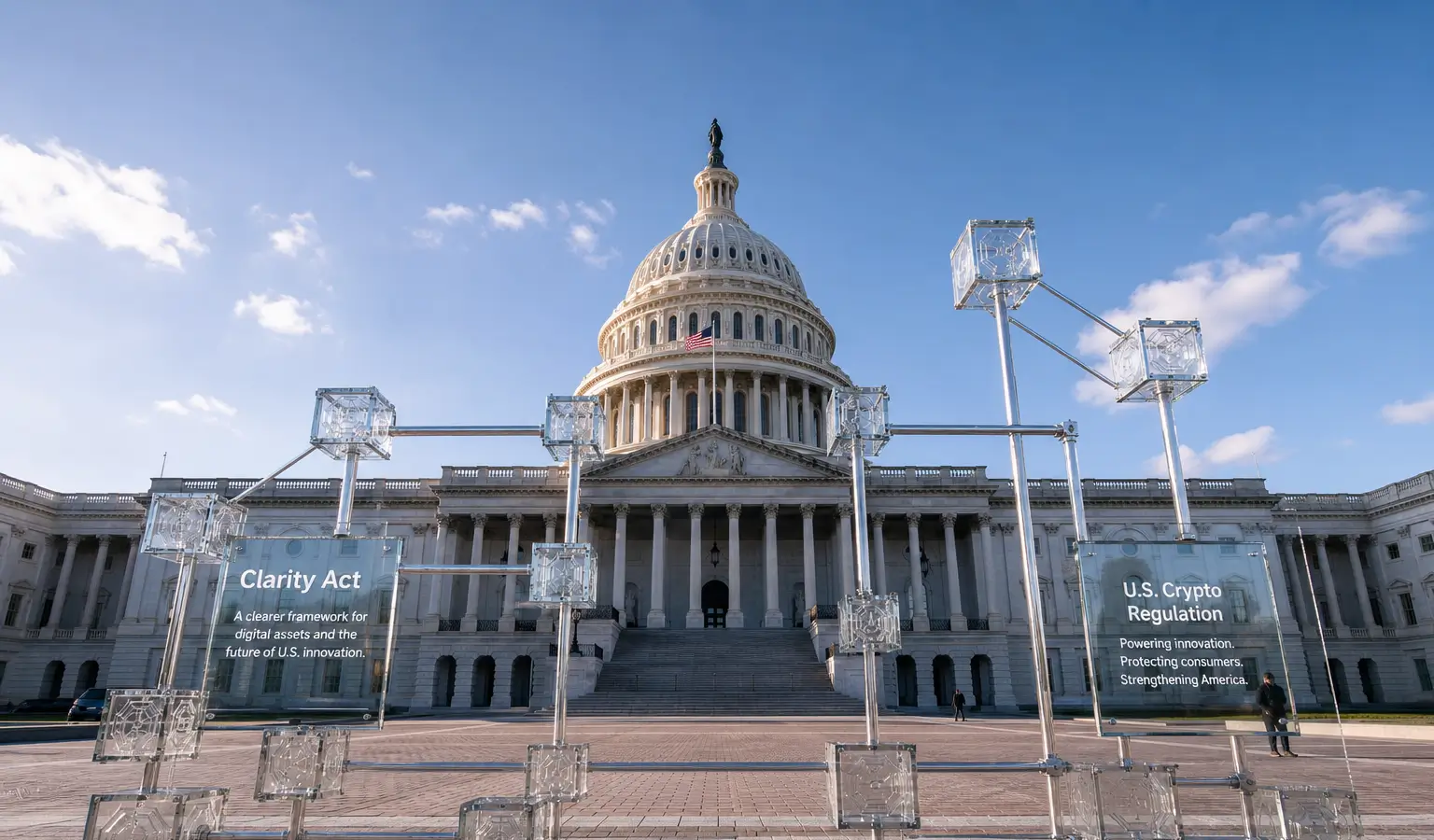
The Clarity Act was designed to sharpen the roles of the SEC and the CFTC. At its core, the bill was supposed to make clear which regulator would oversee which part of the crypto market, including new responsibilities for the CFTC around spot crypto markets.
That clarity matters to many companies and investors because the U.S. regulators are still mostly working with separate guidelines and proposals that can later be rolled back. SEC Chair Paul Atkins had already said earlier that new crypto exemptions without a law behind them are not sustainable.
What This Means for the Industry
The industry will now mostly be watching the regulators themselves. The SEC and the CFTC are already working on their own rules, including the SEC's first major crypto proposal, Reg Crypto, and a cautious step toward tokenization of securities.
For European crypto readers, this matters because the U.S. still plays a huge role in the global crypto market. If the world's biggest economy does not get a stable legal framework, that could keep shaping the debate over regulation, market structure, and the role of regulators outside the U.S. as well. At the same time, there is one difference when it comes to stablecoins: the GENIUS Act was already passed earlier in 2025 and is now being worked out by regulators. That means the broader market structure debate will continue too, as in our earlier analysis of CFTC plans if the Clarity Act stalls.