Former Swift Executive Campos Becomes Chairman at OpenTrade
The former Swift executive is set to help OpenTrade grow as demand for stablecoin yield rises among fintechs, exchanges, and wallets.
Key Takeaways
- Lazaro Campos, the former CEO of Swift, has been appointed chairman of OpenTrade.
- OpenTrade offers stablecoin yield to fintechs, exchanges, and crypto wallets and raised $17 million nearly six months ago.
- The company processed more than $1 billion in transactions over 12 months and has $300 million in total value locked.
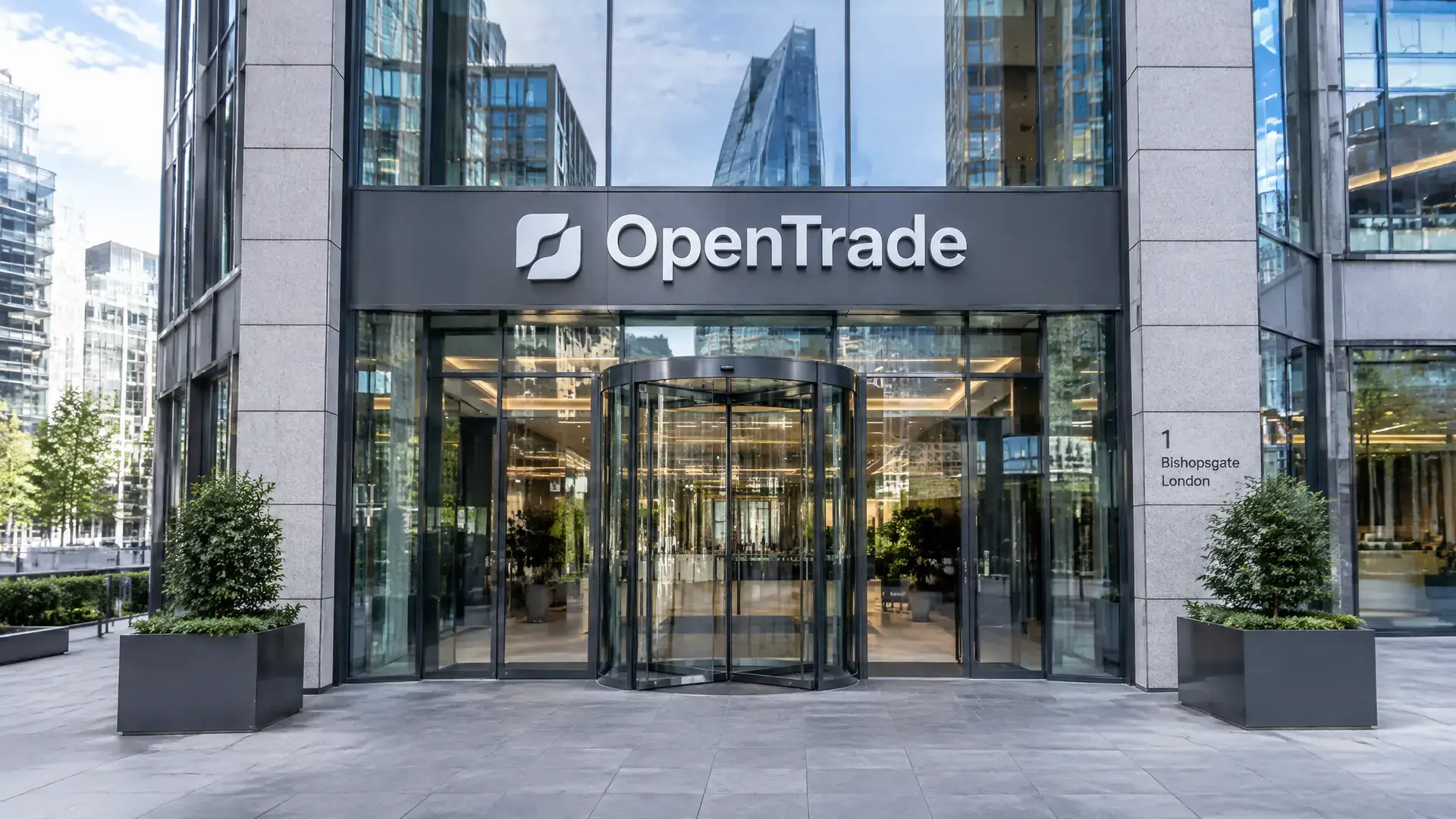
Lazaro Campos, the former CEO of Swift, has been appointed chairman of OpenTrade, a London-based crypto company that offers stablecoin yield to fintechs, exchanges, and crypto wallets. The appointment comes nearly six months after the company raised $17 million (€15.3 million) and at a time when demand for products around stablecoins continues to grow.
New Role for Former Swift Executive
Campos brings a lot of experience from traditional payment infrastructure. He led Swift, the global messaging network for banks, and previously also served on boards at the Bank of England's infrastructure and the digital bank Starling. According to OpenTrade, that background should help now that more financial firms are using stablecoins in their services.
Campos said that, in his view, stablecoins are the next step in the infrastructure that moves money, and that yield makes them more useful for businesses and their customers. OpenTrade founder and CEO David Sutter expects Campos to support the expansion of the company's services as the stablecoin market is used more broadly.
Growth in Stablecoin Yield
OpenTrade said it processed more than $1 billion (€0.9 billion) in transactions over the past 12 months and now has $300 million (€269 million) in total value locked. In May, at the funding round, that was still above $200 million (€180 million) in locked value and $250 million (€225 million) in transactions over the previous year. The company, founded in 2023, offers infrastructure that lets businesses provide dollar and euro yield, backed by real-world assets, without having to build an investment system themselves.
The timing fits into a broader shift in the crypto market. Yield-bearing stablecoins have grown strongly over the past two years, while stablecoins without yield have increased much more slowly. The U.S. market has also changed since the GENIUS Act in July 2025 banned stablecoin issuers from paying direct yield to holders, which brought more attention to yield-bearing stablecoins. That lines up with the broader rise of business use cases, such as the use of stablecoins among companies and banks, where cross-border payments and integration into existing workflows are central.
Why This Matters
For European crypto readers, this is especially relevant because stablecoins are increasingly being tied to concrete financial services instead of just trading and payments. If firms like OpenTrade attract more traditional executives, it could be a sign that the sector is moving further toward institutional use. That also makes the stablecoin yield market more important for fintechs, exchanges, and crypto wallet providers in Europe.