Few and Far Founder Charged Over Misuse of $10 Million
Tarsha is accused of misleading SAFT investors while millions went to gambling, crypto trading, and personal expenses. The case puts token fundraising and oversight of NFT projects under pressure again.
Key Takeaways
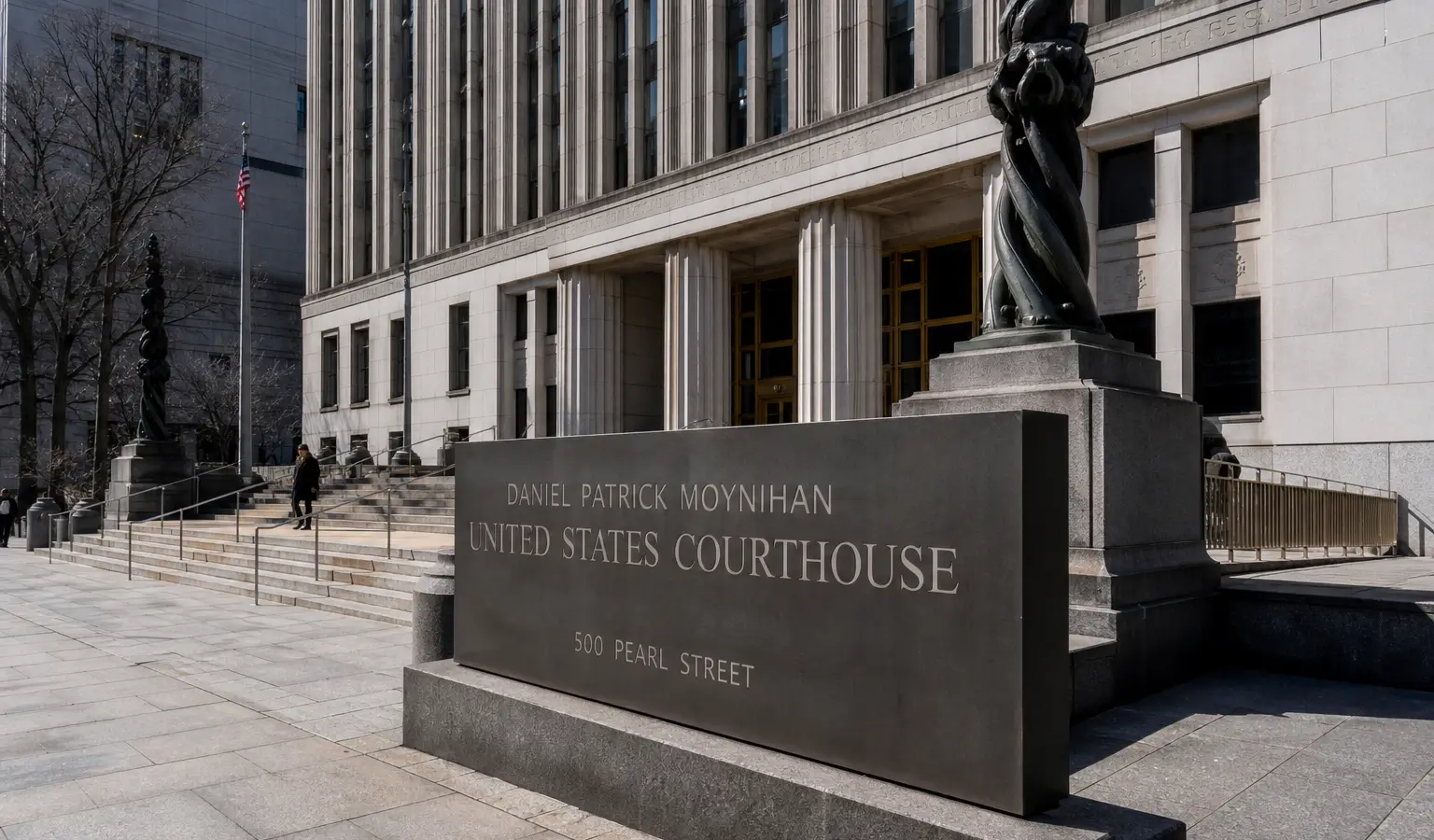
- Federal prosecutors in Manhattan have charged Taj Tarsha, the founder of Few and Far, with securities fraud and wire fraud.
- He allegedly used more than $10 million in investor money for online gambling, crypto speculation, and personal expenses.
- Tarsha raised money through SAFTs to develop the Few and Far NFT marketplace and could face up to 20 years in prison on each count.
Federal prosecutors in Manhattan have charged Taj Tarsha, the founder of the NFT startup Few and Far, with securities fraud and wire fraud. Prosecutors say he allegedly steered more than $10 million (€8.7 million) in investor funds toward online gambling, crypto speculation, and personal spending, even though the money was supposed to support the marketplace.
Money Raised Through SAFTs
Tarsha began raising funds in February 2022 from at least 67 investors through Simple Agreements for Future Tokens, or SAFTs. The structure gives backers the right to receive tokens once they are issued. In this case, those rights were tied to 95 million FAR tokens connected to the planned development of Few and Far's decentralized NFT marketplace.
That kind of setup is familiar in crypto. SAFTs were introduced in 2017 as a way for blockchain projects to raise money before a network is fully live, but the model later drew close scrutiny from regulators, including after the Telegram case in 2020. The biggest concern is that the legal footing for these token sale structures is often uncertain.
Prosecutors Outline the Alleged Misleading Conduct
According to the U.S. prosecutors, Tarsha started misusing the funds almost as soon as the financing round ended. They say he gave investors false updates about bonuses that were supposed to depend on token presale milestones, while claiming company money was being used to advance the project.
The indictment says the opposite happened. Prosecutors allege he laid off most of the staff and instructed a contractor to make the marketplace appear operational. The money was also allegedly spent on a loan for a Miami condominium, interior work, and costs related to his DJ hobby.
Why This Matters
The case is a reminder of how fast token fundraising can turn into a fraud probe, especially when a project takes in money before it has a working product. For European crypto readers, that is relevant because similar structures exist outside the U.S. too, while regulators are paying closer attention to the gap between project funding and how investor money is actually used.
Few and Far launched the FAR token in May 2024, but prosecutors say it quickly became essentially worthless and stopped trading. Tarsha was arrested on June 6, and the case is now before Judge Lewis A. Kaplan. If he is convicted, each charge could carry a sentence of up to 20 years in prison.