France Wants to Tax Crypto Swaps Into Stablecoins
The proposal also affects stablecoins under MiCA and could push users toward DeFi or self-hosted wallets. France is still discussing the measure in the 2027 budget.
Key Takeaways
- France wants to tax swaps from crypto into EU-regulated stablecoins starting in 2027.
- Chainalysis warns the measure could push users toward DeFi and self-hosted wallets instead.
- On top of this proposal, there are also plans for mandatory reporting of large wallets and an expanded exit tax.
France wants to start taxing swaps from crypto into EU-regulated stablecoins in 2027. According to Chainalysis, that could push investors toward alternatives outside the MiCA rules, even though the country already charges a flat 31.4% tax on crypto gains when people cash out or spend them.
Tax on Stablecoin Swaps
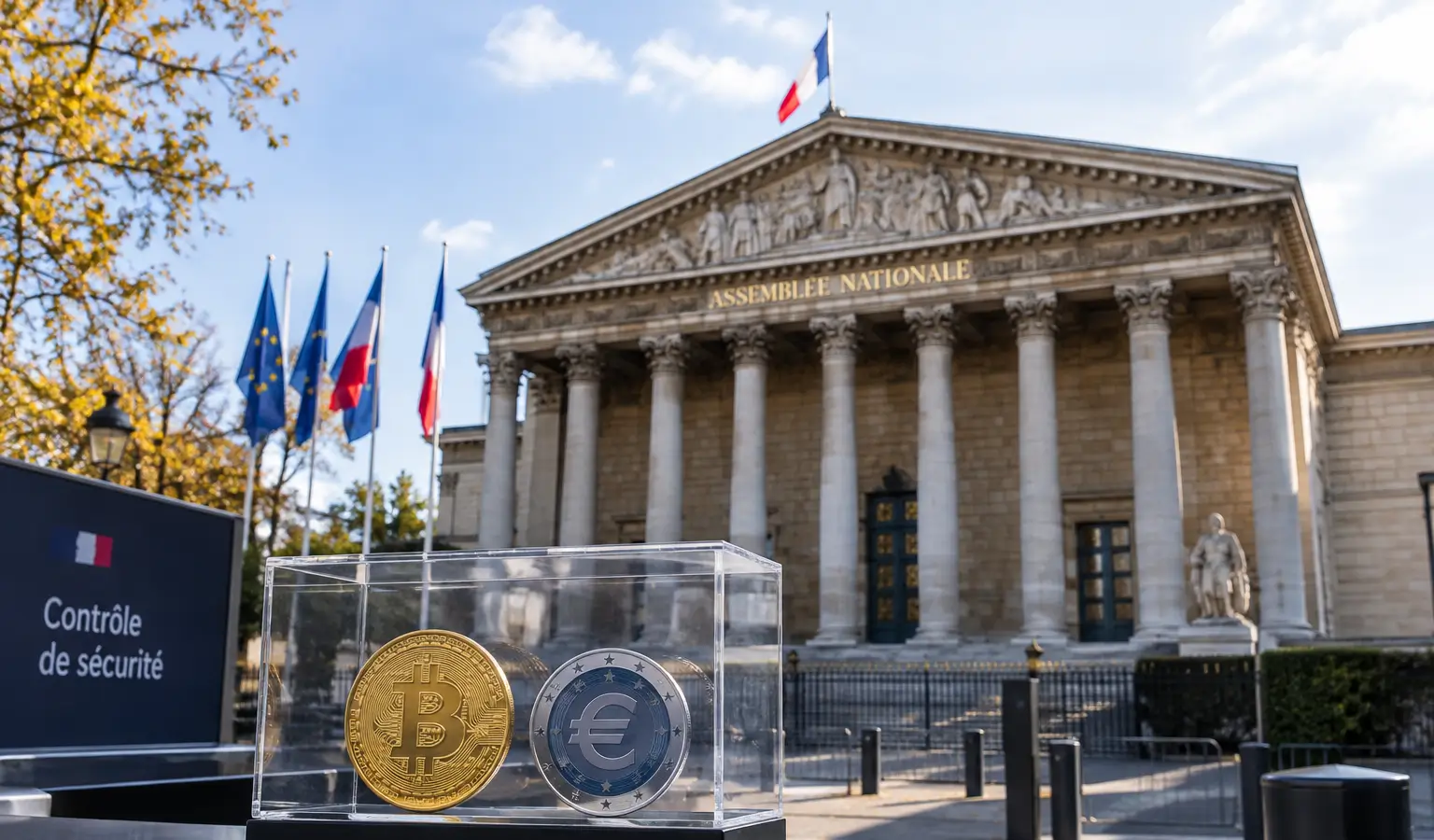
French lawmakers included a proposal in the 2027 budget. An amendment adopted on October 7 by the National Assembly's finance committee would make it a taxable event when investors swap crypto like Bitcoin for stablecoins that count as electronic money tokens under EU rules.
In France, a crypto-to-crypto swap still generally does not trigger taxes right away. The new plan would carve out an exception for part of the stablecoin market, starting January 1, 2027. The government and parliament still need to keep working through the budget, and the proposals are not final yet.
Chainalysis France head Francois Volpoet warned that the measure could have the opposite effect of what the government wants. In his view, it is easier for authorities to track regulated stablecoin transactions than trading through DeFi platforms or self-hosted wallets. He also raised the question of whether the government wants more taxpayers to report, or whether it wants to charge a higher rate on a smaller and smaller base.
More Pressure on Wallets
Alongside the stablecoin measure, there is another proposal on the table. It would require French taxpayers to report self-hosted crypto wallets holding at least €100,000, with fines of up to $11,600 (€10,400) for not complying. The committee also backed an expansion of the exit tax to crypto holdings of about $900,000 (€804,400), which would put unrealized gains under the same rules as wealthy shareholders who move away.
Volpoet also pointed to the security risks around these kinds of reports. France has recently seen several physical attacks on crypto holders, and according to the figures cited, a large share of global incidents took place in Europe, with France accounting for the biggest share. That makes the debate over wallet reporting especially sensitive.
Why This Also Matters for Europe
The debate in France fits into a broader European trend where countries handle stablecoins and crypto taxes differently. MiCA was supposed to bring more consistency across the EU, but national tax rules can still lead to different behavior from country to country. For European crypto users, this shows how quickly a tax measure can affect the choice between regulated stablecoins, DeFi, and self-hosted storage.
Another amendment would allow crypto losses to be carried forward for up to 10 years, closer to how stocks are treated. At the same time, France's finance committee rejected the revenue side of the budget by 31 to 3, which means the crypto amendments have to be brought back for debate in the full National Assembly. A vote on the revenue side is scheduled for October 20.